


We’re a nation of dog lovers, with around one-in-three households including at least one four-legged friend.
By far the most popular pet in the UK, they make for wonderful companions, all the while improving both our mental and physical health - and that’s a scientific fact.
The army of dog owners continues to grow, with 221 different breeds of pedigree dog to choose from, alongside numerous crossbreeds.
Choosing the right breed is absolutely essential – for example opting for a small dog if you don’t have much room at home, or a hypoallergenic dog if you suffer from allergies.
There’s also always the option of adopting a dog from a dog shelter for a minimal fee - for example from the Dogs Trust.
There’s even academic guidance to seek out, with Psychologist Stanley Coren’s book ‘The Intelligence of Dogs’ ranking breeds by instincts the ability to adapt.
And one thing you might like to consider is that some breeds tend to stay healthier for longer, meaning your vet bills shouldn’t be too painful and your pet has a better chance of a pain-free and lengthy life.
Meanwhile others - including some of the most popular breeds - are prone to developing health problems.
Here are the 26 most - and least - naturally healthy breeds of dog.

13. Siberian Husky
Given they've been bred to pull sleds over long distances in sub-zero conditions, it's perhaps not surprising that a Siberian Husky will tend to remain healthy as a family pet. While some individual animals will suffer from eye and hip issues, they are unusual early in life. | Canva/Getty Images

14. Pug
Now we're moving into the pups that are sadly known to suffer from health issues. Pugs are brachycephalic dogs (flat-faced) meaning they are liable to develop health issues that others are not - particularly breathing problems. These bundles of fur can also have problems with dermatitis and eye infections. | Canva/Getty Images
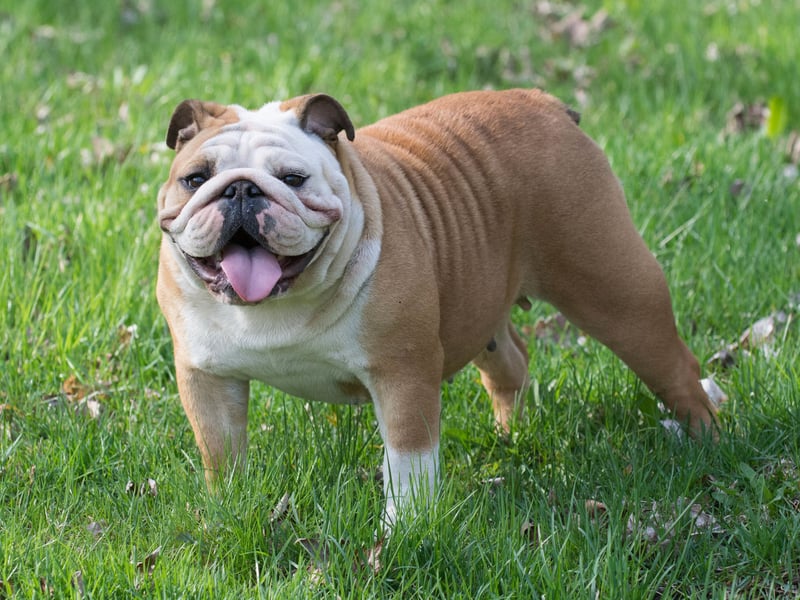
15. Bulldog
English Bulldogs struggle with the same flat-face issues as the smaller Pug (and their close cousins the French Bulldog). They also can become obese quite easily, can suffer from allergies and commonly get skin infections in their skin folds. | Canva/Getty Images

16. Labrador Retriever
Labrador Retriever The UK's favourite breed of dog comes with its own list of health issues to look out for. Sadly they develop cancer more often than other breeds, can suffer from elbow and shoulder dysplasia, as well as muscular dystrophy which attacks the muscles. Be careful of the amount your pet exercises too - Labs are prone to exercise-induced collapse if they get too excited. | Canva/Getty Images