


We’re a nation of dog lovers, with around one-in-three households including at least one four-legged friend.
By far the most popular pet in the UK, they make for wonderful companions, all the while improving both our mental and physical health - and that’s a scientific fact.
The army of dog owners continues to grow, with 221 different breeds of pedigree dog to choose from, alongside numerous crossbreeds.
Choosing the right breed is absolutely essential – for example opting for a small dog if you don’t have much room at home, or a hypoallergenic dog if you suffer from allergies.
There’s also always the option of adopting a dog from a dog shelter for a minimal fee - for example from the Dogs Trust.
There’s even academic guidance to seek out, with Psychologist Stanley Coren’s book ‘The Intelligence of Dogs’ ranking breeds by instincts the ability to adapt.
And one thing you might like to consider is that some breeds tend to stay healthier for longer, meaning your vet bills shouldn’t be too painful and your pet has a better chance of a pain-free and lengthy life.
Meanwhile others - including some of the most popular breeds - are prone to developing health problems.
Here are the 26 most - and least - naturally healthy breeds of dog.

17. Golden Retriever
What's true of the Labrador Retriever tends to also be the case with close cousin the Golden Retriever - and this extends to health issues. They are also prone to developing ichthyosis, a genetic skin condition. | Canva/Getty Images
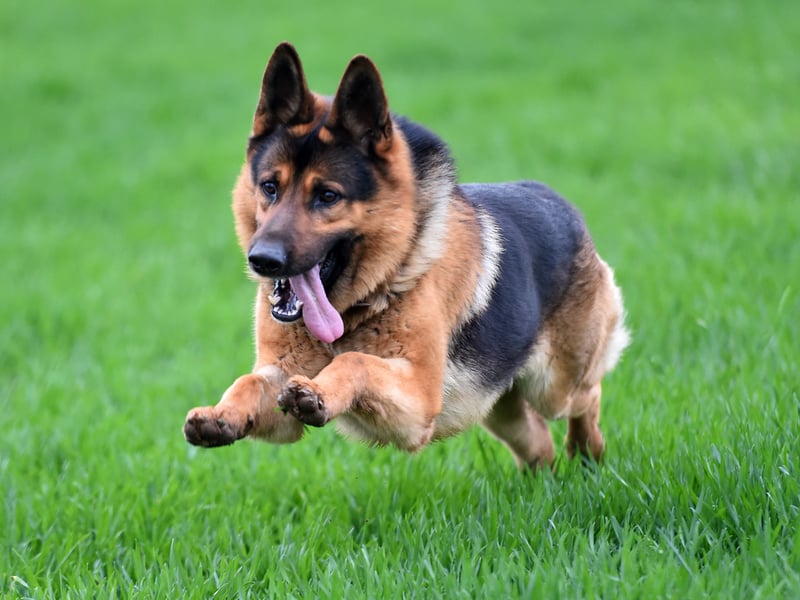
18. German Shepherd
Obtaining a German Shepherd from a good breeder should hopefully minimise the risk of getting a dog with hip dysplasia - a painful condition that affects puppies that can be prevented through careful screening. German Shepherds are also more likely to develop cataracts, cardiomyopathy, and skin allergies than most other breeds. | Canva/Getty Images

19. Basset Hound
Basset Hounds are utterly adorable but are prone to a range of joint issues, digestive issues including bloating and the serious blood clotting condition Von Willebrand. Taking out health insurance on this breed is essential and regular vet visits for checkups recommended. | Canva/Getty Images
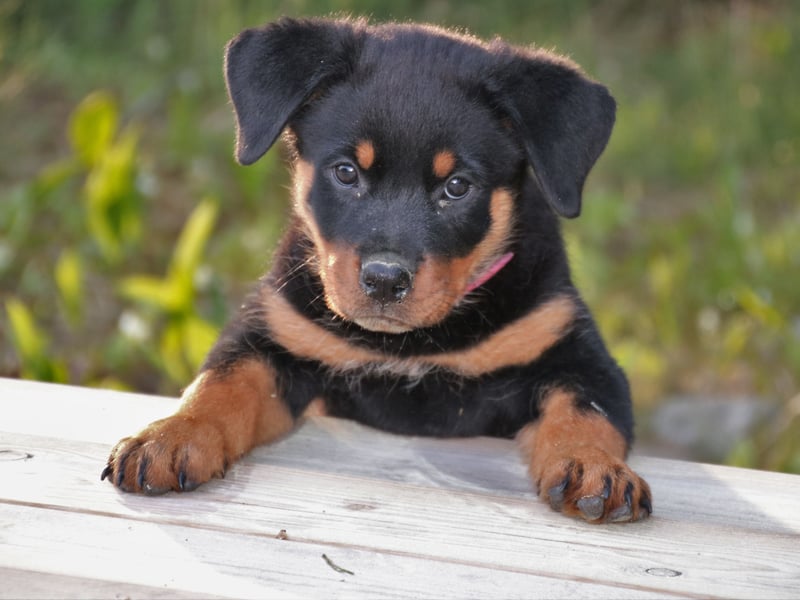
20. Rottweiler
Rottweilers are another breed predisposed to developing hip and elbow dysplasia so it's a good idea to keep an eye on how they are walking. This breed can also develop a degenerative bone disorder called osteochondrosis, arthritis, epilepsy and bone cancer. | Canva/Getty Images