


We’re a nation of dog lovers, with around one-in-three households including at least one four-legged friend.
By far the most popular pet in the UK, they make for wonderful companions, all the while improving both our mental and physical health - and that’s a scientific fact.
The army of dog owners continues to grow, with 221 different breeds of pedigree dog to choose from, alongside numerous crossbreeds.
Choosing the right breed is absolutely essential – for example opting for a small dog if you don’t have much room at home, or a hypoallergenic dog if you suffer from allergies.
There’s also always the option of adopting a dog from a dog shelter for a minimal fee - for example from the Dogs Trust.
There’s even academic guidance to seek out, with Psychologist Stanley Coren’s book ‘The Intelligence of Dogs’ ranking breeds by instincts the ability to adapt.
And one thing you might like to consider is that some breeds tend to stay healthier for longer, meaning your vet bills shouldn’t be too painful and your pet has a better chance of a pain-free and lengthy life.
Meanwhile others - including some of the most popular breeds - are prone to developing health problems.
Here are the 26 most - and least - naturally healthy breeds of dog.

9. Basenji
A breed of Central African origin, the Basenji is famous for being a dog that doesn't bark - it makes a slightly odd yodelling noise instead. Bred to hunt prey, as long as they get enough exercise they have no real predisposition to developing any health problems. | Canva/Getty Images
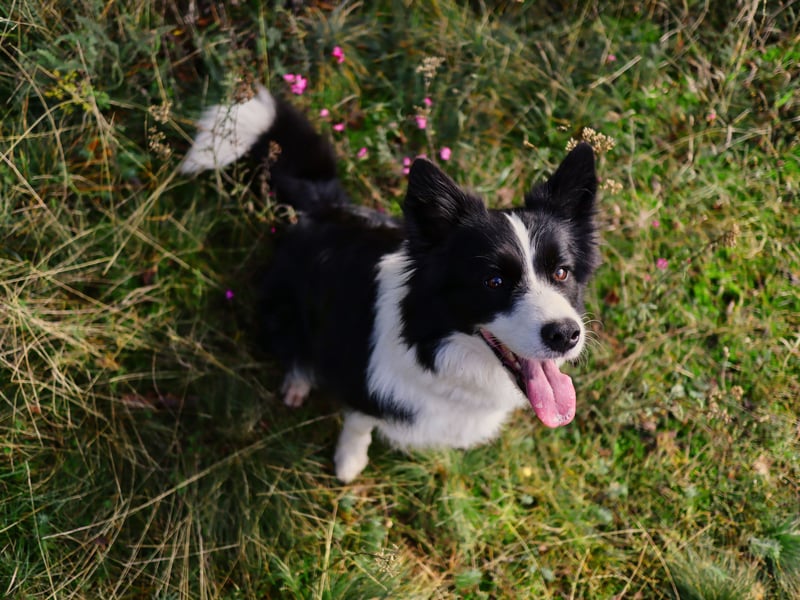
10. Border Collie
The lively and loveable Border Collie used to suffer frem several genetic conditions but DNA testing by breeders has helped eliminate many of them, meaning they tend to now be one of the healthiest breeds. Deafness and epilepsy are the two most common conditions to still affect the world's most intelligent breed of dog. | Canva/Getty Images
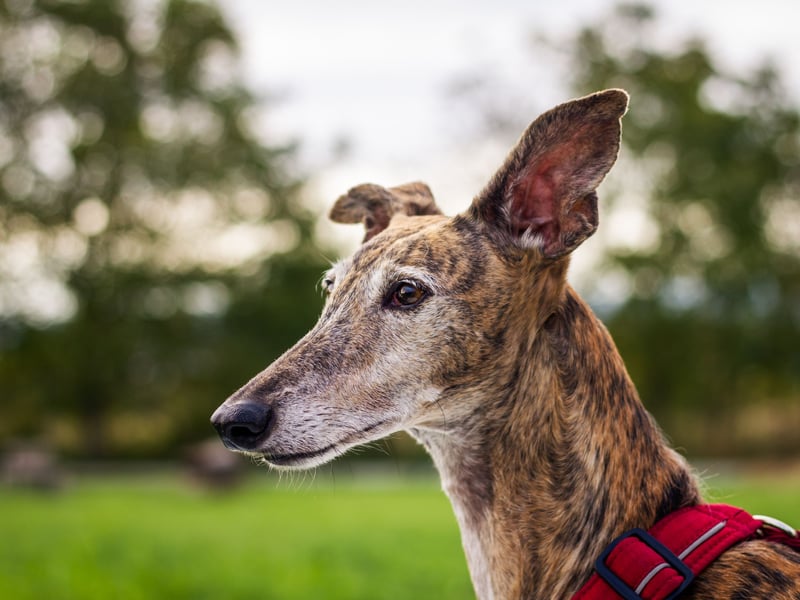
11. Greyhound
Fast, lazy and healthy are the three dominant traits of Greyhounds. The general rule is the larger the greyhound, the more likely they are to develop muskoskeletal conditions - so Italian Greyhounds are more likely to need a vet visit - but in general they stay in tip-top condition until they get old. | Canva/Getty Images
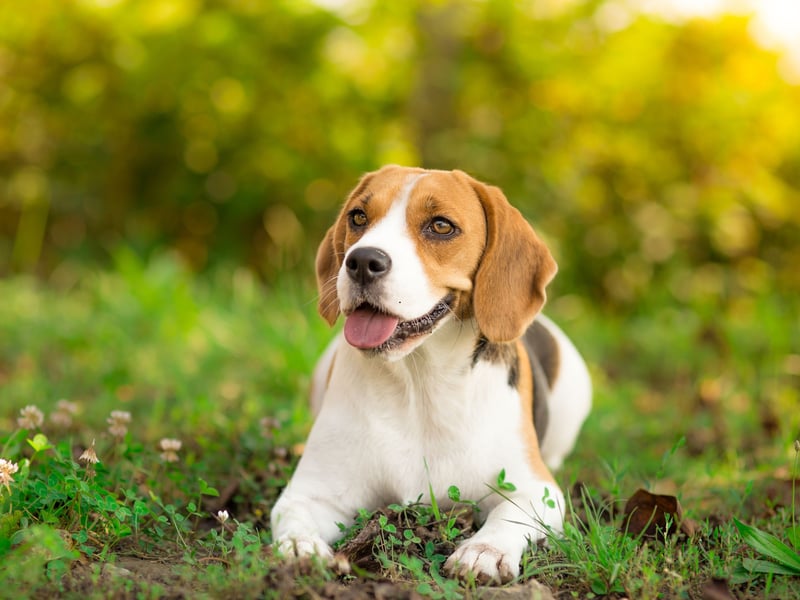
12. Beagle
Developed primarily for hunting animals, the Beagle is now a popular pet with a keen sense of smell - they'll still happily follow scent trails for miles. It's a breed that tends to stay healthy, with eye and hip problems only developing in elderly pooches. | Canva/Getty Images