
Eight SNP conference motions to watch: From independence to Israel and facial recognition
John Swinney faces a crunch test of his independence strategy with SNP members this weekend.

This weekend’s SNP conference in Aberdeen will give First Minister John Swinney a platform to launch his bid to keep hold of power next year. But the proceedings will also be used by party activists to debate a host of controversial issues.
From Mr Swinney attempting to win support for his independence strategy to calling on ministers to embed “mandatory civic knowledge” into Scottish education to banning police use of facial recognition technology in Scotland, The Scotsman takes a look at the contentious motions and resolutions to be debated at the SNP conference.
Independence


John Swinney’s independence strategy needs the approval of SNP members and he’s under pressure to win support of grassroot activists, given progress to break up the Union has ground to a halt.
His resolution to SNP conference, to be debated on Saturday, states that any route to independence must be “agreed, democratic, constitutional and legal so that our nation gains recognition both at home and abroad”. This comes amid calls from a minority for a de-facto or wildcard referendum to be held.
READ MORE: John Swinney: Scotland is reaching the limits of devolution, as final independence paper released
If agreed, the SNP will pursue “an ambitious, aspirational case for independence” and the “immediate establishment of a Scottish Constitutional Convention in order to marshal support for Scotland’s right to decide”.
But a so-called rebel amendment, to be put to party members, risks derailing Mr Swinney’s strategy. That amendment calls for “consideration” to fight May’s Holyrood election “as a de-facto referendum on independence”, stating that “a majority at that election for the SNP - or the SNP and any other party with which we have reached a pro-independence agreement - will be considered a mandate to negotiate independence”.
Immigration

The SNP has not wavered from its stance of being a pro-immigration party, consistently making the case for more workers to come to Scotland from overseas and better protecting refugees and asylum seekers.
A conference resolution by MSPs Clare Haughey and Emma Harper calls on the Labour UK government to end the “ban on health and care workers bringing their families to the UK and devolve powers over immigration to Scotland”.
A separate resolution by the Glasgow Provan SNP branch calls for the Scottish Government's “integration from day one” principle for asylum seekers to be rolled out across the UK, which would signal an end to the controversial no recourse to public funds policy and “allowing people in the asylum system to work” once again.
Voter education in schools
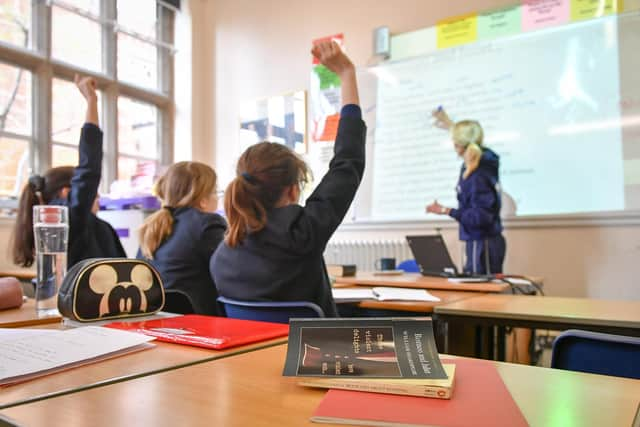
In response to “voter apathy”, a resolution warns that “if Scotland is to sustain a politically engaged society, we must deliver rigorous civic education that equips young people with the knowledge, values and behaviours required to participate effectively in public life”.
To do this, the motion calls for politicians to work with education specialists to “embed a mandatory civic-knowledge strand into the existing Personal and Social Education (PSE) curriculum”, which would include “hands-on practice through mock ballots, school-based youth parliaments and direct engagement with decision makers from across the political spectrum”.
Tackling online disinformation

A resolution will highlight the exposure of young people to “conspiracy theories, manipulated media, algorithmic echo chambers, and targeted disinformation campaigns” online. It also “calls on the Scottish Government to develop a long-term, co-ordinated strategy” with the intention of building “resilience against online falsehoods”.
The motion adds the blueprint “must embed digital and media literacy across the curriculum from an early age”, pointing to Finland as an example.
If agreed, the SNP will call for “greater transparency and accountability from digital platforms” and will recommend supporting research into “the impact of misinformation on young people’s mental health, learning, and civic engagement”.
Banning police use of facial recognition
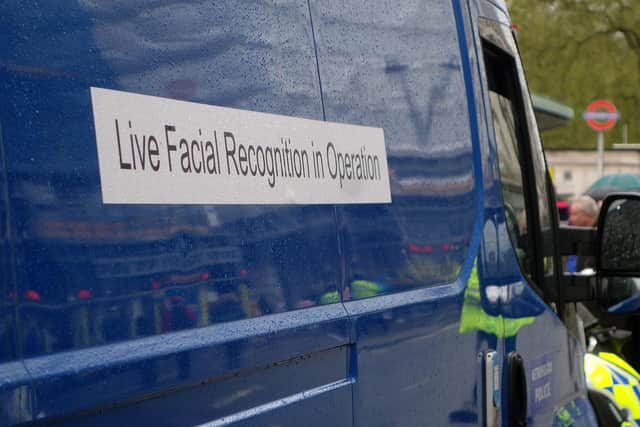
In August, Police Scotland confirmed the force was pressing ahead with examining the case for introducing the use of facial recognition technology.
But a resolution at SNP conference would commit the party to support a position that “police use of live facial recognition technology should not be allowed in Scotland without primary legislation passed by the Scottish Parliament” and that “any legislation should be compatible with the Human Rights Act and the European Convention on Human Rights”.
Ending funding for arms firms supplying Israel

Last month, the First Minister pledged his Government would pause new awards of public money to arms companies supplying Israel, after pressure from the Scottish Greens.
A resolution to be considered at SNP conference over the weekend would commit the party to “suspend all public funding and support to arms companies that supply military equipment used by Israel in Gaza” as well as “ensure that no public funds in Scotland support companies complicit in the humanitarian crisis in Gaza”.
If agreed, the SNP would also back a move to “make rigorous human rights screening a core condition of all future public funding”.
Local access to ferries

The Shetland SNP branch has tabled a resolution called for the Scottish Government to alter its contract with Northlink Ferries to “reserve cabin and vehicle capacity” on the Aberdeen to Shetland service “for Shetland residents” during the peak summer season.
READ MORE: Glen Sannox: CalMac's newest ferry out of action for second time for repairs to crack in hull
The motion also calls for the SNP to “end seasonal ferry pricing by scrapping peak surcharges for island residents”.
Banning vaping adverts
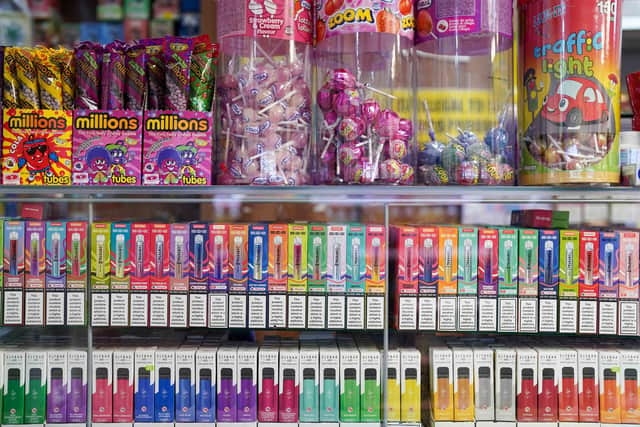
One resolution points to the success of a ban on tobacco advertising and “calls on the Scottish Government to examine the evidence for implementing a similar ban of the promotion and advertising of all vaping products”.
A bit of context for this one - the UK government’s Tobacco and Vapes Bill, which was designed alongside SNP ministers, will ban the advertising and sponsorship of vapes and nicotine products.
Comments
Want to join the conversation? Please or to comment on this article.