
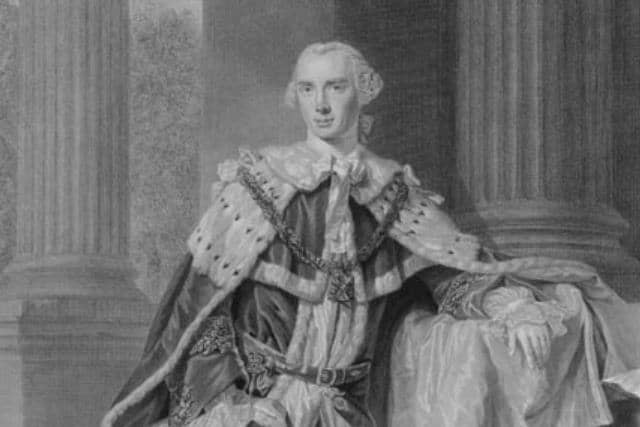


It may seem like it has been years since a Scot occupied 10 Downing Street - but over the decades dozens of Scots have made it to the rank of prime minister.
The very first Scottish prime minister was John Stuart, the 3rd Earl of Bute back in 1762.
Since then numerous politicians who were born or raised in Scotland, or represented Scottish constituencies, have followed in his footsteps, including wartime leaders, the first to appoint a female government minister, and the very first Labour prime minister.
The Scotsman takes a look at all the Scots to become prime minister, all the way back to the 18th century and through to Sir Tony Blair and Gordon Brown in the 21st century.
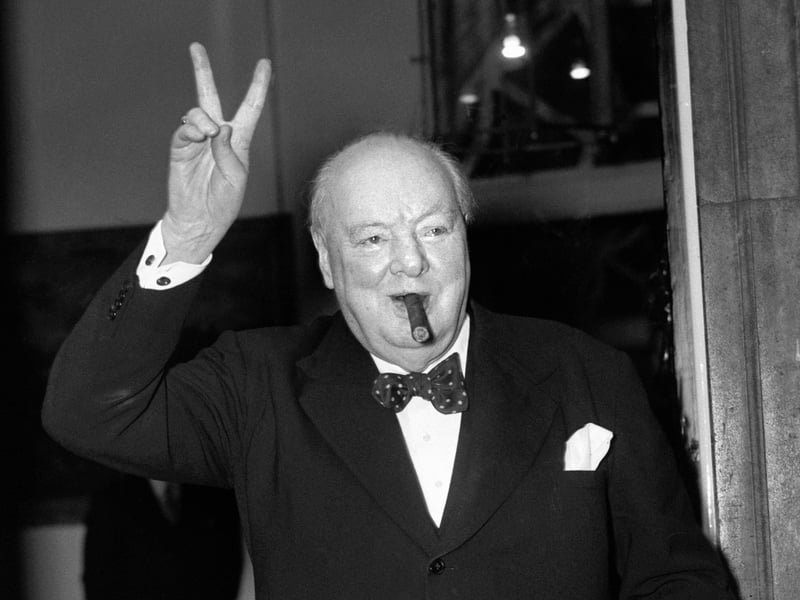
9. Sir Winston Churchill
Sir Winston Churchill was born in November 1874 in Blenheim Palace, Oxfordshire and was Conservative Prime Minister during World War Two. Before entering politics he joined the Royal Cavalry and worked as a journalist, and was first elected as the MP for Oldham in 1900. He defected to the Liberals in 1904, and was the MP for Dundee from 1908 to 1922 - during this time he was also first lord of the admiralty and after a disastrous Gallipoli campaign he resigned and travelled to the western front to fight himself. During the interwar years he crossed the floor again back to the Conservatives and became chancellor of the exchequer. He was out of office during the 1930s but spoke out in opposition of Indian independence and appeasement of Nazi Germany. Sir Winston was appointed Prime Minister of an all-party wartime coalition government in 1940 until 1945. He was also Prime Minister from 1951 until 1955 and during his two tenures he raised the school leaving age to 14 and was awarded the Nobel literature prize. Sir Winston died in London in January 1965 and was given a state funeral. | Press Association
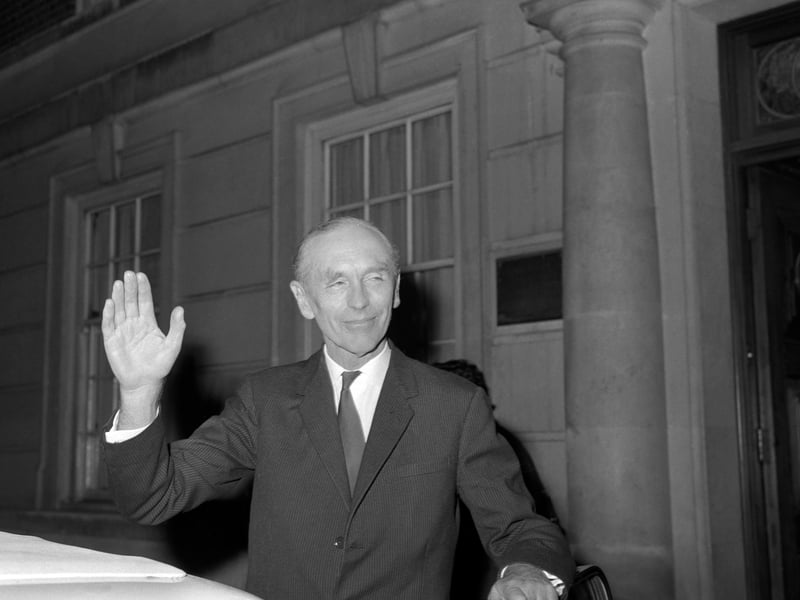
10. Sir Alec Douglas-Home
Sir Alec Douglas-Home was born in July 1903 in Mayfair, London and became the Scottish Unionist MP for Lanark in 1931. Aside from being Prime Minister, he was private secretary to Prime Minister Neville Chamberlain and foreign secretary. He lost his Commons seat in 1945 but took up a seat in the House of Lords as the 14th Earl of Home where he became Commonwealth secretary during the Suez Crisis, leader of the House of Lords, and lord president of the council. Sir Alec rejected his peerage in October 1963 and a month later became Conservative MP for Kinross and West Perthshire and Prime Minister. For two weeks he was Prime Minister but not a member of either the House of Commons or the House of Lords. He only served for 363 days, the second shortest in the 20th century - during his tenure US President John F Kennedy was assassinated. Sir Alec died in Berwickshire in October 1995. | Press Association
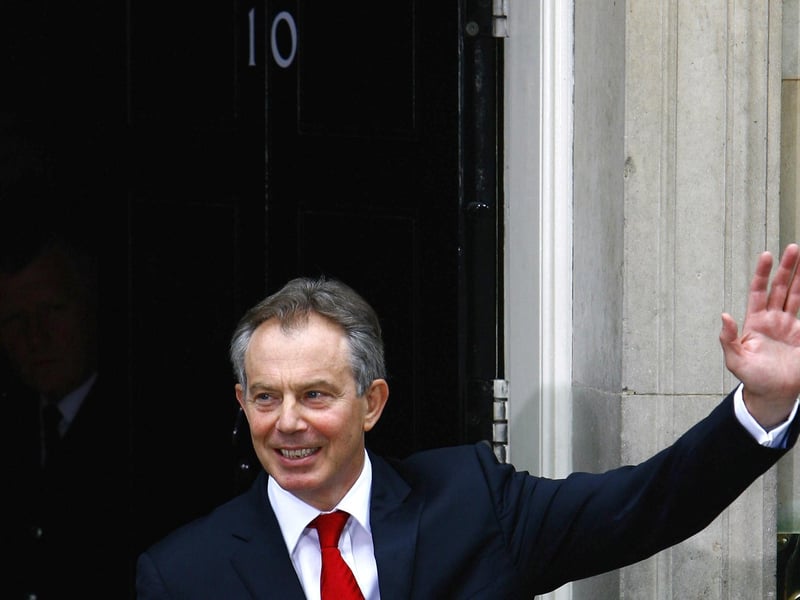
11. Sir Tony Blair
Sir Tony Blair was born in May 1953 in Edinburgh and attended Fettes College. He is the longest serving Labour Prime Minister, in office from 1997 to 2007. Sir Tony first became the MP for Sedgefield in 1983 and quickly went on to become shadow home secretary. In 1994 he was elected party leader and led the party to a landslide victory in 1997. During his tenure he oversaw Scottish and Welsh devolution, signed the Good Friday Agreement to bring peace to Northern Ireland, passed the Civil Partnership Act 2004, reformed the House of Lords and introduced the Human Rights Act. He allied with US President George W Bush in Afghanistan in 2001 over the 9/11 terrorist attacks and in the invasion of Iraq in 2003. Sir Tony resigned in 2007 after a Labour rebellion on his reluctance to criticise Israel in the Israel-Lebanon War and his continued support for President Bush. Photo: Jeff J Mitchell/Getty Images
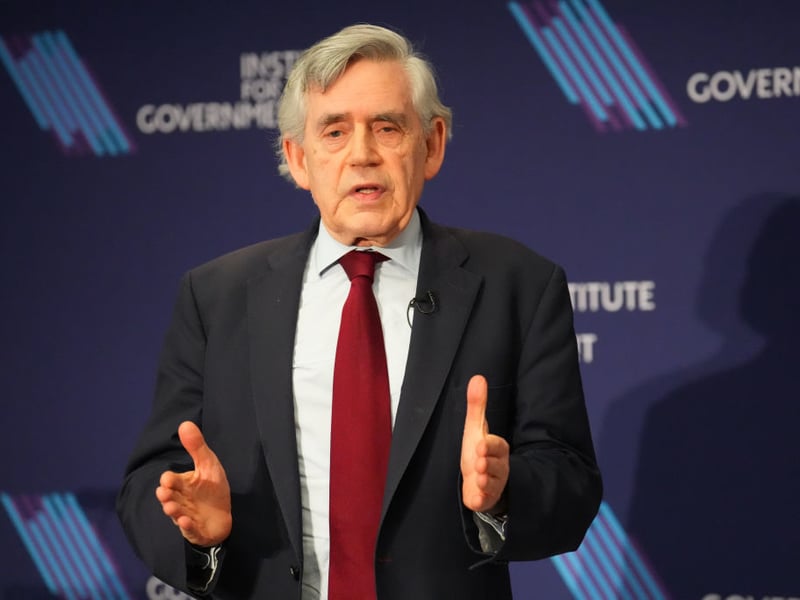
12. Gordon Brown
Gordon Brown was born in February 1951 in Giffnock and grew up in Kirkcaldy. He became the youngest fresher at Edinburgh University at the age of just 16 and the youngest rector of the university in 1972. Mr Brown was elected as the Labour MP for Dunfermline East in 1983 and is the longest serving chancellor of the exchequer, in office from 1997 to 2007. He became Prime Minister in 2007 as the MP for Kirkcaldy and Cowdenbeath and oversaw legislation on neighbourhood policing, cancer screening and treatment targets, climate change targets, counter-terrorism, and the devolution of policing and justice in Northern Ireland. During his tenure the UK ended combat operations in Iraq and saw the 2008 financial crash - he lost the 2010 election. | Getty Images