
Exclusive:North Sea oil and gas mergers ‘suppressing’ tax receipts as Treasury revenue poised to dwindle

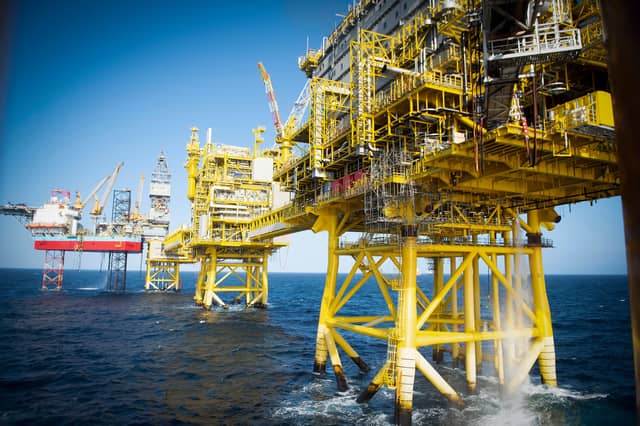

The North Sea oil and gas sector could contribute more funding to public finances if the Middle East conflict continues and keeps fossil fuel prices at a high level.
The UK’s economic forecaster has warned that North Sea oil and gas companies merging together is “suppressing” tax receipts and worsening its impact on the public purse by at least £1.3 billion.
The stark warning comes as tax revenues from North Sea oil and gas production are expected to fall from around £5.1bn this year to “close to zero” by 2031.
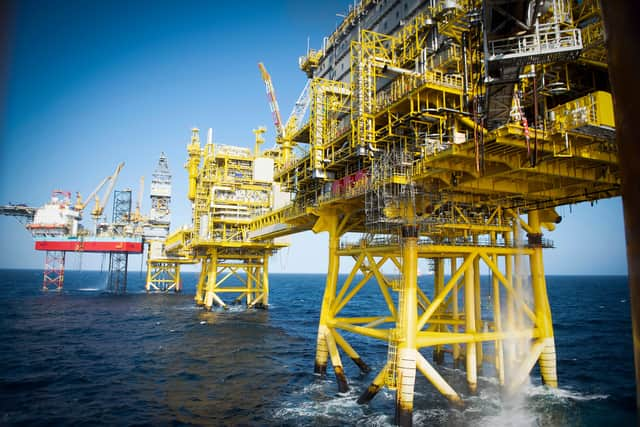
The offshore fossil fuels sector is pleading with the Labour UK government to grant environmental consent to the controversial Rosebank oil field project after it gave the green light for the Jackdaw gas development to go ahead.
Both those projects are being pushed forward by Adura, a merger between Shell and Equinor, the Norwegian state-owned company. Equinor was carrying an estimated £5.7bn of tax losses in the North Sea, as of last year. According to Equinor’s 2024 annual report it set aside £1.3bn of saleable tax assets that could be transferred to Adura and used to write off the company’s profits.
According to analysis commissioned by Adura, the company expects its tax revenues until 2035-36 to total between £2.5bn and £12.1bn, depending on policy choices made by the UK government.
The Adura partnership is the biggest North Sea oil and gas tie-up, but other companies have also merged in order to use losses to offset tax to the Treasury.
In its latest forecast, the OBR predicts that over the next five years, a total of £1.3bn will not be included in oil and gas receipts to the Treasury due to mergers, while an extra £800m could be lost in future mergers.
Tom Josephs, member of the OBR’s budget responsibility committee, warned that there will be “a very sharp decline in revenues from the sector”.

Mr Josephs said: “We are forecasting a very significant fall in revenues from oil and gas production. Currently it’s at a relatively elevated level because oil and gas prices are very high.
“So this year we expect revenue of around £5bn. But we expect it to fall to, really, close to zero by 2030-31. That is because based on market pricing, we’re expecting oil and gas prices to fall down, we’re expecting production to decline.”
He added: “It’s also the case that a lot of companies are able to use losses from the past to offset future tax liabilities.
“Because the sector is consolidating as it declines in size and companies are merging with smaller producers, that allows them to make use of these losses to offset against future profits to quite a considerable extent.
“It’s actually been suppressing receipts recently, compared to our previous expectations because that has been happening more than we realised it would.”
Tessa Khan, executive director of Uplift, argued that the North Sea oil and gas sector is “industry increasingly engineering its affairs to reduce its tax bill to a minimum”.

She added: “This is exacerbating the inevitable steep decline in tax revenue as the North Sea matures. It won’t be long, according to forecasts, before the tax take from the North Sea will be little more than a rounding error in Treasury budgets.
“The Chancellor might see a short-term boost to revenues while oil and gas prices are high but the flip side of this is unaffordable energy bills for the rest of us. What looks good on a Treasury spreadsheet is another winter of anxiety for millions of families wondering how they will afford to keep warm. There is no escaping this doom loop for as long as we encourage more drilling.”
Alex Kemp, professor of petroleum economics and director of the Aberdeen centre for research in energy economics and finance at Aberdeen University, told Scotland on Sunday, that the OBR’s projections are based on oil and gas prices declining sooner rather than later.
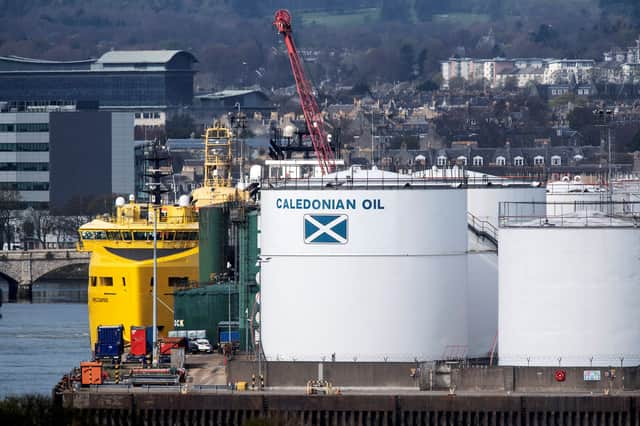
Gas prices are currently more than $170 per barrel of oil equivalent, significant higher than they have traditionally been - with the OBR now anticipating prices remaining high until September 2029.
Professor Kemp said: “The gas price is much, much higher than historically it has been and shows little sign of coming down.
READ MORE: SNP ministers were warned oil and gas slump driving renewables investment out of Scotland
“If all goes well in terms of no more wars in the Middle East, then they will come down”, Professor Kemp said.
“The OBR has made brave projections on the revenues on production and regarding oil and gas prices.
“If I were doing it, I would have another scenario where gas prices and oil prices held up for a few more years. We can’t be sure there won’t be any further fighting in the Middle East and disruption to supplies.
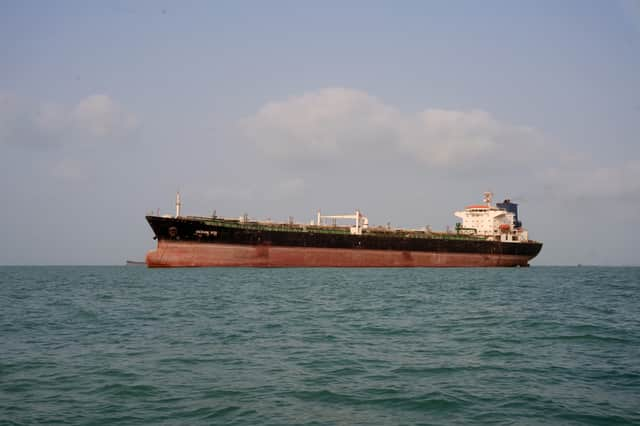
“My view is that the OBR has made reasoned projections but it doesn’t incorporate the uncertainties which will likely be with us for the rest of the Budget period.”
Professor Kemp also acknowledged “the OBR has latched onto consolidation”, as oil and gas companies merge.
He said: “The logic is that there is consolidation going on now - companies are selling out. BP has set its assets up for sale as an example. The buyer, in deciding how much to pay, will look at the assets but they will look at the tax position of the seller.
“If the seller has unused tax allowances, they may be able to take advantage of them because for corporation tax in the North Sea, you can add all the fields together and you could accelerate the rate of tax allowances. The OBR is showing that the effect could be quite significant and I wouldn’t disagree with that.”
Enrique Cornejo, policy director at OEUK, said: “The UK’s accelerated decline in oil and gas production and associated tax revenues is not inevitable.
“OEUK has demonstrated to the government that the UK continental shelf has the resources and potential to sustain production at around 1 million barrels of oil equivalent per day for years to come, rather than accepting an accelerated decline.
“The principal barrier to unlocking this potential is the current fiscal and regulatory environment, not mergers and acquisitions. The lack of a competitive and stable regime that is undermining investment and bringing forward production decline.”
Comments
Want to join the conversation? Please or to comment on this article.