
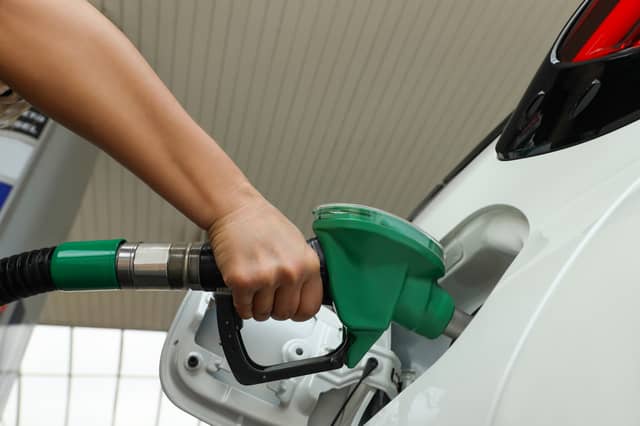

The current war in Iran and the blockading of the Strait of Hormuz is seeing the price of oil soar - which means rising petrol prices.
At the moment it’s costing around £1.57 a litre to fill up the car - that’s an increase of over 10 per cent just in the last few weeks.
With this in mind, being smart when and where you fill up and your driving habits can have a significant impact on fuel prices.
To help out, motoring expert and general manager at National Scrap Car, Saul Turner, has provided expert tips on how to save on fuel.
Here are his nine top tips to save you cash.
Make sure you don't miss a moment of breaking news from across Scotland by signing up to our free newsletter here.
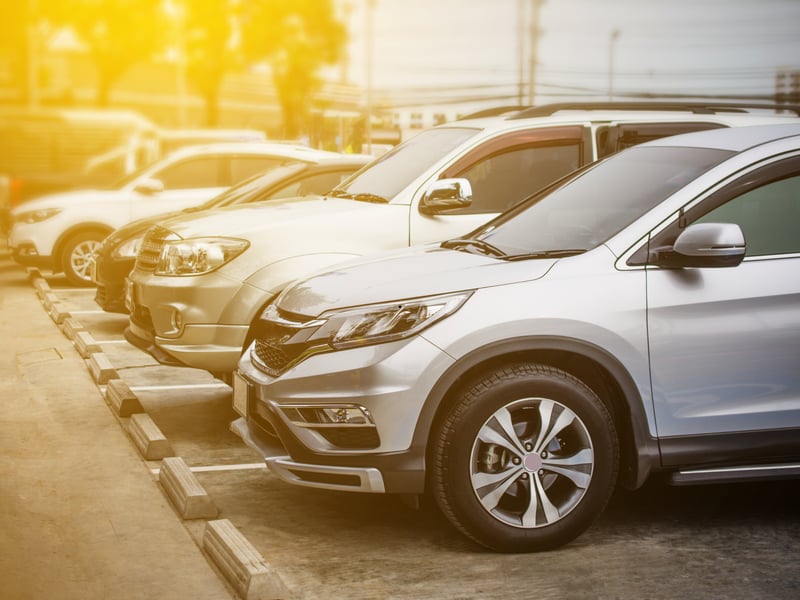
5. Park ready for departure
You should think about the direction you’ll be leaving when parking, especially for short-trip efficiency. Take time to reverse into your parking spot or face the direction you’ll be leaving whilst the engine is already warm. A cold engine is less efficient, and manoeuvring out of a tight spot while the engine is cold burns significantly more fuel than simply driving straight out. | Canva/Getty Images
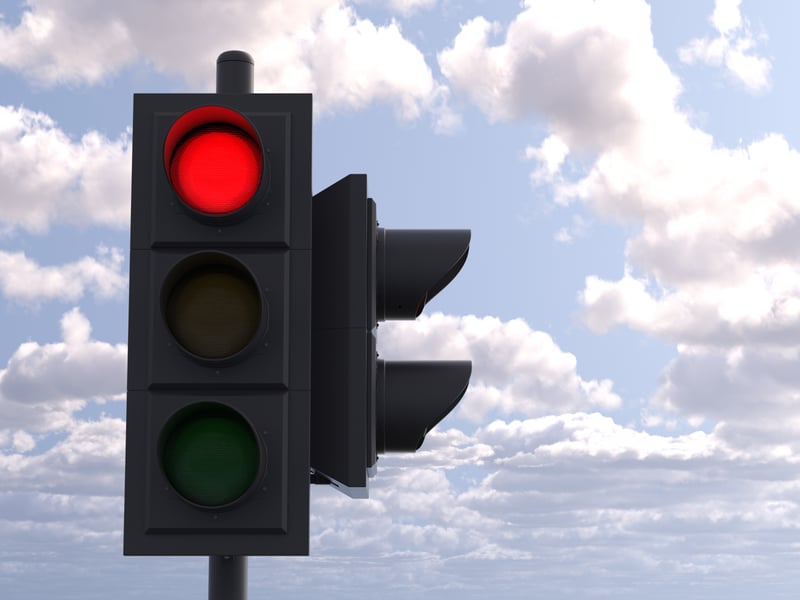
6. Avoid starting and stopping
Look ahead to avoid sudden stops. If you see a red traffic light in the distance, immediately take your foot off the accelerator. This allows you to use momentum rather than braking harshly, which wastes energy. It is far more fuel efficient to be slowly approaching at 10mph when the light turns green than to be at a complete standstill. | Canva/Getty Images

7. Fill up early in the week
When it comes to saving money on fuel, the advice is simple: fill up early in the week. We typically see prices rise towards the weekend, with Friday and Saturday being the most expensive days due to increased leisure travel. For the best value, try to get to the pump on a Monday or Tuesday. | Canva/Getty Images
8. Utilise cool temperatures
For those really looking to maximise their savings, getting into the habit of filling up late at night when the air is cooler can make a small difference. Colder temperatures make the fuel denser, so technically, you get a fraction more for your money. However, per fill up, this will only save you pennies, not pounds. | Canva/Getty Images