
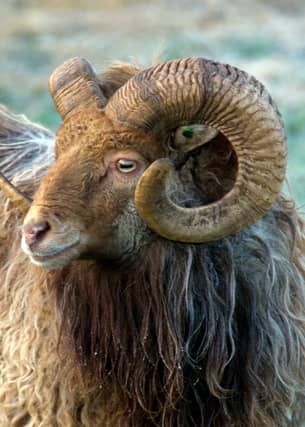


From seaweed eating sheep to chickens whose ancestors were, as legend has it, used to ward off strangers, Scotland has an eclectic mix of rare breeds.
Some beasts which might appear to be typical farmyard animals - cows, horses, sheep - are, in fact, the original breeds native to this country with unique genetics that are rare today.
For example, when you think of Aberdeen Angus, you might think it’s a common breed because of the world famous Aberdeen Angus beef, which has likely been cross-bred. But the original, native Aberdeen Angus is actually very rare.
Several of these breeds will be represented at the Royal Highland Show by the Rare Breeds Survival Trust.
Steve McMinn from Inverurie in Aberdeenshire, a Trustee of RBST, and chairman of RBST Scotland said: “Bred for our landscapes and the needs of our communities, Scotland’s native livestock and equine breeds have been vital to our people and an integral part of Scotland’s natural environment for centuries. Sadly many of these irreplaceable breeds became very rare with the mechanisation of the twentieth century.
“RBST Scotland is working to help these breeds back to the heart of farming and land management today and for the future, where they have key roles to play in high quality food production, conservation grazing to improve biodiversity, disease resistance and sustainable farming.”
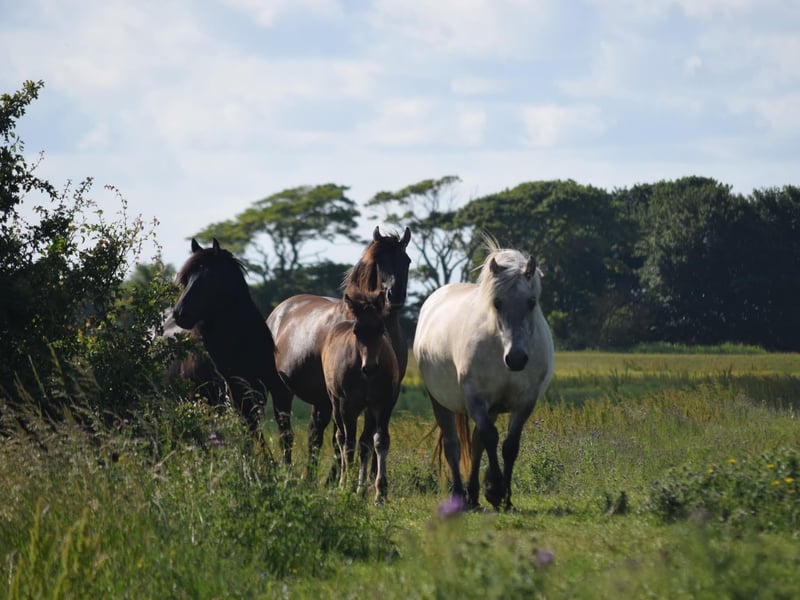
9. Highland ponies
They have been a favourite breed of the royals, particularly for Queen Victoria who liked to ride her Highland ponies around Balmoral. Queen Elizabeth II was also a very active supporter of the breed, with a substantial breeding herd on the same estate. The friendly-natured and robust breed is often a golden or mousey dun colour with a black ‘eel’ stripe and ‘zebra’ legs. Highland ponies have an impressive ability to thrive in a hostile environment, and they have a double winter coat for living out in all weathers. This hardiness combined with strength and even temperament, has made the breed well suited for many different purposes. They have been widely used as a military pony, for general farm work, forestry, driving, riding, deer stalking and other sporting and showing activities. | Grace Bushby
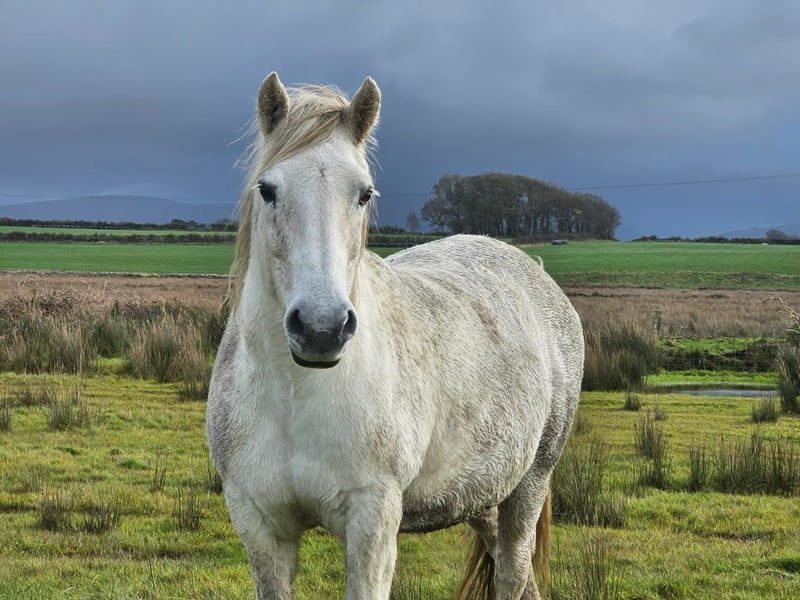
10. Highland ponies
Today, in addition to their popularity for riding, Highland ponies are still sometimes used for work in areas inaccessible to machines, such as in logging - moving felled trees - or to extract deer carcases from the hill. RBST categorise the breed today as at risk. | Andrea Parry
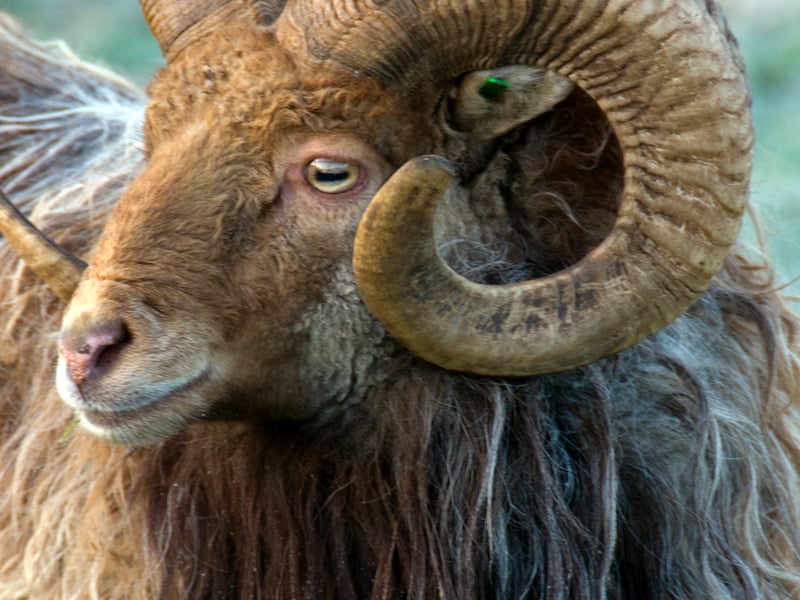
11. Scotland's rare breeds to be represented at the Royal Highland Show
Scotland's rare breeds to be represented at the Royal Highland Show | RBST