
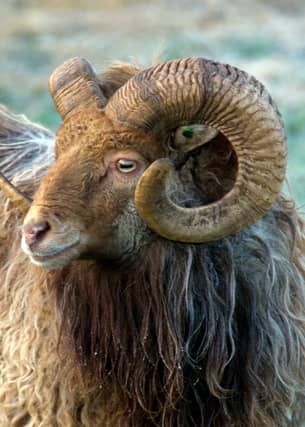


From seaweed eating sheep to chickens whose ancestors were, as legend has it, used to ward off strangers, Scotland has an eclectic mix of rare breeds.
Some beasts which might appear to be typical farmyard animals - cows, horses, sheep - are, in fact, the original breeds native to this country with unique genetics that are rare today.
For example, when you think of Aberdeen Angus, you might think it’s a common breed because of the world famous Aberdeen Angus beef, which has likely been cross-bred. But the original, native Aberdeen Angus is actually very rare.
Several of these breeds will be represented at the Royal Highland Show by the Rare Breeds Survival Trust.
Steve McMinn from Inverurie in Aberdeenshire, a Trustee of RBST, and chairman of RBST Scotland said: “Bred for our landscapes and the needs of our communities, Scotland’s native livestock and equine breeds have been vital to our people and an integral part of Scotland’s natural environment for centuries. Sadly many of these irreplaceable breeds became very rare with the mechanisation of the twentieth century.
“RBST Scotland is working to help these breeds back to the heart of farming and land management today and for the future, where they have key roles to play in high quality food production, conservation grazing to improve biodiversity, disease resistance and sustainable farming.”
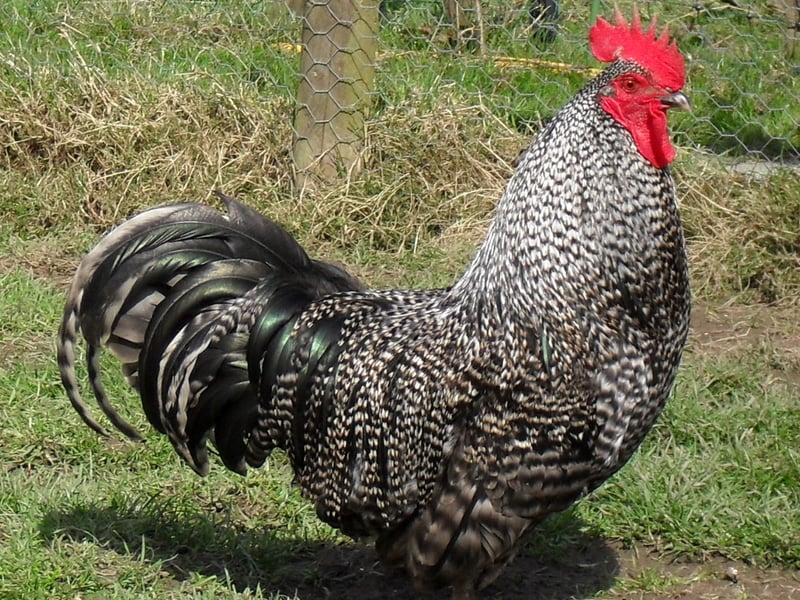
5. Scots Dumpy 'Crawler' chicken
The Scots Dumpy is a very old poultry breed of purely Scottish extraction. Similar birds with Dumpy characteristics have been shown to exist in Saxon times as early as A.D. 900. Legend has it that when the Roman Army moved north of the border, the Picts carried a type of poultry similar to today’s Dumpies as guards to warn off strangers approaching the camp. The breed has short legs due to a dwarfing gene, giving these chickens a distinctive side-to- side waddle. In the early twentieth century they were known by many different names including ‘Creepies’ ’Crawlers’ and ‘Bakies’. The Scots Dumpy almost disappeared in the middle of the last century, when the breed went into severe decline. A dedicated small band of breeders in Scotland during the 1970s saved it from dying out completely. Today it is one of the RBST’s priority rare breeds. | RBST
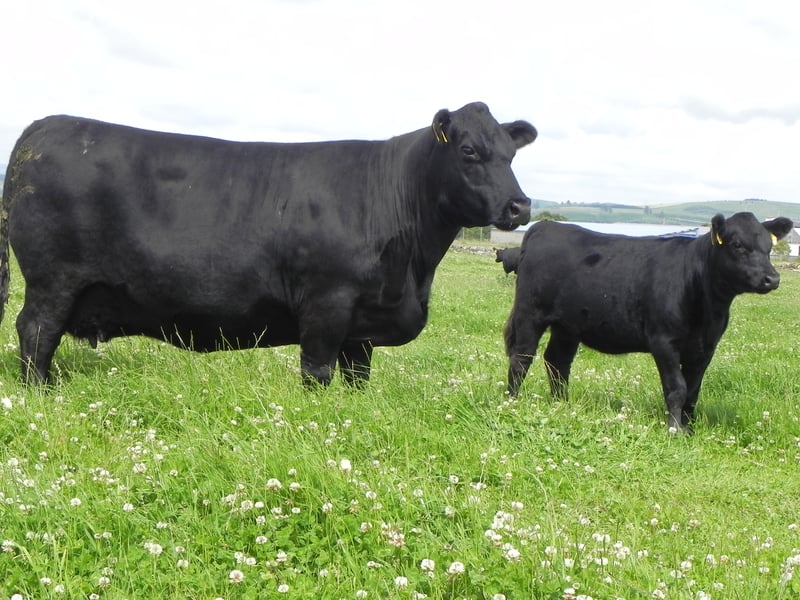
6. The original Aberdeen Angus
While Aberdeen Angus is a household name, the original small Scottish cow, native to Scotland, is surprisingly rare and at risk, RBST said. 'Aberdeen Angus' beef took off in global cuisine, but an 'Aberdeen Angus' steak or burger can be classified as such when it's cross-bred. The original, pedigree Aberdeen Angus breed was developed by three 19th-century Scottish farmers, early pioneers who by blended the native Aberdeenshire “hummlies” and slow- maturing, black and horned Angus “doddies”. When cross-bred versions were imported back into the UK, the original native Aberdeen Angus cows became very rare and by the 1990s, there were only 27 left in existence. Over the past quarter century, a campaign spearheaded by Forfar farmer Geordie Soutar sourced the last remaining native Angus cows and genetic material to save the breed. Today the breed is still classed as at risk by RBST. | RBST
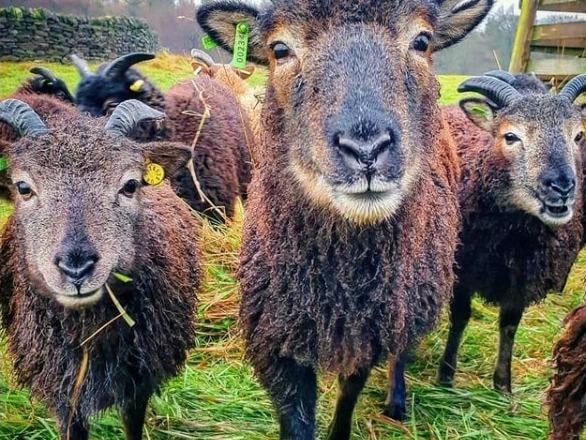
7. The Viking Soay
The Soay sheep is a small, athletic looking sheep that has something of the look of a gazelle about it. Soay means “sheep island” in Norse which suggests that there have been sheep on the island since at least the time of the Vikings. In 1932, two years after the last human inhabitants left the island of Hirta, 107 Soays were transported to the island. They have been maintained as a feral population there ever since, growing to around 1,500 sheep nowadays. The breed is categorised by RBST as rare and at risk. The Soay is exceptionally hardy and can survive in the most adverse conditions. They’re low maintenance, losing their fleeces naturally. Soay hogget and mutton is known for an unusual flavour, typical of the UK’s primitive sheep breeds. | Supplied
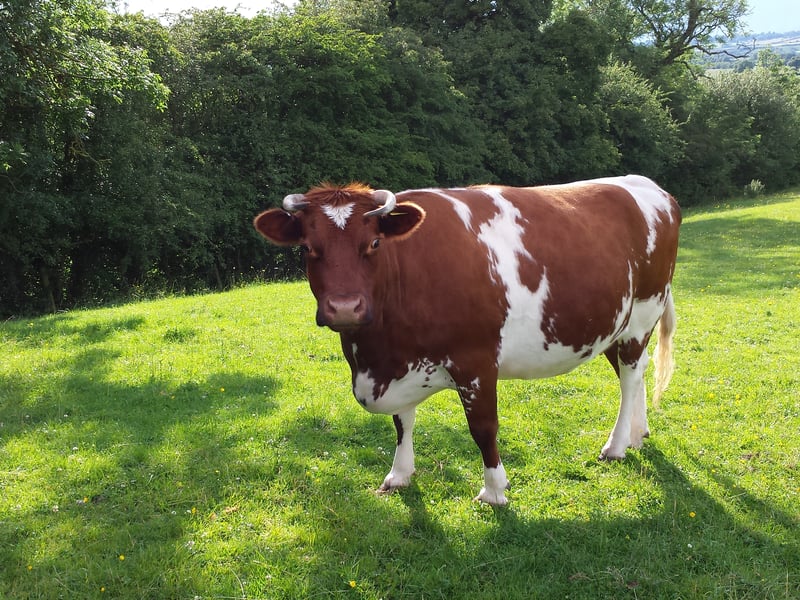
8. The Shetland Crofters’ Cattle
The mainstay of the Shetland islands’ crofting families for centuries, this triple-purpose breed fulfilled the crofter’s needs for milk production, beef and power. The small breed could be transported by fishing boat and some 15,000 head of Shetland cattle once populated the islands. Shetland cattle were (and remain) an ideal smallholder’s cow: tough, versatile and long- lived, calves easily and friendly. Usually black or black and white, Shetland cattle have small, distinctively upswept 'viking' horns. As the role of crofting declined so too did the Shetland breed and by the 1950s there were fewer than 40 pure bred animals remaining. Numbers have increased since then and the breed is becoming a popular choice on conservation grazing projects, but the breed is still rare and categorised by RBST as At Risk. | Mary Knibbs