
UK Budget Reaction: Reeves leaves business rates dilemma for Scottish Government
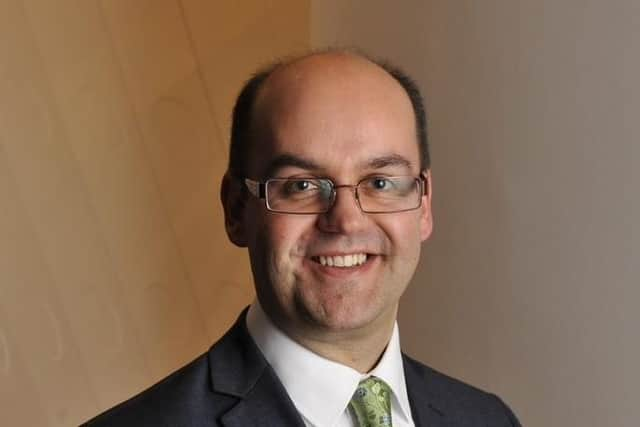
David Lonsdale, director of industry body the Scottish Retail Consortium (SRC), gives his assessment of the Chancellor’s autumn statement.
After weeks of briefing, revised briefing, and endless speculation the preamble to this year’s UK Budget was somewhat surreal. Watching Treasury Ministers pass phones to the Chancellor as they tried to come to terms with the leak of the OBR’s forecasts felt like a scene from TV’s The Thick of It.
That somewhat took away the element of surprise from much of the Chancellor’s statement. Mind you, even without the leak, it would have been hard to generate much excitement at 1.5 per cent GDP growth for the foreseeable future. Retailers will be disappointed, but not surprised to learn consumption growth is to average around one percent in 2025 and 2026. That tracks the 0.7 per cent average growth for Scottish retail sales over the last 12 months; so few signs trading will improve much in the next two years.
Beyond the economic update the Chancellor had a blizzard of announcements. For retailers there was an expected rise in the National Living Wage. Changes to salary sacrifice pension arrangements which will hurt retail employees and businesses alike. On the positive side of the ledger the removal of VAT on direct charitable donations will better help retailers support good causes. Closing the de minimis loophole on low-value imports is welcome – albeit it’s ridiculous to delay that until 2029. From a parochial perspective Scottish Ministers will receive £820 million through Barnett Consequential revenues.

However, for retailers the key announcement was always going to be the changes for business rates in England. The Chancellor announced most retail and hospitality businesses would see a permanent reduction in their non-domestic rates bills; paid for by a surtax on the very largest properties. Whilst in the Commons she implied this covered large online warehouses, the truth is every shop with a rateable value over £500,000 would see a business rates rise.
As we saw last year with last year’s Employer National Insurance rises, these tax increases end up being paid for by shoppers through higher prices. This surcharge will affect most large grocery retailers, who will likely pass the cost on through higher food prices; something which could affect Scottish shoppers due to national pricing policies.
Yet the move will have a significant effect on Scottish competitiveness. There will be a permanently lower business rate for most English shops with stores seeing reductions of up to 10 or 20 per cent in their business rate. Allied to the recent Welsh Government announcement to reduce retailers’ business rates, this means there is now a real risk Scotland will be a materially less attractive investment option from next April. This will have implications for the state of Scotland’s high streets.
So the onus is on the Finance Secretary Shona Robison to grab the moment to reduce rates for all retailers in Scotland in her Budget on 13 January.
By the end of the Chancellor’s statement to Parliament retailers could be forgiven for a sense of depressing déjà vu. Just like last year, retailers face the invidious combination of balance sheet busting cost increases with little prospect of increasing sales. Retailers in Scotland will hope the Finance Secretary can offer a little more light in the new year. In the interim, they will all be desperately hoping for strong Christmas sales to prepare them for tough times ahead.
David Lonsdale, director, Scottish Retail Consortium
Comments
Want to join the conversation? Please or to comment on this article.