


There are just a couple of weeks to go until Europe take on America in the 2025 Ryder Cup, due to be played at the Bethpage Black Course in Farmingdale, New York, from September 26-28.
Initially played between teams from the United States and Great Britain and Ireland, the first match took place in 1927 at Worcester Country Club in Massachusetts.
American dominance saw the team extended to include players from continental Europe from 1979 and, since then, the biennial competition has become one of the most eager-anticipated events in the golfing calendar by both players and fans.
This year will see Scotland’s Robert McIntyre play in his second Ryder Cup, having gone unbeaten on his debut in 2023, when Team Europe triumphed by 16.5 points to 11.5 points in Italy.
He qualified automatically as one of the top six players on the Ryder Cup Points Table, while European captain Luke Donald played it safe with his six captain’s picks - with the expected players chosen.
Meanwhile, the only eyebrows raised at American captain’s Keegan Bradley were at his decision not to pick himself for the team.
But the selection process has not always been so uncontrovertial - here are seven instances when the picks cause consternation, and the stories behind them, according to the experts at National Club Golfer.
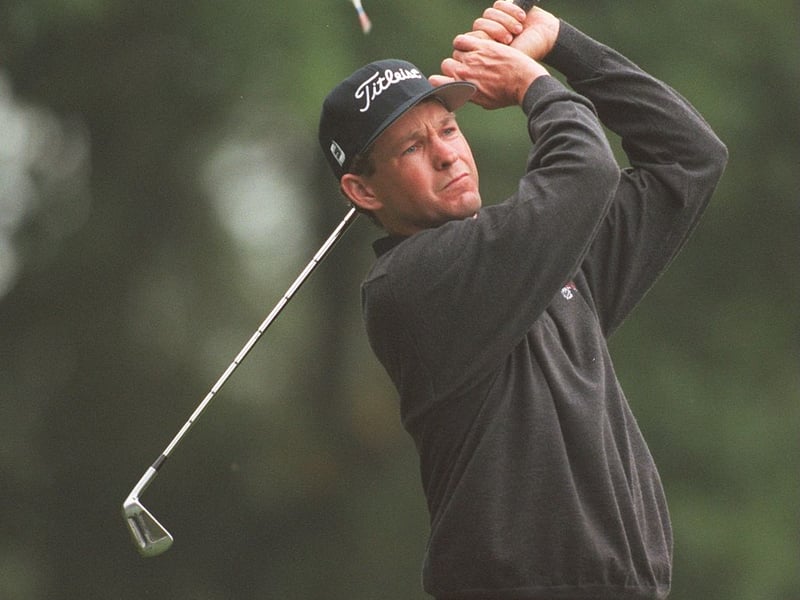
1. 1995: Lee Janzen
Lee Janzen won the Players Championship at TPC Sawgrass in 1995, and then three months later, he won the Kemper Open. He was inside the world’s top 20 players in the lead-up to the 1995 Ryder Cup and had the US Open two years before. He won the Ryder Cup with America in 1993 as well, but US captain Lanny Wadkins didn’t choose him and opted for Fred Couples and Curtis Strange. The suggestion was that Wadkins already had five rookies in the team, and chose experience over Janzen, who had only played in one Ryder Cup. | Getty Images
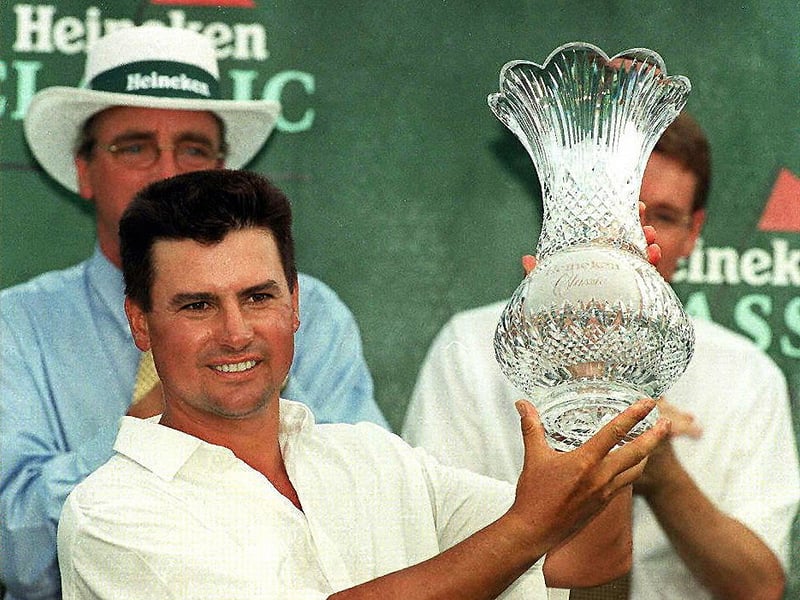
2. 1997: Miguel Angel Martin
This story is remarkable. In 1997, the top 10 players in the European standings automatically qualified. Following the BMW International Open, Miguel Angel Martin was ranked 10th and, in theory, made the team. Martin hadn’t played since The Open at Troon in July due to a wrist ligament injury, so he was told he must play 18 holes at the host venue Valderrama, to prove his fitness. He refused and was replaced by Jose Maria Olazabal. He threatened legal action and accused captain Seve Ballesteros of not wanting him in the team, but Ballesteros distanced himself from the controversy, saying that it was up to the committee. “It’s the most unfair decision I’ve ever heard of in golf history,” European player and 1997 debutant Ignacio Garrido said. | AFP via Getty Images
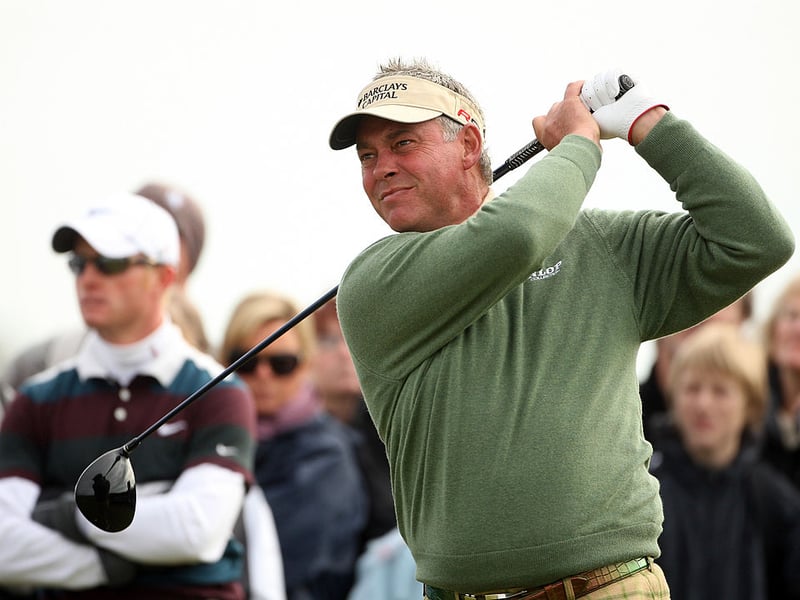
3. 2008: Darren Clarke
Darren Clarke was embedded in Ryder Cup history by the time the 2008 Ryder Cup arrived. The Northern Irishman played in the previous five Ryder Cups, and had won twice on the European Tour in this Ryder Cup year as well. European captain Nick Faldo chose Paul Casey and Ian Poulter instead, which constituted a significant shock. “Half of the guys have been in touch over the last day to say how disappointed they are for me, and to say how surprised they are that I won’t be going with them. I have to say I was quite surprised,” Clarke said to the Guardian at the time. | Getty Images
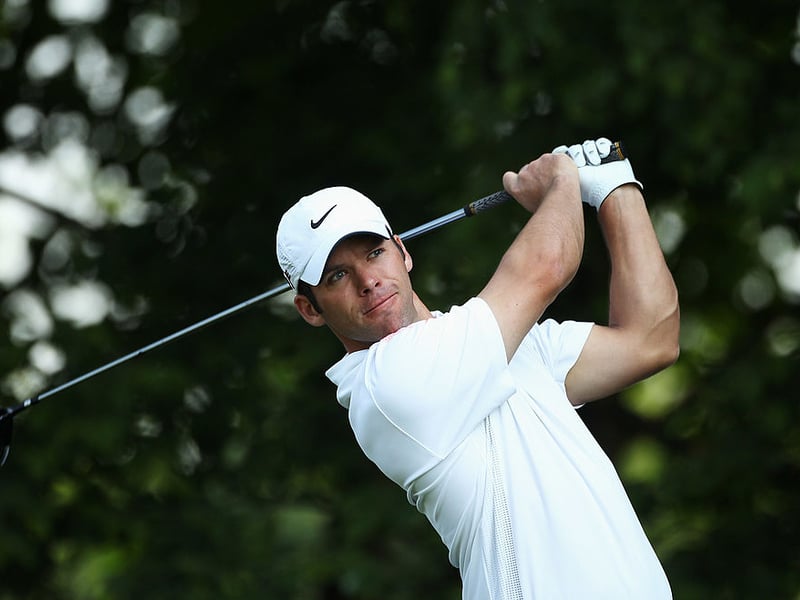
4. 2010: Paul Casey
Paul Casey was in the top 10 of the world rankings when European captain Colin Montgomerie didn’t give him a captain’s pick at the 2010 Ryder Cup. In 2006, Casey had won the HSBC World Match Play too. He came runner-up in the match play and tied for third at The Open Championship in 2010, but instead, Padraig Harrington was a player picked in his place who hadn’t won a tournament for two years (He did win two majors in 2008, though). Casey was reportedly unpopular among his peers, but this revelation was still a shock. Europe narrowly won 14.5-13.5 in a drenched Monday finish at Celtic Manor in Wales. | Getty Images