
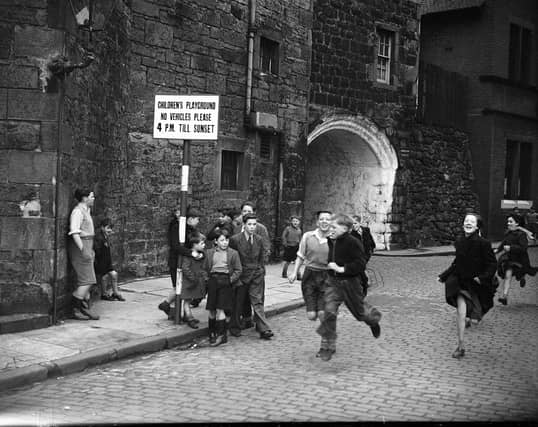

The area of Leith has a long history - with archaeologists finding signs of human settlement dating back to the 12th century.
Back then the area was referred to as ‘Inverlet’ in the royal charter authorising the construction of Holyrood Abbey.
Its position on the southern coast of the Firth of Forth has long made it an important port and it has played a key role in many important historical events, including being the place Mary, Queen of Scots landed in 1561 before being escorted to Holyrood Palace to start her foomed six year reign.
After she abdicated it then became the base for troops fighting for James VI of Scotland against his mother’s supporters stationed at Edinburgh Castle in a period called the ‘Wars between Leith and Edinburgh’.
Make sure you don't miss a moment of breaking news from across Scotland by signing up to our free newsletter here.
Prior to that King Robert the Bruce had granted Leith to Edinburgh in 1329 and it remained largely under the city’s control for centuries, finally becoming a separate burgh in 1833.
But that lasted for less than a century when it became officially part of Scotland’s Capital once more in 1920, and has remained so ever since.
In the intervening 105 years the area has had its highs and lows, with the decline of the docks after World War Two leading to Leith having an unwanted reputation for drugs and sex workers.
In modern times regeneration and gentrification have transformed it once mor, and it’s now best known for being home to the Royal Yacht Britannia and its picturesque Shore bustling with restaurants, bars and pubs.
Here are 28 pictures to take you back to the Leith of the 1950s and 1960s.
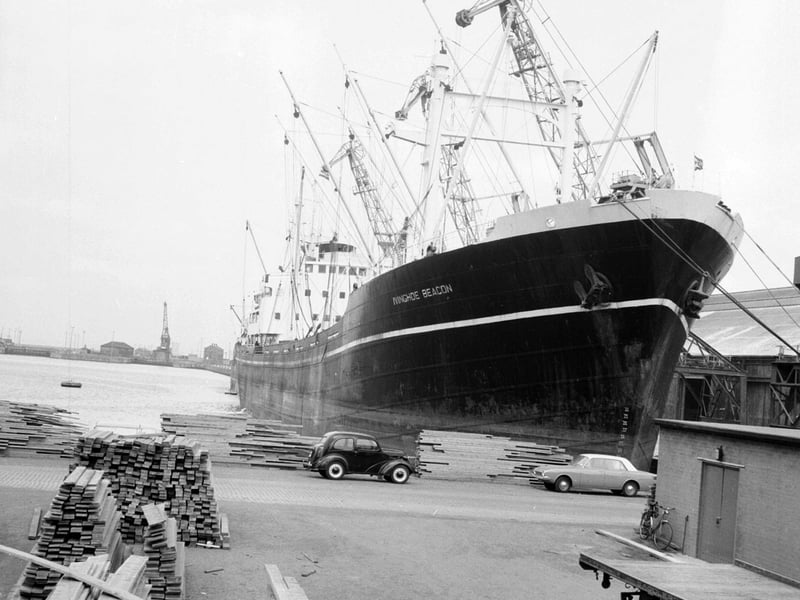
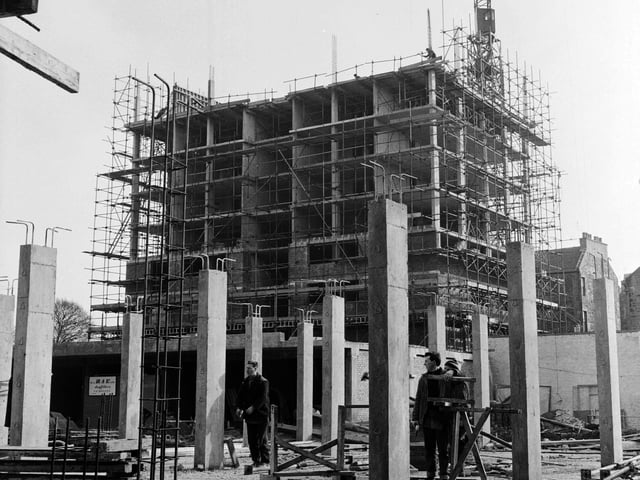
22. Under construction
Construction of the Kirkgate development in Leith in March 1967. | National World
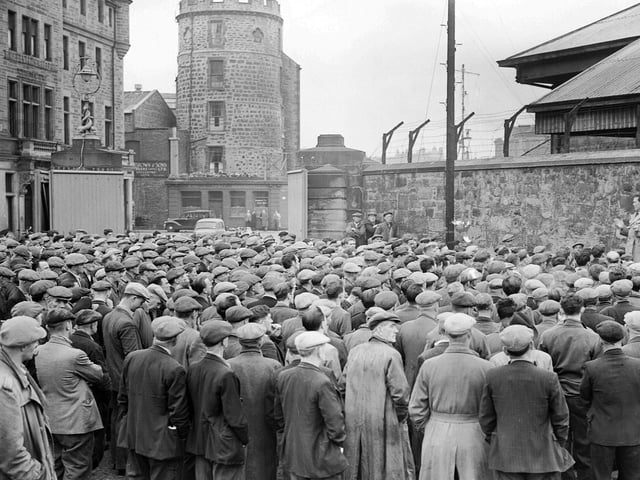
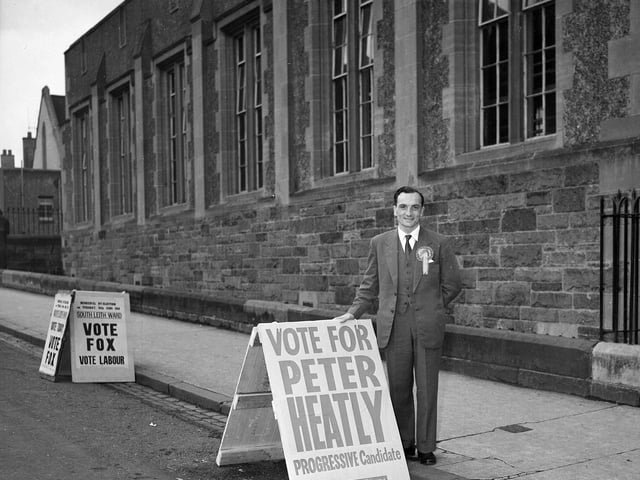
24. Campaign trail
Progressive candidate Peter Heatly who was running for the South Leith constituency in the 1959 UK General Election. | National World