
Exclusive:Prisoners 'guinea pigs' for new drugs flooding jails as overdoses spike amid overcrowding crisis
The Prison Officers’ Association (POA) Scotland said some prisoners are being used “to test the potency and impact of new supplies” and have “no clue about the chemical makeup” of the drugs.
Prisoners are being forced to act as “guinea pigs” to test new unknown drugs being brought into Scotland's jails by organised gangs, with an unprecedented number of overdoses reported this year as overcrowding leaves staff unable to“take control” of the crisis.
The Prison Officers’ Association (POA) Scotland said some prisoners are being used “to test the potency and impact of new supplies” and have “no clue about the chemical makeup” of the drugs.
New figures showed the number of overdoses in prison has hit its highest level in at least 10 years, with overcrowding blamed in-part for the trend given the subsequent strain on prison officers and the “flood” of new drugs entering the prison estate on a daily basis.
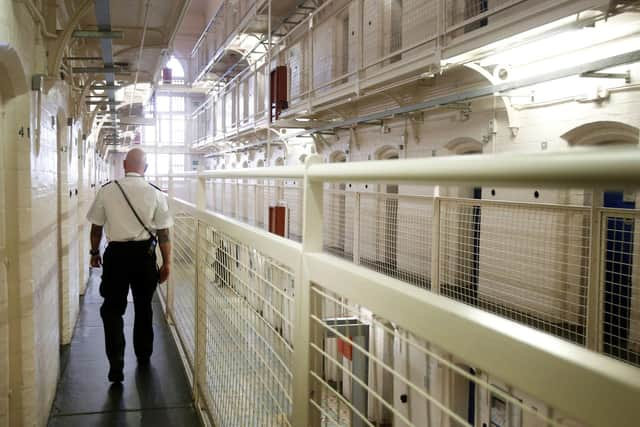

The bleak picture inside Scotland’s prison estate has been painted as the Scottish Government works furiously to reduce the prison population, with Justice Secretary Angela Constance announcing last week that short-term prisoners will be released after serving just 30 per cent of their sentence.
Then on Friday, the Scottish government was urged by Scottish Sentencing and Penal Policy Commission to discourage judges from issuing prison sentences of less than two years in a bid to tackle the overcrowding problem.
A Freedom of Information (FOI) response seen by Scotland on Sunday shows there were 64 drug overdoses on the Scottish prison estate in 2025. This was up from 56 the year before and was a 500 per cent increase on 2023, when there were 12 overdoses.
Phil Fairlie, assistant general secretary at POA Scotland, said the increasing number of overdoses was caused by overcrowding.
He said there is not possible to conduct searches or catch out dealing at scale because the volume of prisoners means “time is taken up simply trying to do the basics”.

Mr Fairlie told Scotland on Sunday: "The increasing figures for prison overdoses are symptomatic of the conditions our members are finding daily inside our prisons at the moment and is a real source of concern for us.
“With the large number of organised crime gang members inside our prisons looking to continue their illegal but very lucrative activities in drug supplies, coupled with the type of drugs we are talking about, the user population are participating in incredibly dangerous and life-threatening behaviours on a different scale to before.
“The incredibly small amount of drugs required to have an enormous impact, alongside the use of drones to have them brought into prisons means there is a constant ready supply flooding our prisons daily.
"As ever, the continual overcrowding has a significant impact on the staff's ability to get on top of the situation and take control.
“Time that would normally be utilised in conducting searches, observing behaviours and movement within the halls, intelligence gathering, early interventions etc. are all impacted by that time taken up simply trying to do the basics such is the volume.
“It leads to engagement with staff and prisoners being interrupted in a way that stops our members being able to influence and support in some cases, or in discovering information that allows them to intervene early and interrupt the supply into the system in the first place.
"Prisoners are taking drugs today that they have no clue about the chemical makeup of and are playing Russian roulette with their lives. We know of some prisoners being used as guinea pigs to test the potency and impact of new supplies by those in control and it is an incredibly bleak picture of what life is like for many of them in our prisons.
"As always, it is staff who are left to pick up the pieces in all of this. The staff are constantly trying to intervene or uncover supplies in the prison, and are left to break up the fights and face the violence that is always associated with widespread drug use, either generated by debts run up and unpaid, or turf war battles between rival gangs all seeking control of the 'market' share.
“They are also having to manage overcrowded halls with significant numbers of the prisoners completely out of it on drugs, with the most unpredictable bizarre behaviours, including violence, and significant mental health issues that come as the aftermath of continued use.
"It is an incredibly difficult and challenging time and environment for everyone inside the prisons at the moment, and it is just short of a miracle that the efforts and resilience of the staff has allowed the prisons to continue to function in a way that should be a lot worse, but for those staff who keep coming back through those doors every day".
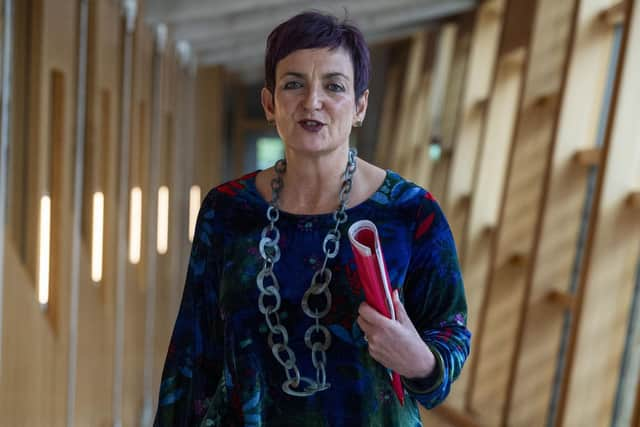
The number of prison overdoses gradually fell from 45 in 2015 to 20 in 2020. It jumped up to 39 in 2021, before falling to 21 in 2022 and 12 in 2023.
But it dramatically increased to 56 in 2024 and 64 in 2025.
The Scottish prison population reached a record high of 8,431 in November and, as of Tuesday, the prison population was sitting at 8,301 despite the ongoing early release scheme.
Four groups of emergency early releases have so far taken place with 415 prisoners released. There are a further three release dates planned until April which should result in a further 100-200 prisoners being freed.
Scottish Labour Justice spokesperson Pauline McNeill said “This stark rise in overdoses speaks to the chaos in our prisons.
“Scotland’s prisons are dangerously overcrowded, prisoners and staff are being put at risk and drugs are flowing too freely.
“The SNP must work with the Scottish Prison Service to tackle this growing issue, put lifesaving care in place and get drugs out of our jails.”
Shadow minister for drugs, alcohol and women’s health Annie Wells said: “This alarming spike in prison overdoses is a clear sign that the SNP have completely lost control of the drugs epidemic in Scotland’s jails.
“These figures show this crisis is getting dramatically worse on the SNP’s watch.
“There wouldn’t be the need for so many last-ditch interventions if ministers focused on keeping drugs out of prisons in the first place.
“That means tougher security, proper rehabilitation and real support to help addicts break free from dependency, not a system that lurches from crisis to crisis.”
A Scottish Prison Service spokesperson said: “The health and wellbeing of those in our care is a key priority. Our staff work hard to keep prisons safe and secure, using all available technology and intelligence to prevent illicit substances entering our establishments.
“However persistent overcrowding compromises their ability to do the critical work of building relationships and supporting rehabilitation.
“We need to see a reduction in our population, so that they can fully support people in our care, to reduce their risk of reoffending, and help build the safer communities we all want to see.”
A Scottish Government spokesperson said:
“The health and wellbeing of those in the care of SPS is a key priority and the prison service work hard every day to tackle the risk posed by illicit substances and we are of course concerned about drugs in prisons and their impact on staff and inmates.
“We know criminals are seeking to bring illegal substances into prison, which is why the Scottish Prison Service uses a range of technology and intelligence to stop them reaching our prisons. This includes advanced scanners and detection technology, tactical searches, grilles on windows at some establishments and drug detection dogs.
“SPS is also working to identify a suitable detection system which can prevent issues and is responsive to latest technological developments. To continue to provide a safe and secure prison estate, in 2026-2027 we are investing just over £1 billion in our prisons to support frontline staff and progress improvements in the prison estate.”
Comments
Want to join the conversation? Please or to comment on this article.