
When is Chinese New Year? 2026 dates, ways to celebrate the Year of the Horse, what to avoid and more

The Year of the Horse will begin on February 17, so here is everything you need to know ahead of the Chinese New year.
Chinese New Year festivities will soon kick off, with millions of people around the world getting ready to welcome the Year of the Horse.
One of the most important times of year in many Asian cultures, the annual festival - which is also known as the Spring Festival, or Lunar New Year - marks the transition of one year to the next.
Here is everything you need to know about the Chinese New Year in 2026, including when it starts and ends, the meaning behind the Year of the Horse, traditions, taboos and more.
When is Chinese New Year 2026?
In 2026, the Chinese New Year officially begins on Tuesday, February 17, which marks the beginning of the Year of the Horse.
This differs to New Year on January 1 due to the Chinese lunisolar calendar - which is based on the phases of the moon and Earth’s orbit around the sun - which many cultures across Asia look to instead of the Gregorian calendar for religious purposes, festivals and agriculture.
How long does Chinese New Year last for?
In 2026, the Lunar New Year will take place over 15 days from Tuesday, February 17, to Tuesday, March 3.
As celebrations follow the lunar calendar, these are split into two separate festivals; the Spring Festival and the Lantern Festival.
The Spring Festival comes first, taking place from Tuesday, February 17 until Friday, February 27. Then from Saturday, February 28 preparations for the Lantern Festival begin, with the final celebration on Tuesday, March 3.

Make sure you don't miss a moment of breaking news from across Scotland by signing up to our free newsletter here.
Year of the Horse: What does it mean?
As of February 17, the Year of the Horse officially begins.
The Horse is seventh of 12 animals in the Chinese zodiac, where each year is aligned with a different animal.
In Chinese culture, the Horse represents enthusiasm, speed, independence and perseverance, as well as symbolising adventure, vitality and momentum.
People who were born in the Year of the Horse - 1942, 1954, 1966, 1978, 1990, 2002, 2014, or 2026 - are said to be confident, agreeable, and responsible, though they dislike being reined in by others and are impatient. They are often fit, possessing a passion for either physical or mental work, and can be decisive but just as easily swayed.
Lunar New Year Traditions: What to do (and what not to do) on Chinese New Year
One of the most important festivals of the year, the Chinese New Year - which is also known as the Spring Festival - is centred around removing the old and welcoming the new.
In order to usher in fortune with the New Year, there are strict rules to follow - and stricter taboos to avoid.
What to do on Chinese New Year
Traditionally on New Year’s Eve, people will light candles or oil lamps to keep vigil all night, in a practice known as Shou Sui (守岁), which is said to drive away evil. This can also be observed by eating, drinking tea, and playing games such as mahjong, chess or cards.
Other New Year celebrations include worshipping ancestors, exorcising evil and praying for a good harvest, with more modern additions involving lion and dragon dancing, temple fairs, market shopping and more.

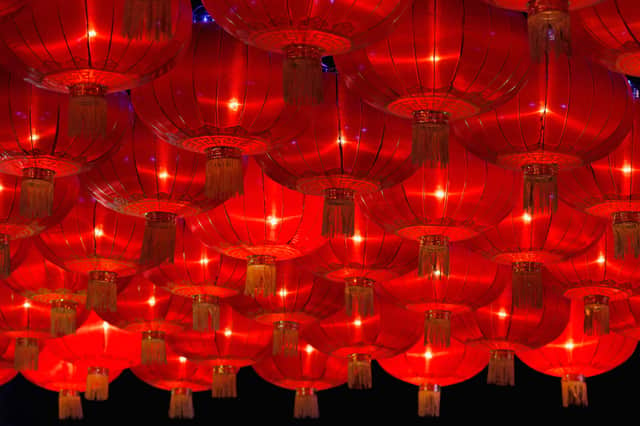
As the New Year approaches, people will typically clean their homes and decorate with red and lanterns, as well as plan elaborate meals for their family.
It is an important time of year to spend with loved ones, and families will enjoy a dinner together known as Nian Ye Fan (年夜饭). Older family members will gift younger relatives money in a red envelope.
It is worth highlighting that there are many regional variations to celebrations, from practices to food and beyond.
What not to do on Chinese New Year
If you want to avoid bringing bad luck into your home for the New Year, then negative words should be avoided as well as fighting and crying, and no one mustn't leave the house through the back door.
There are also different cleaning practices observed for the festival, as no sweeping the floor is allowed on New Year’s Day, and if you do, this debris must remain inside until after the celebrations are over. This is because throwing things away can mean parting with wealth for the coming year.
Importantly, one must avoid sweeping into someone’s feet as this will bring them bad luck.
Comments
Want to join the conversation? Please or to comment on this article.