
Great Barrier Reef under threat from dumped mud


MILLIONS of tonnes of dredged mud is to be dumped near the Great Barrier Reef after an Australian watchdog gave the move a green light.
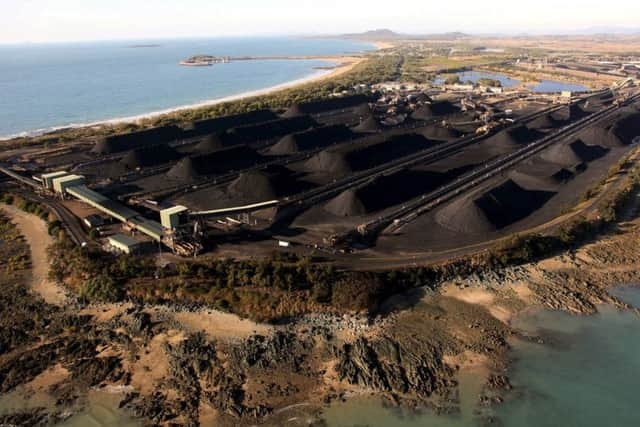
The mud will be removed to create what will be the world’s biggest coal port, aiming to unlock mining projects worth A$28 billion (£15bn).
The dumping permit clears the way for a major expansion of the port of Abbot Point for two Indian firms and Australian billionaire miner Gina Rinehart, who together have A$16bn worth of coal projects in the untapped, inland Galilee Basin.
“This is a significant milestone in developing our Galilee Basin coal projects, which represent the creation of over 20,000 direct and indirect jobs and over $40bn in taxes and royalties,” said Darren Yeates, chief executive of GVK-Hancock, a joint venture between India’s GVK conglomerate and Rinehart’s Hancock Prospecting.
Environmentalists, scientists and tour operators had fought the plan to dump soil 15 miles from the reef, which they fear will harm delicate corals and seagrasses and potentially double ship traffic through the World Heritage marine park.
“It’s a really disappointing decision,” said Selina Ward, a marine biologist at University of Queensland who was among 240 scientists who urged the Great Barrier Reef Marine Park Authority to refuse the permit.
“We need to stop putting pressure on the reef, and certainly not add further stress to it by dumping three million tonnes of sediment on it.”
If all the dredged material were dumped on land, the pile would be bigger than the Great Pyramid of Giza.
The reef authority, an independent agency charged with protecting the reef, said the permit was approved as one third of the marine park was designated high protection and two-thirds allows other uses, such as dredging disposal as ports have always been a part of the area.
Authority chairman Russell Reichelt said expanding Abbot Point would require much less dredging than other options along the reef, which covers an area larger than the United Kingdom, the Netherlands and Switzerland combined.
“It’s important to note the seafloor of the approved disposal area consists of sand, silt and clay and does not contain coral reefs or seagrass beds,” he said.