
Exclusive:Victims of sexual offences face 'increased risk' amid prison reform plan
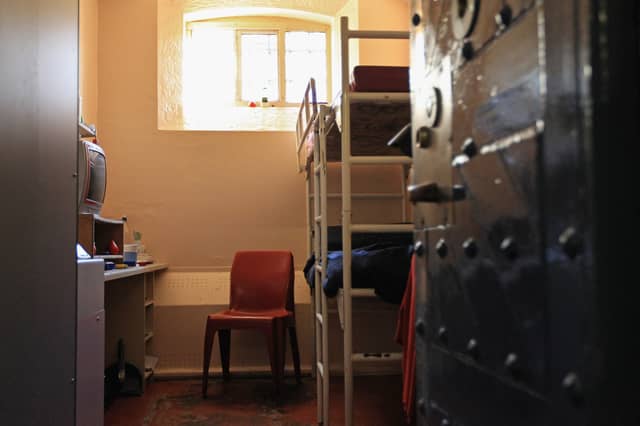

How Scotland punishes its criminals is facing deep and permanent reform
Releasing sex offenders and domestic abusers from prison early poses an “increased risk” to victims, a charity has warned, as “serious concerns” are raised with the Scottish Government over its failure to exclude such criminals from proposals to reduce the overcrowding crisis in Scotland’s prisons.
Victim Support Scotland (VSS( has offered a critical and considered response to the government’s plan that long-term prisoners could be released after serving two-thirds of their sentence, with the remainder completed in the community.
VSS has said that those convicted of sexual and violent crimes, along with domestic abusers,, must be excluded from the early release scheme altogether, given the “increased risk “ of “future and escalating harm”.
Its submission to the government’s consultation on prison population and penal reform, which closed last week, makes clear its position to the proposals on several fronts, with further claims that any reduction in custodial sentences could further impact victim confidence and make them less likely to report crimes in the first place.
It said eforms are being proposed before adequate community resources, victim support systems, and safeguards are in place.
The Scottish Government has said that long-term prisoners convicted of sexual offences and some violent crimes released under its approach, which has yet to be approved by MSPs, would be monitored in the community under Multi-Agency Public Protection arrangements (MAPPA).
But the charity raised concerns about the effectiveness of some elements of such an approach and said that such offenders should be excluded from any early-release scheme.
The charity’s statement said: "Victim Support Scotland is concerned and disappointed that these proposals do not include an exclusion for sexual and cases of domestic abuse. These offences are calculated crimes that involve a high level of intent.
"Releasing prisoners convicted of serious sexual and violent crimes who have not been effectively rehabilitated is seriously concerning.
READ MORE: Violent and sexual criminals set for release from prison after serving two thirds of sentence
"Through our experience of supporting victims of crime, we know that these crimes are often an indicator of future and escalating harm. Releasing perpetrators of sexual abuse and violent crime, including domestic abuse who have not been rehabilitated, will serve to increase this risk."
VSS said that further proposals to increase the presumption against prison from 12 month-sentences to 24 months could also impact punishments for serious assault, domestic abuse, sexual assault, stalking and possession of indecent images of children, which can attract sentences under two years.
VSS argued that these crimes should not be considered suitable for community alternatives, with the charity warning that extending the presumption threshold from 12 to 24 months could undermine victim confidence and discourage the reporting of crimes.
It said: "We are concerned that extending the presumption against short periods of imprisonment from 12 months to 24 months may lead to a reduction in victims reporting crimes. This may foster feelings of ‘what is the point’ amongst victims, if they know that the perpetrator is unlikely to serve a lengthy sentenceh
"This can leave victims, as well as the wider public, feeling that perpetrators go unpunished, as well as being in danger of affording them to continue committing crimes. Additionally, for victims in this situation, they can be left physically and psychologically harmed. Victims should feel empowered to report what has happened to them, and not the opposite."
Community sentences should be expanded only where services are properly funded, breaches are effectively enforced, and victims receive clear information, involvement and support throughout the justice process, it added.
The position of VSS to the proposed penal reforms comes as the consultation into how the Scottish Government tackles the crisis in prison population closes. The proposals were put forward following recommendations from Scottish Sentencing and Penal Policy Commission
Scotland’s prison population now sits at a record high of over 8,500 inmates against a design capacity of around 7,800. The figure could rise to an estimated 9,150 by March next year.
Efforts to reduce the number of inmates have already resulted in two waves of early release of offenders on short-term sentences following a shift in policy to allow those jailed for under four years to be freed after serving 30 per cent of their sentence, as opposed to 40 per cent.
But the latest proposals signal a deeper and permanent reform of the way criminals are punished in Scotland.
Meanwhile, two two major replacement prisons, HMP Glasgow - which will replace Barlinnie - and HMP Highland in Inverness, have faced significant delays and rising costs, with HMP Glasgow's price tag now nearing £1 billion.
HMP Glasgow, which was originally due to open around 2025, now has a 2028 completion target with the Inverness prison due to open next year.
Scottish Conservative leader Russell Findlay earlier said that prison overcrowding was the SNP’s “problem entirely of their own making”.
Prison overcrowding has impacted many countries, with the UK Government set to release 5,000 offenders from October. However, Prime minister Andy Burnham has now excluded rape, serious child sex and other grooming offences from the scheme.
VSS said it supported efforts to reduce reoffending and create a more sustainable prison population using an evidence-based approach.
The Scottish Government has been approached for comment.
Comments
Want to join the conversation? Please or to comment on this article.