
The £58m economic hit blamed on new cruise ship levy plans for Scotland
A cruise ship levy that would add a new tax on passenger ships entering Scottish ports could cost the economy up to £58 million a year given the risk that companies could choose to berth elsewhere, the industry has claimed.
The Scottish Government is considering creating powers which would allow councils to introduce a tax on cruise liners arriving in their area and raise revenue to support tourism and infrastructure in the face of growing visitor numbers.
More than one million cruise ship passengers have arrived in Scotland so far this year, with Orkney, Shetland, Invergordon, Greenock and Edinburgh the busiest ports. Cruise ship capacity has trebled in the ten years to 2024.
Cruise Lines International Association (CLIA) said the cruise industry generated £343m for the Scottish economy in 2023 and supported 4,712 jobs across the sector and its supply lines. However, the body warned this was at risk from the proposed levy given that cruise companies could choose other destinations, rather than Scotland, for their itineraries.
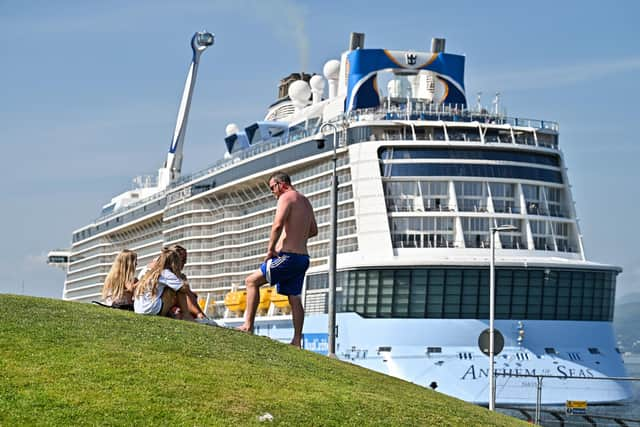

In Dubrovnik, a cruise levy introduced in 2021 coincided with a 19.2 per cent drop in calls from 2019 to 2025.
If a Scottish cruise ship levy had the same impact over the same period, up to £58m could be lost to the Scottish economy and lead to the loss of 672 Scottish jobs and £20.7m in reduced wages, a report commissioned by CLIA said.
Andy Harmer, managing director of CLIA UK & Ireland, said: “Cruise plays a vital role in Scotland’s visitor economy. Cruise guests love to visit Scottish cities, remote islands steeped in history and the beauty of Scotland’s Highlands and coastline. In doing so, these guests support thousands of jobs across the country and bring with them substantial economic benefits for Scotland.”
Legislation is being considered given that cruise ships are not covered by the so-called tourist tax, which will add an extra charge to those staying overnight in Scotland in hotels, bed and breakfasts, self-catering accommodation and caravan parks in council areas which adopt the levy.
Many Scottish cruise ports have made massive investments to remain competitive in the international cruise market, such as Stornoway, which spent £49m in a new deep water terminal that allows the location to take larger cruise ships. More than 60,000 passengers are due to arrive this year alone. Meanwhile, a new harbour in Aberdeen is helping it position itself as a cruise city. However, strain on local services, infrastructure and attractions has been reported in some destinations, where large numbers of visitors disembarking at once and heading on bus trips to key destinations. The levy remains under consideration, with a Scottish Government consultation closing in May.
A Scottish Government spokesperson said: “The Scottish Government is actively engaging with local authorities, the cruise ship industry and port stakeholders to explore the potential introduction of a Cruise Ship Levy in Scotland. This work is part of our broader commitmen.”
Comments
Want to join the conversation? Please or to comment on this article.