
Exclusive:Bus industry alarm over lack of progress towards SNP's planned £2 fares cap in 100 days time
New maximum fare due to be introduced across west of Scotland by August



The SNP’s bold pledge to cap bus fares at £2 for nearly half the Scottish population within 100 days of being re-elected has triggered alarm bells among operators who remain in the dark about how it will work.
The price limit is due to be introduced by August 16 across the west of Scotland but one of its major operators said the lack of contact from the party over the promise made it "extremely difficult to plan".
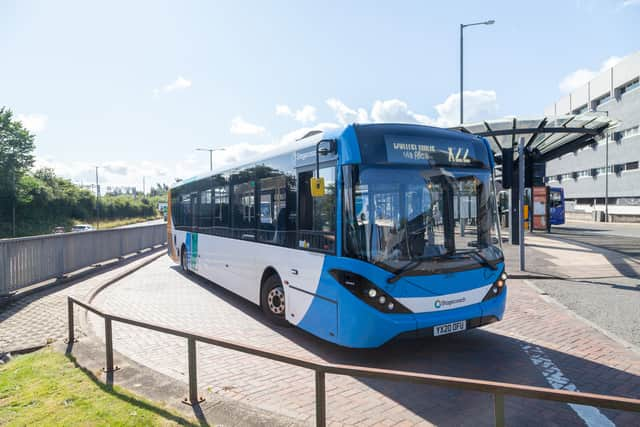
An industry source told The Scotsman they feared the SNP was "rushing to meet a self-imposed arbitrary target" which could backfire if passengers were unable to board full buses.
The party’s Holyrood election manifesto included a pledge to extend the current year-long trial in the Highlands, Moray, Argyll & Bute and the Northern and Western Isles to the rest of the country by “taking forward” legislation by 2031.
However, during the campaign, leader John Swinney announced the timescale would be accelerated.
He said: “Within the first one hundred days, we will extend the £2 bus fare cap to Glasgow, Ayrshire, Dunbartonshire, Renfrewshire, Lanarkshire and Inverclyde.”
Single fares on First Glasgow, the city’s main operator, range from £2.45 to £7.05, while Greenock-based McGill’s Buses charges between £2.10 and £11.40. Stagecoach’s fares include £10.10 Glasgow to Ayr.
Extending the fare cap across the country is expected to cost £210m in 2031 - on top of free bus travel for the under 22s, over 60s and people with disabilities, which cost £363m in 2024-25 and covers about 40 per cent of the population.
Among operators with misgivings about the SNP’s plans is Greenock-based McGill’s Buses, which said the party had previously made bus pledges without consulting the industry and failed to fulfil them.
McGill’s Group chair Ralph Roberts said: “We have been clear that, in principle, we welcome measures that support public transport users and encourage more people to travel by bus.
“However, we had no contact from the SNP before this policy was announced in its manifesto and, to date, we have received no detail from the Scottish Government on how it would work in practice.
“That makes it extremely difficult for us to plan ahead as a business. Without clarity on funding, timescales and implementation, we are not in a position to make meaningful preparations.
“There is ample evidence that introduction and then removal of policies such as this are damaging to the bus sector and to the travelling public.
“Bluntly, this is not the first time bus services have featured prominently in manifesto commitments with little or no prior consultation with the sector.
“At the last Scottish election, the SNP pledged to remove the majority of fossil fuel buses from public transport in Scotland by 2023 - a target that came as a surprise to operators at the time and was, of course, missed.”
An industry source described the 100-day announcement as “purely political” and it depended on “wary” bus firms agreeing to take part.
The source said: “Is it possible in 100 days? Potentially. But, given the importance of public transport to people's lives, should government be rushing to meet a self-imposed arbitrary target?
“There's probably a good risk that a pilot is launched that puts people off bus use due to full buses on day one.”
Paul White, Scotland director of the Confederation of Passenger Transport, which represents bus operators, said: "Ambitious transport policy such as the introduction of a fare cap only succeeds if government works through the practical realities of delivery from the outset.
“Without careful consideration of deliverability in the short and longer term, it could risk disappointing passengers, communities, and industry alike."
A spokesperson for the Strathclyde Partnership for Transport co-ordinating body, which runs Buchanan Bus Station in Glasgow - Scotland’s largest - said: “We await more information from Transport Scotland on the Scottish Government’s pledge to extend the £2 fare pilot across Scotland, with an initial focus on Strathclyde.
“However, we would encourage early dialogue with the sector to ensure any pilot delivers on its objectives, is sustainable, and avoids any unintended consequences.”
A First Bus spokesperson said: “We are waiting to see further details of the proposals for the £2 fare and how this will be implemented, including the funding mechanism.”
“First Bus is keen to work with the new Scottish Government and our local authority partners on any initiatives that aim to make bus travel more attractive to more people.”
An SNP spokesperson said the fare cap would “save bus users potentially hundreds of pounds every month and provide essential help with the cost of living not available elsewhere in the UK”.
The move follows a £2 fare cap on many bus journeys in England being introduced in 2023, which increased to £3 in January, although it is lower in some areas.
Robert Samson, senior engagement manager at passenger watchdog Transport Focus said: “As in other parts of the UK, a fare cap has positively influenced passengers’ overall satisfaction for value for money for their bus journeys.
“Any future fare cap could have an influence on attitudes and attract people to use buses more, as well as helping with the cost of living.
“Keeping fares affordable should go hand in hand with maintaining/improving the overall quality of bus services.”
Comments
Want to join the conversation? Please or to comment on this article.