
Exclusive:Scottish courts face being 'stretched beyond breaking point' as SNP under pressure to boost funding

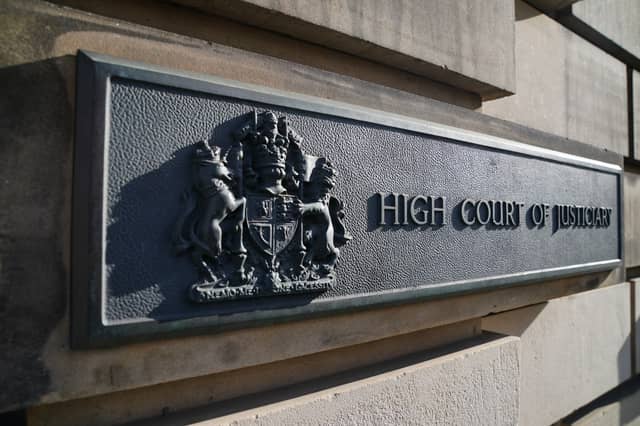

The courts service has warned that without extra funding the system will struggle to cope with a “sustained increase in serious and complex criminal business”.
Scotland’s justice system risks being “stretched beyond breaking point” after the court service warned a failure to receive more funding in next month’s Budget could result in longer waits for cases and “further pressure” on the nation’s swelling prison population.
A warning has been issued that Scotland’s court service is being left “unfit for the modern age” as it braces for around 3,000 high court indictments to come forward in the next financial year. The surge comes as reported crimes, particularly for sexual offences, has increased in Scotland.
SNP Deputy First Minister and Finance Secretary, Jenny Gilruth, will deliver her draft Budget on December 3 amid fears over a lack of funding from Westminster.
Court officials have told SNP ministers they require £195.8 million of resource funding in Ms Gilruth’s budget, despite an “indicative flat-cash Spending Review allocation of £153.5m”.
Ahead of the Scottish government’s spending plans being set out, the Scottish Courts and Tribunal Service (SCTS) has warned that it will need additional funding as the system grapples with a “sustained increase in serious and complex criminal business”.
In a stark submission to Holyrood’s criminal justice committee, Malcolm Graham, chief executive of SCTS, has told MSPs that receiving the same amount of funding as this financial year “would represent a significant real-terms reduction at a time of rising costs and demands”.

He added that “the composition of criminal business has changed”, warning that “summary scheduled trial volumes are below their pre-pandemic baseline, while High Court and sheriff solemn business remain substantially higher”.
“This is not a legacy of the pandemic”, Mr Graham warned.
“It reflects a fundamental shift in the nature and level of cases entering the criminal justice system – evidenced by data over the past few years and modelling which indicates that the trend is set to continue and to grow further.”
READ MORE: Scottish Legal Aid Board demands 'transformational change' in SNP government's overhaul of system
Mr Graham has told MSPs that if not enough funding is provided by SNP ministers, “the consequences could include longer waiting times, increased operational risk, higher future costs and a reduced ability to improve productivity and service outcomes”.
Forecasts show that High Court indictments in Scotland could exceed 2,700 this financial year, compared to just 935 in 2023-24. Next year, incitements could approach 3,000.
In response to the added pressures, High Court provision is being expanded to 26 courts each day from January - 10 more than the pre-pandemic position. As part of the overhaul, additional High Court sittings will take place in Airdrie and Dunfermline and at sheriff court premises in Edinburgh and Glasgow.
But Mr Graham has warned that “moving capacity between jurisdictions cannot provide a sustainable long-term solution”, adding that it “places continuing pressure on sheriff solemn business”.

He added: “Current modelling indicates that the average wait from pleading diet to an evidence-led High Court trial could rise from around 50 weeks to 135 weeks by 2028–29, compared with 22 weeks before the pandemic.
“Longer and less predictable journeys affect victims, witnesses, accused people and families, can reduce trial effectiveness as witnesses and parties disengage, and could place further pressure on remand and the prison population.”
The SCTS’s online data servers had been hosted at the Scottish government’s Saughton House data centre in Edinburgh, but the site is poised to close.
“We have now been asked to vacate the data centre and relocate all these systems and services”, Mr Graham said.
He has warned that without further funding from SNP ministers, “the migration of systems will not be able to progress – presenting a critical risk to the criminal justice system should the government continue with the proposed data centre closure”.
Mr Graham has also warned that SNP are yet to draw up plans to reform and modernise Scotland’s justice system and has warned that funding will be required for any overhaul.
He said: “SCTS has set out a clear plan to maintain essential services and deliver reform, reflecting service requirements, public expectations, Scottish Government requests and the public service reform strategy.
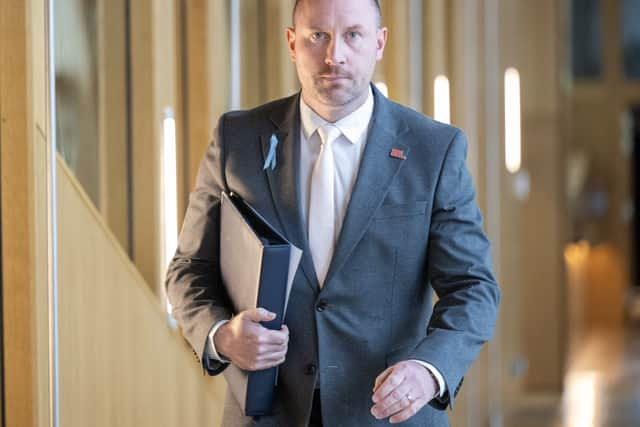
“The Scottish government’s own plan for coordinating and funding justice reform and modernisation is not yet clear.
“SCTS now seeks clarity on how its proposals will be supported within a coherent, funded programme of change across the justice system.”
Opposition MSPs have warned that the concerns raised by Scotland’s court service could have huge consequences for the delivery of justice.
Scottish Labour justice spokesperson, Pauline McNeill, said: “These warnings should set alarm bells ringing for the Scottish government. Scotland’s justice system is facing growing pressures, and the consequences of failing to provide the necessary funding will be felt by victims, witnesses and those waiting for their day in court.

“Longer waiting times for trials risk further undermining confidence in our justice system, while difficult choices over digital and cyber resilience could leave vital services exposed.
“The Scottish government must support the Scottish Courts and Tribunals Services’ invest to save fund proposal if they are serious about reducing court backlog. The proposal has been made but it is currently unclear whether the Scottish government will support it.
“The Scottish government cannot continue to ignore the mounting pressures facing our public services. Next month’s budget must deliver the investment needed to ensure Scotland’s courts can meet growing demand and deliver justice without delay.”
Scottish Conservative justice spokesman, Stephen Kerr, said: “This latest stark warning exposes how Scotland’s justice system will be stretched beyond breaking point if the SNP don’t invest in frontline services.

“Far too many victims are already waiting too long for the wheels of justice to turn, and the courts simply do not have the resources they need to get a grip on growing backlogs.”
He added: “It would be a total dereliction of duty if Neil Gray as justice secretary fails to listen to these calls and doesn’t fight for extra funding in the upcoming SNP budget.
“Two decades of SNP cuts has left Scotland’s court service unfit for the modern age.”
Scottish Lib Dems justice spokesperson, Yi-pei Chou Turvey, said: "Unless something changes, more indictments means longer waits.

“These waits will directly impact victims, who may feel less willing or able to engage with the process as more time passes following the initial crime.
“They will also drive up the numbers of prisoners who are being held on remand, worsening the prison overcrowding crisis and making it ever-more difficult for staff to work with inmates to cut reoffending.
“The SNP need to face up to this reality and produce a clear, credible plan for supporting our justice system."
Justice Secretary Neil Gray said: “We recognise the growing volume of serious cases which is why have invested in court capacity and reforms to expand digital evidence sharing capability, enabling police and expert witnesses to give evidence remotely, and ensure there are modern user-centred services which deliver best value for money and support the justice system.
“We will invest £11.6bn across the justice system in 2026-27 to 2028-29 to support frontline services, build safe communities, reduce crime and re-offending and support victims and witnesses. We will continue to work with Scottish Courts and Tribunals Service to discuss their 2027-28 budget requirements as part of the normal Scottish Budget process.”
Comments
Want to join the conversation? Please or to comment on this article.