
Exclusive:Demands for 'night courts' to clear Scotland's justice backlog
The Scottish Police Federation has called for courts to sit at night to get on top of the huge cases backlog in Scotland’s justice system.

The body representing police officers in Scotland has called for “night courts” to clear the backlog in the justice system and take pressure off frontline cops.
The Scotsman reported as part of its Justice Denied series that Scotland’s criminal justice system remains under intense pressure, with a remaining backlog of nearly 22,000 scheduled trials.
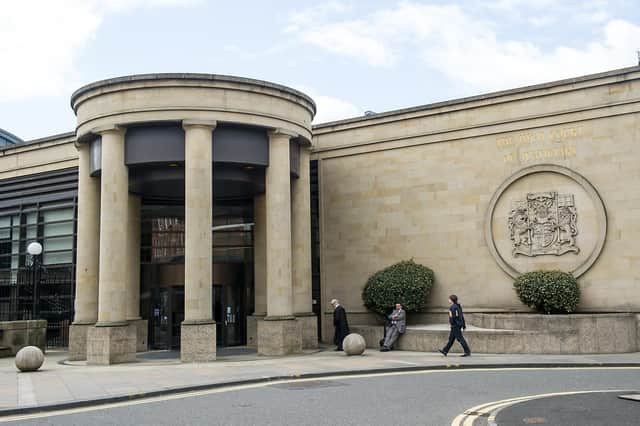

Concerns have also been raised over police officers spending a proportion of their time on duty waiting to attend court to give evidence instead of frontline policing.
Now David Kennedy, general secretary of the Scottish Police Federation, the union for police officers in Scotland, has called for what he branded “night courts” to be introduced.
Speaking at the Scottish Labour conference in Glasgow, Mr Kennedy, suggested that to keep pace with policing and criminality, the backlog will never be alleviated without the court system extending its opening hours.
Courts in Scotland have different operating times but generally sit within traditional 9am to 5pm hours.
Mr Kennedy said: “Policing and criminality is 24/7, yet we've got a court system that does a 9-5. The maths of that don't add up.
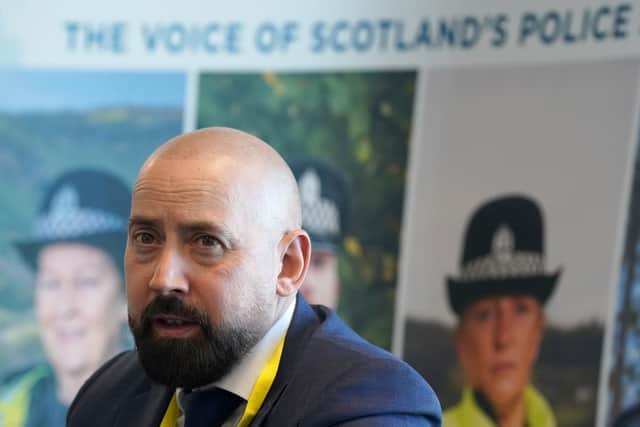
“So you're always going to be fighting against a backlog. Unless you actually weigh up and get the priorities right where everything is getting done in time, we're always going to potentially have this backlog - we're never going to get rid of it.”
He added: “Policing is 24/7, criminals are 24/7. We need to look at the working day of the court, the people that look at the cases in the court system.
“We've advocated to have a fiscal within the police office so if somebody's brought in, they actually make a decision there and then.”
Mr Kennedy said this would open the possibility of “direct justice there and then” in some cases.
He added: “I genuinely think we do have to look at that because the science tells you you're always going to have it (a backlog) if you don't play catch up properly.”
Scottish Police Federation chairman David Threadgold added that officers are “trying to serve the communities in Scotland and keep them safe”.
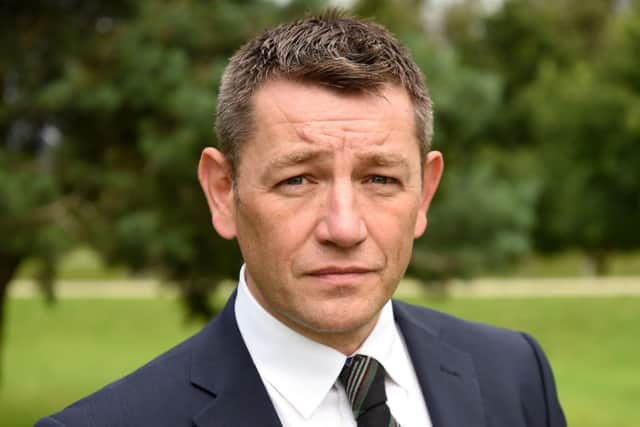
He added: “I promise you we are doing that sitting in some waiting room waiting to go into court somewhere.”
But the professional body for solicitors in Scotland has warned the establishment of a “night court” is not realistic.
Stuart Munro, the convener of the Law Society of Scotland's criminal law committee, said: "Police are a vital part of our criminal justice system and should be supported to do their jobs effectively and efficiently. However, applying their working patterns to the courts and wider justice sector makes little sense.
"Scottish criminal courts regularly run outside standard business hours, including late into the evening and on public holidays, and any suggestion otherwise bears no resemblance to the longstanding reality for people working in our courts.
“The backlogs in our system relate overwhelmingly to trials and not the initial steps after someone is arrested.
"In simple terms, there are not enough criminal solicitors and other justice sector personnel to keep our courts running efficiently now.
“Running additional courts at night and over the weekend would come at considerable extra cost. Even if such costs could be met, a more sensible proposal would be to run additional court hearings during business hours to reduce the overall pressure on the system."
Scottish Conservative shadow justice secretary, Liam Kerr, said the proposals “lay bare the crisis facing Scotland’s courts under the SNP”.
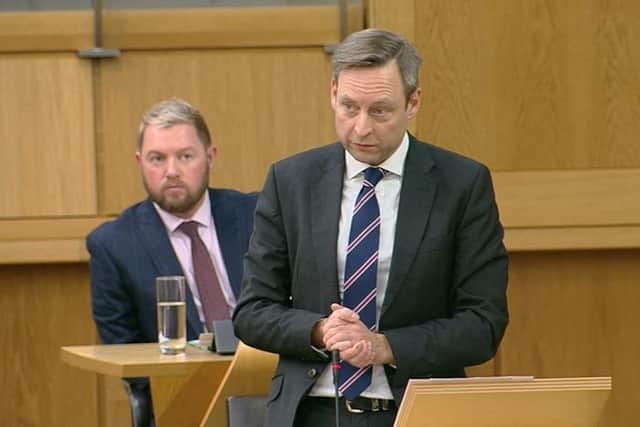
He added: “It should never have reached the point where frontline officers are suggesting through the night sittings to try and deliver justice for victims.”
Scottish Labour Justice spokesperson, Pauline McNeill, warned that “victims of crime are being left in limbo for months and even years on end waiting for justice”, adding that “our policing and prisons are being put under added pressure by these long waits”.
A spokesperson for the Scottish Courts and Tribunals Service, said: “We understand the impact delays have on everyone involved in the criminal justice system.
“Through the criminal court recovery programme the number of scheduled trials has reduced from nearly 44,000 to just over 21,000. We are now dealing with a substantial increase in court business which is placing pressure on a system with finite capacity.
“SCTS and justice partners are currently not resourced to facilitate the extension of the hours at which courts sit.
“We will continue to look at innovative solutions to alleviate the pressures on the system, such as the Summary Case Management initiative, which has significantly reduced the number of summary trials through, early disclosure of evidence and better case management.”
Justice Secretary Angela Constance said: “I recognise the impact that delays in the justice system can have. The number of outstanding scheduled trials has fallen by more than 50 per cent since January 2022 and we continue to support justice partners to address the backlog.
“The 2025-26 Budget, if passed by Parliament, includes £20.3 million for justice recovery, building on funding of over £181.3 million for justice recovery, renewal and transformation activity since 2021.
“A successful pilot approach to summary case management to bring earlier resolution to victims and witnesses is being rolled out nationally, as is the Scottish Government’s £33 million Digital Evidence Sharing Capability initiative, which has seen cases coming to court and concluding more quickly.”
Comments
Want to join the conversation? Please or to comment on this article.