
Exclusive:Epidemic of violence against women won’t end without societal shift - says former top prosecutor
Scotland is facing a ‘real problem in young men with misogynistic approaches to relationships’ from ‘a depressingly young age’, experts have warned
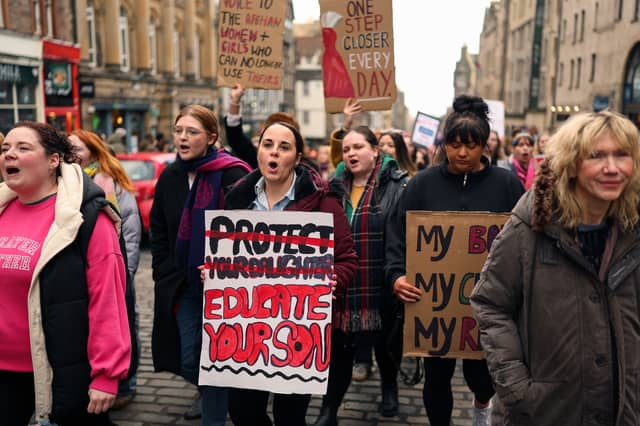


The Crown’s outgoing chief prosecutor for sexual offences has said the nation’s “epidemic” of harm against women and girls will not end without wholesale change in the “raw attitude towards sex and sexual violence in Scottish society”.
Paul Harvey KC, who was the assistant principal Crown counsel at the Crown Office and Procurator Fiscal Service (COPFS) during Dorothy Bain KC’s time as Lord Advocate, issued the stark warning that the justice system alone cannot halt the rise in sexual offences Scotland is experiencing.
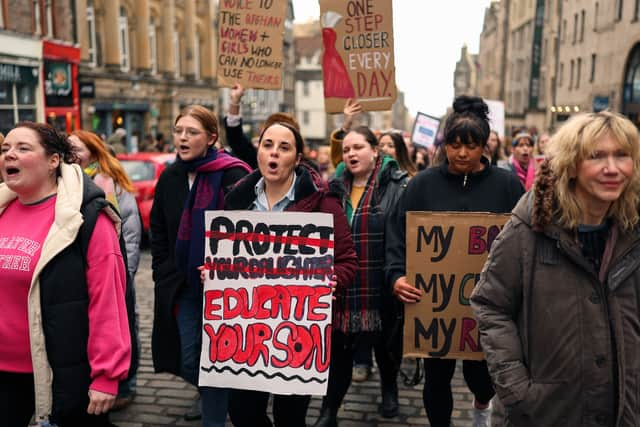
Mr Harvey told Scotland on Sunday it will take a widespread behavioural change and a blunt recognition about illegal acts in the bedroom to move the dial on women and girls being better protected from harm.
First Minister John Swinney has pledged his “personal leadership” on tackling violence against women and girls, but survivors are facing waits of up to three years for justice as Scotland’s court system is expected to be put under severe pressure over the next two years as Covid-era time limits on cases expire.
READ MORE: Crown warns victim service and support for unsolved cases set for cuts without SNP funding boost
Rape and attempted complaints to the police in Scotland have increased by 32 per cent in the space of just four years.
Mr Harvey, who was the lead prosecutor under Ms Bain for sexual crimes and domestic abuse, said there is “always more that can be done” to improve the experience for survivors navigating Scotland’s justice system.
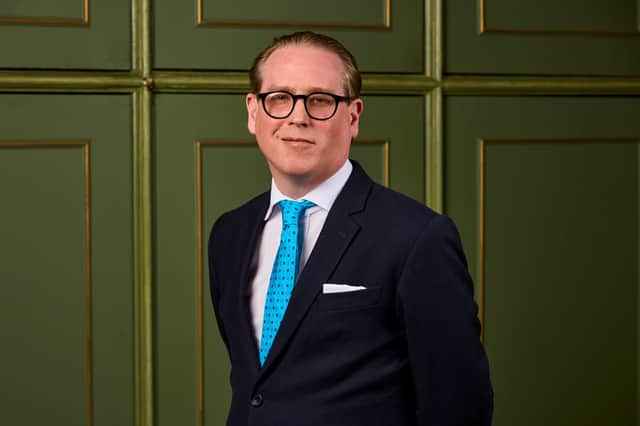
“Dorothy Bain when she was Lord Advocate, was the first, I think, to say that there is no question that Scotland is facing an epidemic of sexual offending”, he said.
“The fact that we've so many cases going through the system is in one way positive because it's a generation of women with the courage and support to speak out.
“But at the same time, I think it's appropriate that Scottish society has to confront the fact that it is facing this epidemic.
“It's not going to change just through prosecutions, there’s a raw attitude towards sex and sexual violence that needs to change in Scottish society, particularly in young men.”
He added: “I think the increased availability of pornography and more violent pornography is creating ideas in young men’s heads that they simply shouldn't have about sex.
“There needs to be an education that things they see on the internet are not just unacceptable, they’re actually illegal.
“One of the cases I was very proud to have done with the Crown was two cases that actually established that things like strangulation are not just unacceptable, but illegal and you just can't consent to them, and they just should not be practised.”
Tony Lenehan KC, the vice dean of the Faculty of Advocates and a defence counsel, told Scotland on Sunday there “isn’t an easy answer” to the delays in the justice system, warning that “it’s not a good situation” for complainers of sexual violence cases.
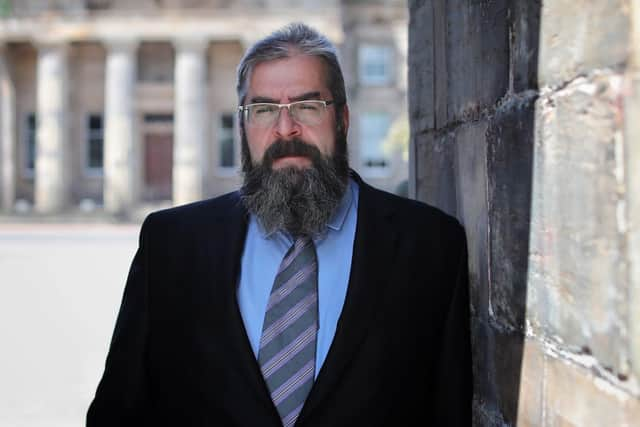
Mr Lenehan has led a programme in Scottish high schools focused on sexual consent and the legal consequences of offending.
“One of the reasons why we go and speak to the schools is because it isn't widely known that things which would constitute an assault in the street are also an assault in the bedroom”, he said.
“You can't consent to aggressive hair pulling and choking and things like that. People don't really seem to know that.”
He added: “From the point of view of a high court practitioner, there is a real problem in young men with misogynistic approaches to relationships.
“We see this in the high court all the time from people of a depressingly young age, so something needs to be done about that.
“If I look at it from the perspective of the young male, it is changing the course of their lives too in a way that probably some of them don't appreciate when they set off down that path.
“You need to know how easy it is to be convicted of this once you've started treating girlfriends as something less than equals or before you know it, you're going to be in front of someone like me, and that's not good news.”
With Scotland facing a surge in sexual violence, concerns have been raised about the level of support is being offered to survivors engaging with a justice system facing intense pressures.
Rape Crisis Scotland external affairs manager, Nicola Love, said: “Survivors talk about delays and waiting times as being one of the biggest barriers to navigating the criminal justice system. Those waits are as bad as they’ve ever been.
“We can’t accept that as business as usual – getting to a place where it does not take three years for a rape case to conclude must be a priority.”
READ MORE: Scotland’s sexual violence survivors to access free legal advice as victims ‘put on trial’
MSPs improved the rights of survivors in last year’s flagship Victims, Witnesses and Justice Reform Act. But large parts of the legislation have not yet been followed through with implementation.
“That needs to move more quickly”, Ms Love said.
“Access to the justice system is incredibly important, but we cannot criminalise our way out of what is a deeper societal problem.
“We need to put time, resources, investment into primary prevention to stop sexual violence before it starts.
“If we remain on the backfoot, we will always be a step behind where we need to be to achieve meaningful change towards violence against women and girls.”
Sandy Brindley, lecturer in criminal justice and associate director of the Solace project at Glasgow University that now offers survivors free independent legal advice, has warned that victims are still waiting to be granted automatic lifelong anonymity - a right they have south of the Border.

“There’s been this real gap that’s left complainers with a lot of anxiety about being named online or jigsaw ID”, she warned.
“At the moment, there’s very little legal redress for that. That’s something that I think will make a huge difference for complainers once that provision comes in. That seems to be one of the most urgent provisions we need to see.”
SNP victims minister, Kirsten Oswald, said implementing all the measures in the legislation “won’t all happen overnight”, but stressed an ambition to “make an immediate difference”.
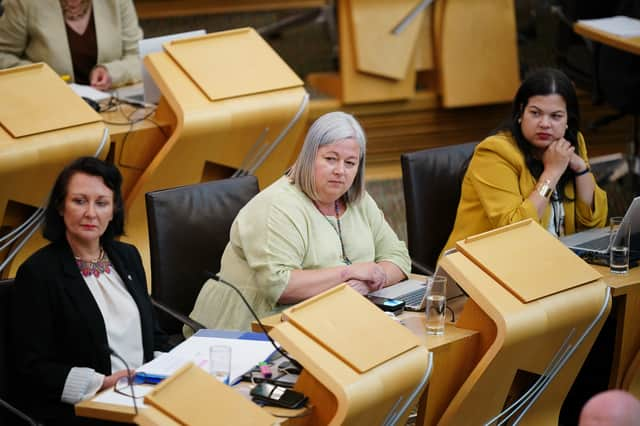
She added: “There is not one easy fix for what is a significant societal problem way beyond Scotland, but we want to deal with it here, whether that's in person or the online space.”
It is understood that legislation at a UK level is required to ensure comprehensive anonymity for victims of sexual offences, which is expected to be in place next year.
Asked whether the system is working for survivors waiting up to three years for justice, Ms Oswald said: “We don't want people to have an undue delay.
“I think we accept that and we'll continue to work with partners to try and improve things like waiting times for people and also to support them through this process.”