
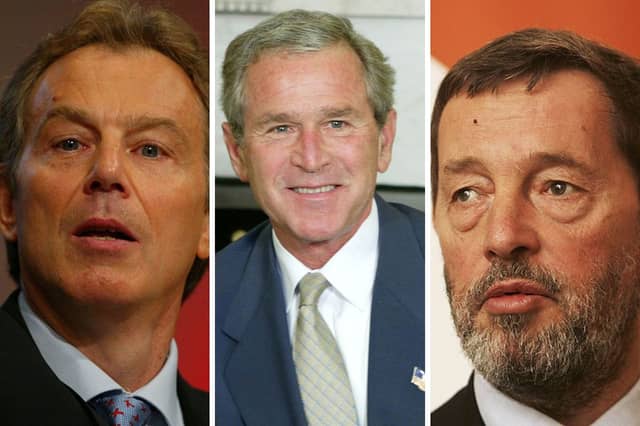

Now that Humza Yousaf has announced he is to step down as First Minister of Scotland and SNP leader the race is on to find his successor.
One of the favourites to take on the job is John Swinney, who previously led the SNP from 2000-2004, before serving as Deputy First Minister under Nicola Sturgeon from 2007-2023.
If he does decide to throw his hat in the ring - and is elected - he’ll be leading his party against a very different political backdrop than when he previously did so two decades ago.
It was the year when Mark Zuckerberg launched Facebook, Athens hosted the Olympic Games, NASA landed rovers on Mars, Usher’s Confessions was the biggest selling album of the year, and the most-watched television broadcast of the year was the England v Portugal game in Euro 2004.
Meanwhile, these were the political leaders in charge of governments, cities, countries and parties.
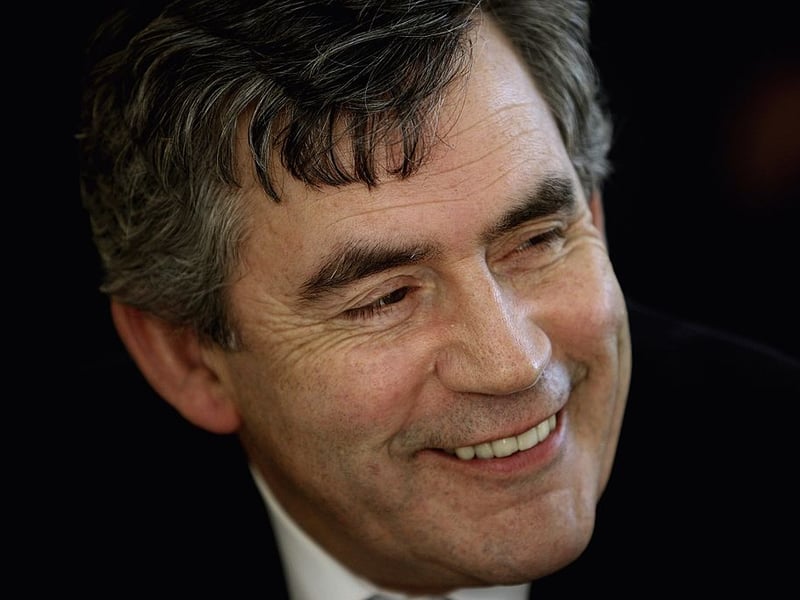
9. Chancellor of the Exchequer
Fifer Gorden Brown was Chancellor of the Exchequor in 2004 - serving alongside Tony Blair as Prime Minister. He was Chancellor from 1997 to 2007, before becoming Prime Minister from 2007-2010. He stepped down after the 2010 general election, where Labour lost 91 seats resulting in a hung parliament and the Conservatives forming a coalition government with the Lib Dems. He continued to represent the people of Kirkcaldy and Cowdenbeath until giving up his seat in 2015. | Getty Images
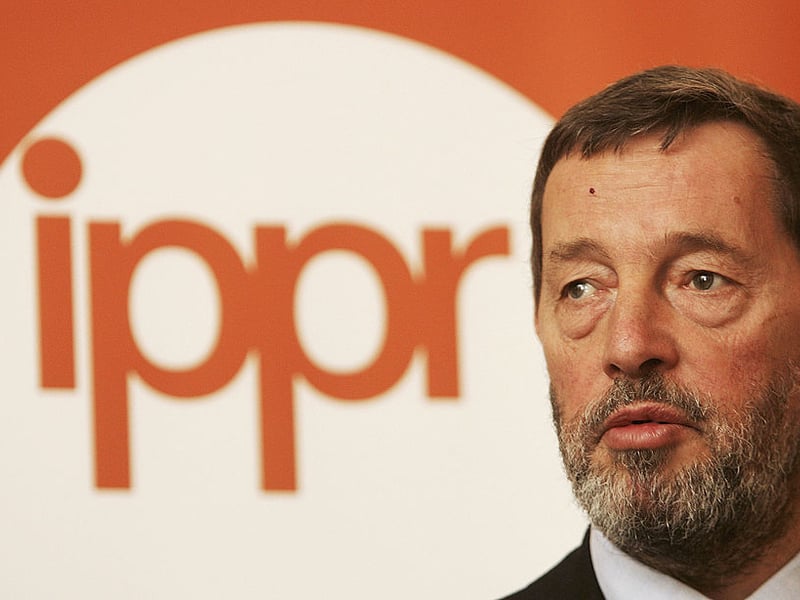
10. Home Secretary
Back in 2004 David Blunkett was serving as Home Secretary under Prime Minister Tony Blair. He was promoted to the position following Labour's 2001 general election victory and dealth with the fallout from the 9/11 terrorist attack. He resigned as Home Secretary in December 2004 following allegations that he helped fast-track the renewal of a work permit for his ex-lover's nanny. He stood down as an MP in 2015, when he was awarded a peerage, becoming Baron Blunkett of Brightside and Hillsborough in the City of Sheffield. | Getty Images