
Over 40,000 waiting more than 24 hours in A&E as nurses warn of 'high risk to patients'
The next Scottish health secretary is appointed later this week, and there is already great demands from the sector as A&E waiting times soar and nurses warn of increased danger to patients.
More than 40,000 people have been forced to wait in A&E for more than a day, according to new statistics.
Figures show there were more than 41,600 waits of over 24 hours in Scotland’s emergency departments between 2021 and 2025.
On top of this, around a third of patients are waiting more than four hours for treatment, with thousands having to wait more than eight hours every single week.
It comes as nurses warn of a “high risk of harm to patients” due to “unsafe” gaps in the workforce alongside an increasing need for complex care.


All of this means a busy in-tray for whoever becomes the next health secretary this week.
The number waiting over 24 hours in A&E has increased almost every year since 2021 as well. The statistics show this happened to 864 patients in 2021, and jumped to 7,168 in 2022 and 7,668 in 2023.
It almost doubled to 13,336 in 2024 and then fell slightly to 12,571 in 2025.
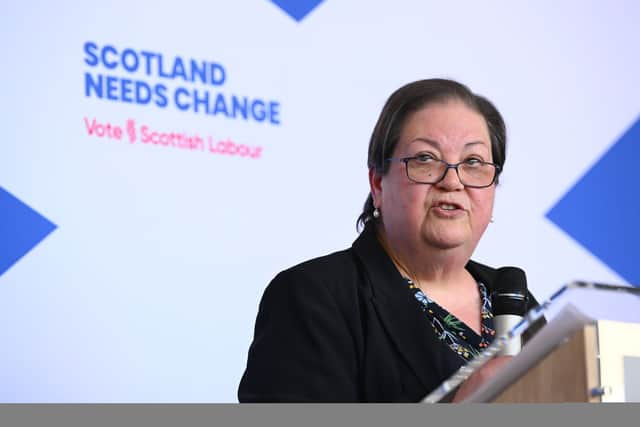
Dame Jackie Baillie MSP, Scottish Labour’s health spokeswoman, said her party will “continue to press the SNP for action on this crisis”.
She said: “The crisis in Scotland’s A&E is leaving patients to suffer, piling pressure on exhausted staff and putting lives at risk.
“John Swinney and the SNP promised to take action on this issue and they need to deliver or lives will continue to be lost.
“Real action to tackle dangerous A&E waiting times must be an urgent priority for this SNP government.”
The statistics come as the Royal College of Nursing said government ministers are “too often failing” when it comes to keeping people safe in hospitals.
Colin Poolman, executive director of RCN Scotland, said despite legislation in 2024 setting out safe staffing levels, “nursing shortages continue to have a damaging impact, with many nurses caring for unsafe numbers of patients”.
The college is calling on the new government, which is due to be appointed later this week, to “prioritise investment which acknowledges and values the vital contribution of nursing to the health of the nation”.
Mr Poolman said: “Failure to act is now no longer an option as, with increasing risk of harm to patients, inaction will lead to inevitable consequences for patients and staff.”
Eighty-two per cent of nurses told an RCN Scotland survey that the clinical complexity of their work has increased in the past two years.
The survey also found that less than one in 10 nurses think staffing is at the right level for all of a patient’s needs to be met, while 76 per cent said limited time and resources mean “difficult decisions” about prioritising care need to be made on a regular basis.
One nurse working on a general acute ward said they have to deal with “multiple competing priorities” while on shift including managing deteriorating patients, completing essential observations, and giving out medication, while also responding to “urgent clinical changes”, answering phone calls and updating documentation.
The nurse said: “In this environment, nursing care becomes task-driven and reactive.
“There is little opportunity for comprehensive assessment, preventative care, patient education, or meaningful interaction - all of which are fundamental components of safe and effective nursing practice.”
Another nurse said: “Working in a sustained high-stress environment where there is no capacity buffer is not a safe or sustainable model of care.
“It increases the likelihood of missed care, delayed interventions, and moral distress among staff who are unable to provide the standard of care they are trained to deliver.”
Mr Poolman added: “When NHS nursing staff in Scotland say there is a high risk of harm to patients because staffing is below what is needed, the government must act.
“Scotland’s population cannot afford for them to be complacent to rising, dangerously unmet levels of patient need.”
He added: “The continued gaps in the registered nurse workforce are always unsafe, but the risk is being compounded by the demands of delivering ever more complex care to an ageing, sicker population, with multiple conditions.
“It is the Scottish Government’s first priority to keep its citizens safe, but our analysis and the testimony of nursing staff show ministers are too often failing in this most basic task.”
He said the RCN continues to have “significant concerns” that workforce planning is “unfit for purpose and underestimates the staffing establishment needed”.
Michelle Campbell MSP from the SNP said: “The SNP deeply value the incredible impact that all our hardworking nurses make in Scotland’s NHS and in social care settings every single day.
“Under the SNP, the number of nurses and midwives working in our NHS is up by over 21 per cent and band five nurses in Scotland are the best paid anywhere in the UK.
“We established a new nursing and midwifery taskforce to address recruitment and retention challenges and are fully committed to taking forward its actions to improve the profession and make nursing an attractive and rewarding career.
“The reality is our current social care system is under pressure because of Brexit and the recruitment issues that has presented - something that the Labour UK government has made worse.”
She added: “Our social care system needs to work better for everyone and under John Swinney’s strong leadership we’ve seen what can be achieved within our NHS - long waits are down, GP numbers are up and thousands more operations are being performed.
“The new SNP government will apply that same focus to social care and through a fresh start of independence we can build a migration system that actually works for Scotland’s needs.”
A Scottish Government spokeswoman said: “As previously stated, our A&E departments are facing sustained pressures, health boards continue to report high levels of hospital occupancy which is impacting on patient flow and leading to delays at the front door.
“The situation is not unique to Scotland with all other UK nations experiencing similar pressures. Long waits of this nature are unacceptable and we are determined to reduce these occurrences.
“We are investing £220 million to reduce waiting times, improve hospital flow and minimise delayed discharges.
“This investment has supported the development of front door frailty services in every health board in Scotland and the expansion of hospital at home capacity to at least 2,000 beds by the end of 2026.
“In addition, Scotland became a world leader in enshrining safe staffing legislation. The aim of The Health and Care (Staffing) (Scotland) Act 2019 is to be an enabler of high-quality care and improved outcomes for service users in both health and care services by helping to ensure appropriate staffing for high quality care.”
Comments
Want to join the conversation? Please or to comment on this article.