
BBC boss Tim Davie and head of news Deborah Turness resign over Donald Trump documentary editing
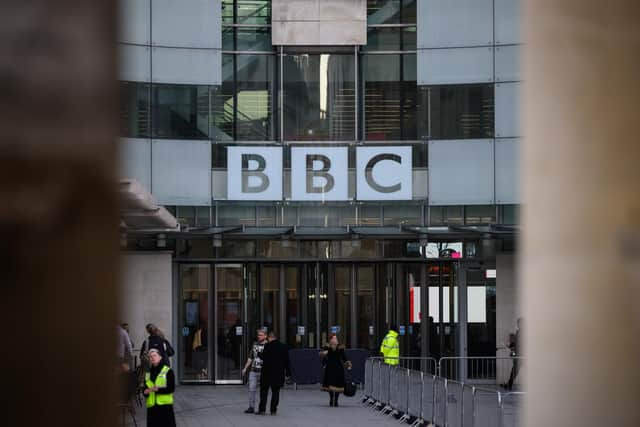
Director-general Tim Davie has resigned from the BBC, the corporation has announced.
The public broadcaster has also announced the resignation of chief executive of news Deborah Turness in the wake of concerns about impartiality, including how a speech by US President Donald Trump was edited in an episode of Panorama.
UK culture secretary Lisa Nandy had earlier said she was “confident” BBC bosses were treating allegations of bias with “the seriousness that this demands”.
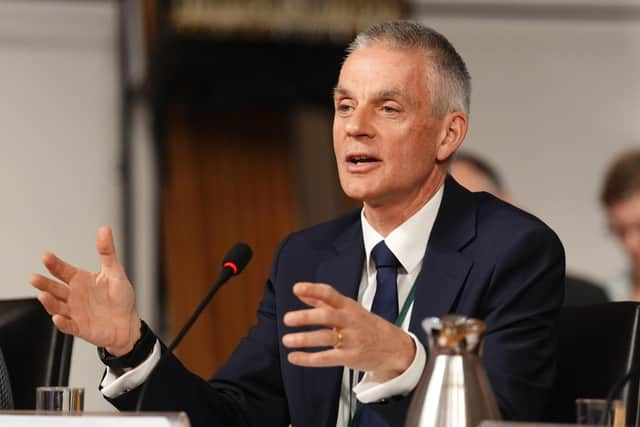
Mr Davie said in a statement: "I wanted to let you know that I have decided to leave the BBC after 20 years. This is entirely my decision, and I remain very thankful to the chair and board for their unswerving and unanimous support throughout my entire tenure, including during recent days.

"I am working through exact timings with the board to allow for an orderly transition to a successor over the coming months.
"I have been reflecting on the very intense personal and professional demands of managing this role over many years in these febrile times, combined with the fact that I want to give a successor time to help shape the charter plans they will be delivering.
"In these increasingly polarised times, the BBC is of unique value and speaks to the very best of us. It helps make the UK a special place; overwhelmingly kind, tolerant and curious. Like all public organisations, the BBC is not perfect, and we must always be open, transparent and accountable. While not being the only reason, the current debate around BBC News has understandably contributed to my decision.
"Overall the BBC is delivering well, but there have been some mistakes made and as director-general I have to take ultimate responsibility."
His resignation comes after The Telegraph reported on Tuesday that a memo by Michael Prescott, a former external adviser to the BBC’s editorial standards committee, raised concerns in the summer.
Ms Nandy told the BBC’s Sunday With Laura Kuenssberg show: “I have discussed the range of issues that were raised in the email that was leaked to the BBC.
“It isn’t just about the Panorama programme, although that is incredibly serious.
“There are a series of very serious allegations made, the most serious of which is that there is systemic bias in the way that difficult issues are reported at the BBC.”
Since the internal memo was revealed, the Culture, Media and Sport (CMS) Committee demanded information from Mr Shah and asked what action he will take to address the concerns.
Ms Nandy added: “I do want to see that response to the select committee, and I will, of course, consider it and have further conversations with them about the action that they’re taking.”
The concerns regard clips spliced together from sections of the US president’s speech on January 6 2021 to make it appear he told supporters he was going to walk to the US Capitol with them to “fight like hell” in the documentary Trump: A Second Chance?, which was broadcast by the BBC the week before last year’s US election.
Ms Nandy also said the corporation has a tendency to use inconsistent language.
She said: “What tends to happen at the BBC is that decisions about editorial standards, editorial guidelines, the sort of language that is used in reporting is entirely inconsistent.
“It doesn’t always meet the highest standards. It’s not always well thought through, and often it’s left to individual journalists or newsreaders to make decisions.
“That’s something that I have discussed at length with the director-general and the chair, and something that I expect them to grip.
“My second concern about the BBC is that increasingly, they’re operating in a news media environment where news and fact is often blurred with polemic and opinion, and I think that is creating a very, very dangerous environment in this country where people can’t trust what they see.”
Following the leaked memo, a row erupted between Boris Johnson and BBC presenter Nick Robinson after the former prime minister accused the broadcaster of arrogance over claims of a political campaign to “destroy” the corporation.
The BBC Radio 4 presenter said on the Today programme there was a “genuine” concern regarding the broadcaster’s editorial standards and mistakes, however he believes there is a “political campaign by people who want to destroy the organisation”.
Mr Johnson told the Mail On Sunday: “There is a difference between trying to destroy the BBC and trying to hold it to account.
“This is just a diversionary tactic from an organisation that is too arrogant to think it might be at fault.”
Mr Robinson hit back in a post on X, saying: “Hands up all those who think (Boris Johnson) is well placed to lecture anyone else on upholding standards (and) admitting mistakes.”
The leading presenter was backed up by fellow senior BBC journalist John Simpson, who said his initial remarks had been “exactly right”.
Comments
Want to join the conversation? Please or to comment on this article.