
Exclusive:Andy Burnham urged to use 'pivotal' Budget to hand North Sea oil and gas an investment future
Oil and gas bosses have warned this month’s Budget could shape the future of the North Sea and unlock billions of pounds of energy investment.



Energy chiefs have warned Andy Burnham’s government that its budget later this month will be a “pivotal moment” for the North Sea - amid a warning the Chancellor’s decisions “will shape investor confidence for years to come”.
The UK Labour government is under pressure from the oil and gas industry and its political rivals to change course on the party’s manifesto pledge to end new fossil fuel licences in the North Sea.
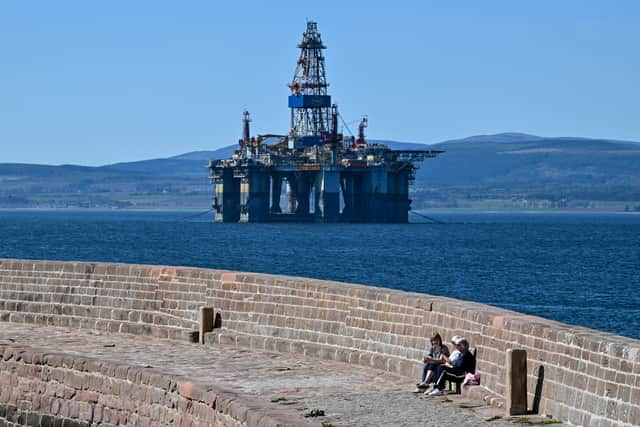
Mr Burnham and Chancellor John Healey are also facing persistent calls to use the Budget to bring forward the UK government’s planned reforms of the controversial energy profits levy from 2030 to this January to “unlock investment” in the North Sea.
Labour’s vow to end new licensing was a key part of Sir Keir Starmer’s manifesto ahead of the 2024 UK general election, with climate scientists warning that any new fossil fuel developments are not consistent with attempts to keep the warming of the planet below dangerous limits.
But political opponents, including the SNP, and fossil fuel giants have seized on the changing geopolitical landscape - particularly with conflict in the Middle East - in calling for the UK government to rethink its position amid calls for Britain to produce more of its own energy.
With Aberdeen-based oil and gas companies shedding hundreds of jobs over the last year, the UK government is also facing pressure to use the October 28 Budget to bring forward the planned reforms to the so-called windfall tax or energy profits levy, introduced by the Conservatives in 2022, from 2030 to this January.

The industry believes that reforming the energy profits levy next year and approving the Rosebank oil and Jackdaw gas developments, which do not require fresh exploration licences, would unlock a pipeline of projects - with claims around £50bn of investment and £13bn of tax receipts could be tallied up.
But opponents have warned that handing the North Sea fossil fuels industry a tax cut at the height of the ongoing energy crisis would raise £8.6bn less in revenues if oil prices remained at around $100 a barrel.
READ MORE: What will GB Energy actually do for Scotland's renewables future amid row over Aberdeen HQ jobs
Offshore Energies UK (OEUK) energy policy director, Enrique Cornejo, said: “The Budget is an opportunity for the UK government to support the domestic production of oil and gas over imports.
“Decisions taken will shape investor confidence for years to come, influencing where capital is deployed and whether the UK can meet at least half of our demand for oil and gas instead of a third.
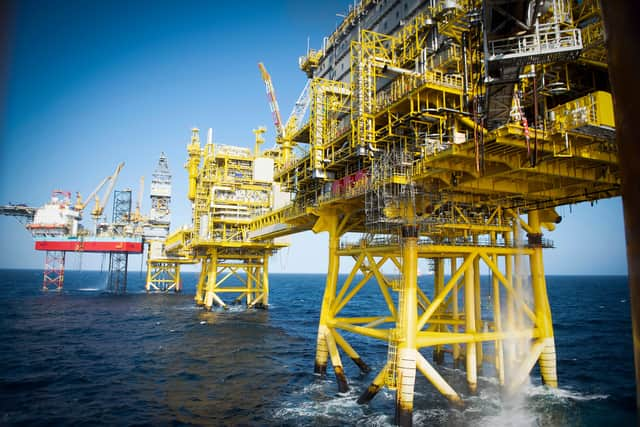
“Implementing the oil and gas revenue levy in January 2027 will unlock this investment and ensure that we produce more of the energy we need at home, improving our energy security and resilience."
Russell Borthwick, chief executive of the Aberdeen and Grampian Chamber of Commerce, said: “This Budget will be a pivotal moment for the North-east and for the future of the UK’s energy security.
“The prize for getting these decisions right is enormous. An early reset of North Sea policy could unlock £50bn of additional investment, generate more than £13bn in tax revenues over the next decade and support tens of thousands of jobs.
“The Chancellor should end the energy profits levy at the end of this tax year and move to the permanent oil and gas price mechanism from April. That would send a powerful signal to boardrooms here and around the world that Britain is once again serious about attracting investment."
The appeal comes after the Conservative shadow Scottish secretary claimed that a refusal to greenlight the Jackdaw and Rosebank projects would mark “the end of the oil and gas sector”.
Harriet Cross, who is also the Tory MP for Gordon and Buchan in Aberdeenshire, warned that a UK government decision to block the fossil fuel projects could drive energy firms out of the country.
It was reported last month that UK ministers were ready to approve plans to produce gas from the Jackdaw field, off the coast of Aberdeen.
UK Conservative leader Kemi Badenoch used a speech at her party’s conference to fuel speculation the Labour government is keeping its decision under wraps until after a parliamentary by-election later this week.
Speaking at the Conservative Party conference in Birmingham on Monday, Ms Cross said the “confidence of the sector” was at stake.
“If Rosebank and Jackdaw are not permitted, you can pretty much guarantee that that is the end of the oil and gas sector,” she added.
“No company is obliged to invest in the UK. No company is obligated to keep producing in the UK.”
Ms Cross said energy firms would develop their businesses elsewhere in the world “if they can get better returns, better conditions, and have actually more liberty abroad”.

Mrs Badenoch on Sunday called for the country to have “clean, cheap abundant energy”, claiming that the net zero by 2050 target was driving the country to increase its carbon emissions by importing fuels “from places where they drill in a very dirty fashion”.
She added: “But Andy Burnham is too scared because he wants to win a by-election in Holborn and St Pancras and not scare off the Green Party voters, so he won’t do what even he knows is right, which is allow the drilling of oil and gas in our North Sea.”
Evidence shows that the UK’s reliance on imported gas, not renewables, is driving up energy bills.
A UK government spokesperson said: “We’re giving the sector and its investors the long-term certainty to plan, invest and support jobs with plans to replace the energy profits levy when it ends by 2030, or earlier if its price floor is triggered.
“We are also making sure the North Sea has a prosperous and sustainable future through record investment that helps deliver the next generation of skilled jobs while growing the clean energy industries of the future.”
Comments
Want to join the conversation? Please or to comment on this article.