
Scotsman Obituaries: Dairmid Gunn OBE, naval officer and agricultural leader
Dairmid Gunn OBE, naval officer and agricultural leader. Born: 29 June 1933 in Edinburgh. Died: 25 January 2026, aged 92
Lieutenant Commander Dairmid Gunn OBE, a fluent Russian speaker and key figure in fostering cultural understanding between Scotland and Russia, has died aged 92.
His career combined naval service, diplomatic postings, and senior roles in the agricultural sector, alongside long-standing involvement in cultural and literary organisations.
He was born in Edinburgh on 29 June 1933. His father, John William Miller Gunn, was an inspector of schools, and his mother, Joan Mackay, a primary school teacher. His family roots lay in the Highlands, in Caithness and Sutherland, and he was the nephew of the Scottish writer Neil Miller Gunn, whose work he championed throughout his life.
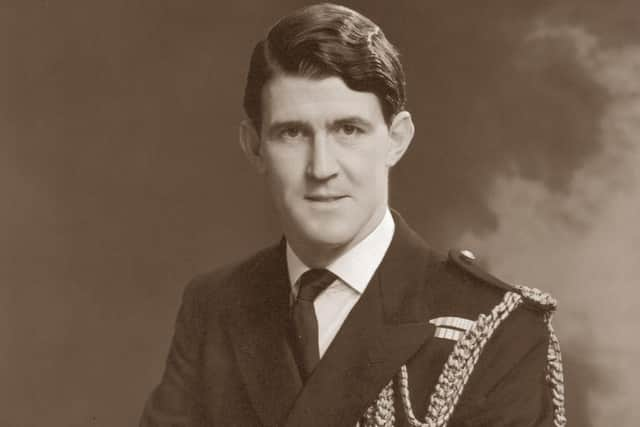

Dairmid entered the Royal Naval College, Dartmouth, in 1949 as an officer cadet. His naval career spanned more than 20 years, including active service in Korea, Cyprus and Suez, as well as service in the Mediterranean fleet in Malta and the Far East fleet in Singapore. Service reports repeatedly described him as capable, conscientious and with a notable charm and sense of humour. A defining feature of Dairmid’s career was his command of languages and his sensitivity and skill in intercultural communication.
He studied Russian and French, spending time in Paris with a Russian émigré family, where he absorbed an older, aristocratic register of Russian which he later adapted for his diplomatic work.
Dairmid was drawn to the visual and soul-felt aspect of the Russian language, recalled Edinburgh-based artist and friend Maria Rud, noting his belief in a shared sense of kinship and a deep connection to the land in both Russian and Scottish traditions.
“He didn’t just speak a language – he felt it,” said his long-term friend, the French sculptor Nathalie Govi.
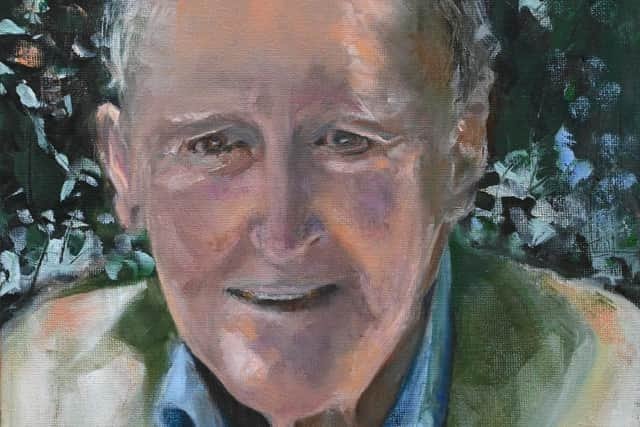
Selected for his language skills, he served in the 1960s as Deputy Naval Attaché in Moscow and Helsinki during the height of the Cold War. “I could not have wished for a better interpreter or a more helpful and intelligent companion,” remarked Admiral Sir John Frewen in a service report from 1966. Dairmid “…showed sound judgment and wisdom beyond his years.”
Before leaving the Royal Navy in 1973 he served on HMS Hermes, on operations off Korea (including HM Ships Glory and Newcastle), in Malaya and Cyprus (HMS Solebay), and at Port Said aboard HMS Bastion, before joining the staff of the Commander Far East Fleet as Fleet Communications Plans Officer.
Following his naval career, Dairmid established himself in Scottish public life, becoming the Deputy Chief Executive and later Chief Executive of the Scottish Agricultural Association Society (SAOS), an agricultural cooperative supporting Scottish farmers. Dairmid believed the cooperative movement to be a valuable means for farmers to “survive without loss of dignity”.
He coordinated the British Food and Farming Campaign in Scotland and the Scottish Farm project at the Glasgow Garden Festival, and was awarded the OBE in 1989 for his contribution to national food and farming initiatives. He later described his time with SAOS as “one of the happiest periods of my working life”.
He brought his deep sensibility for language and the Classics even to his professional writing. In a farewell piece for Farming Business in June 1984, he wrote: “I had heard the Organisation described as a type of French Foreign Legion entrusted with a task that the Government wished performed. The concept indeed enshrined the ideal of a service allocated to others.”
After retiring in 1984, Dairmid was able to focus on his literary interests, particularly the works of his uncle Neil Miller Gunn. As his literary executor he worked to preserve and promote his uncle’s legacy, writing articles, contributing introductions and speaking at literary events including the Edinburgh International Book Festival.
His engagement with Russia and Scottish-Russian cultural relations was a defining thread of his life. His fluency in Russian, combined with a deep admiration for its culture and people, led him to serve as chairman and vice-president of organisations including the Scottish branch of the GB-USSR Association and the Scotland-Russia Forum. In recognition of his significant contribution to cultural exchange, he was awarded the Pushkin Medal by the Russian government in 2018. At a farewell ceremony in Edinburgh, the Russian Consul General, Denis Moskalenko, paid tribute to him as “a man of outstanding personality,” noting his knowledge of Russian literature and his efforts to foster understanding between Scotland and Russia, including his work Cold Seas and Warm Friendships, documenting the experiences of Scottish participants in the Arctic convoys on their hazardous trips during the Second World War to bring supplies to the Soviet Union.
He was a long-standing member of the Royal Scots Club in Edinburgh, which became a second home. He regularly attended lunches, lectures and events at the premises, where he spoke on literature and Russian culture and history.
He also served as Chair on the Council of the Edinburgh Sir Walter Scott Club, delivering lectures, primarily focusing on the intersections of Scottish and Russian literary and cultural life.
He is remembered for his charm, humour, warmth and understated wisdom. Notably punctual, a favourite family saying of his was: “Punctuality is the politeness of princes.” He was known for putting people at ease and listening deeply, and visitors often left feeling they had found “a kindred spirit”.
Dairmid met his future wife, Dr June Mary Naudi, in Malta, where they married in 1960. They separated in 1994, and he later shared a close companionship with Pamela Riddle until her death in 2019. He is survived by his son Lachlan, daughters Natasha and Iona, and six grandchildren.
Lieutenant Commander Dairmid Gunn OBE will be remembered for his intellectual curiosity and generosity of spirit, all underpinned by a quiet sense of faith – a man of letters whose life bridged countries, cultures and generations.
Obituaries
If you would like to submit an obituary (800-1000 words preferred, with jpeg image), contact [email protected]