

The latest National Records of Scotland (NRS) analysis shows migration has been - and will continue to be - a major driver in population changes for most parts of the country.
Scotland’s overall population grew by 4 percent to 5.46 million between mid-2009 and the end of June 2019, with a further 2 percent growth projected in the decade up to mid-2028 to 5.54 million.
Here, we list the variation in projected population changes between Scotland’s council areas in terms of highest growth and decline, for the decade up to 2028.
It is worth noting these predictions do not take into account recent changes, such as the increase in deaths due to Covid-19 or the changes to migration as a result of travel restrictions imposed during the pandemic.
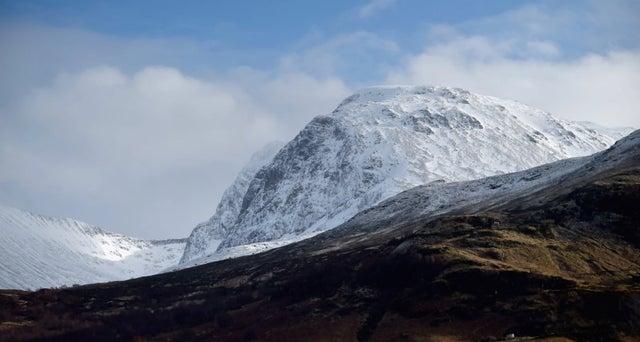
17. Highland
A 0.5% growth is projected for the Highland Council area, a slow down in growth from the 3.1% increase seen from mid-2009 to mid-2019. However, data from mid-2009 to mid-2019 shows have been several pockets of population decline within the Highlands such as north west Sutherland and parts of Wester Ross. Photo: Jeff J Mitchell/Getty Images
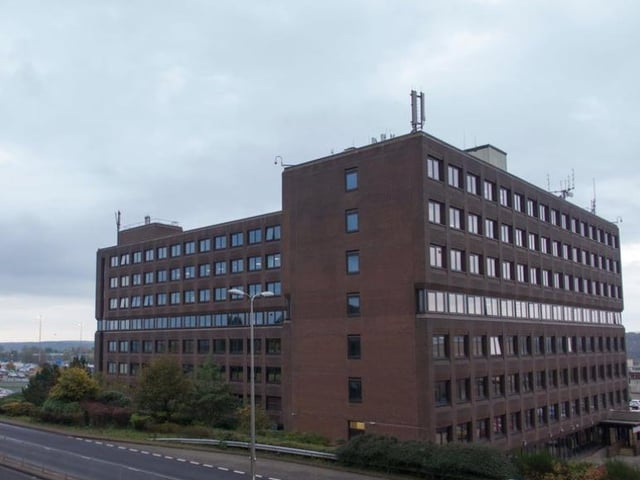
18. North Lanarkshire
A 0.3% population growth is projected in North Lanarkshire, which is still below the Scottish average. Photo: TreasureGalore/Shutterstock
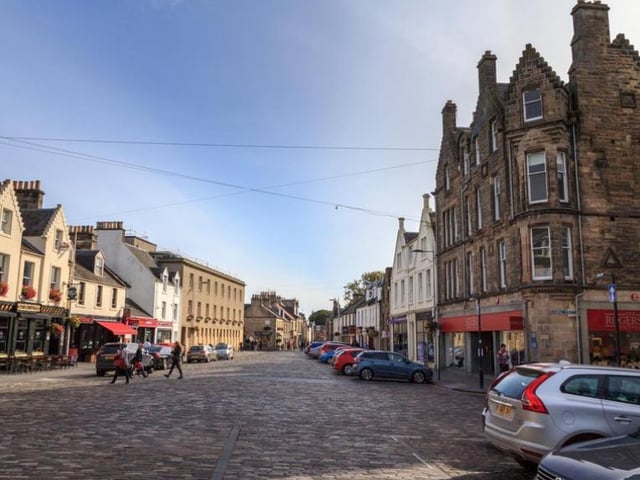
19. Fife
A -0.1% population decline is predicted for Fife, a change from the 3.1% growth between mid-2009 and mid-2019. Photo: Shutterstock
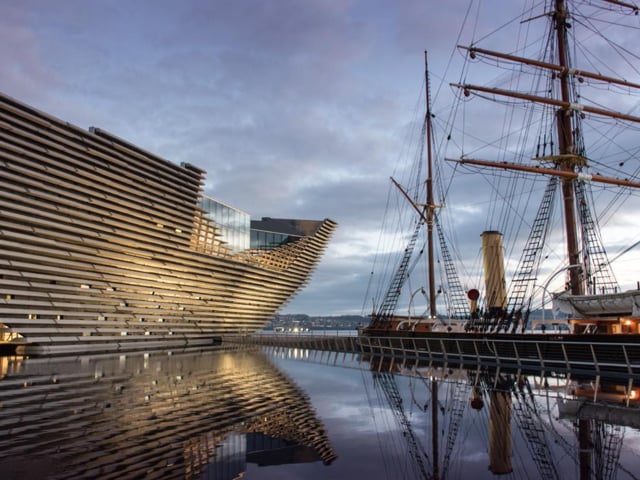
20. Dundee
A -0.3% population decline is predicted in Dundee in the decade to mid-2028, which is a fall from a 2.9% growth between mid-2009 and mid-2019. Photo: Robin Macgregor