
Why Scotland needs its own migrant visa system, and why it probably won't get it

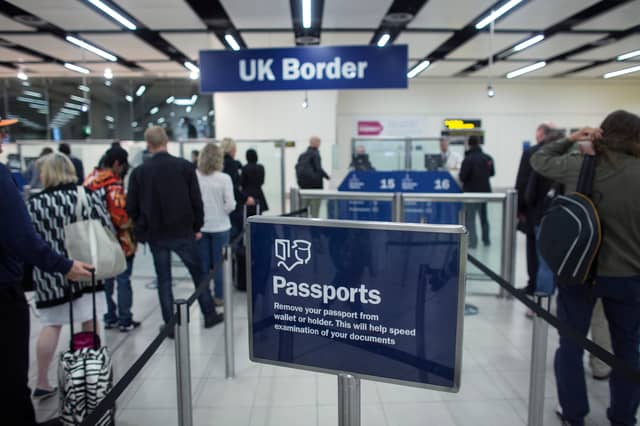

With the UK’s population of pensioners projected to rise to 13.7 million by 2032, the needs migrants of working age to help fund state pensions and public services
By 2032, Scotland’s population is projected to increase to 5.7 million, while the UK’s may rise to 72.5 million – almost entirely as a result of migration.
According to the Office for National Statistics, between 2022 and 2032, some 9.9 million people could move to live in the UK long-term, while just under five million may leave, meaning the UK population would increase by almost as many people as live in Scotland today, with births and deaths basically cancelling each other out.
Migration is, of course, a highly controversial subject, with some arguing the net figure should be zero. However, another important statistic to note is the number of pensioners. By 2032, there are projected to be 1.7 million more than in 2022, at a total of 13.7 million.
So, without bringing in migrants of working age, it would become increasingly difficult to support the UK’s ageing population, with the new arrivals’ taxes helping to fund the state pension and public services.

Scotland’s particular problem
Commenting on the figures, Adam Corlett, principal economist at the Resolution Foundation think tank, said: “A larger working-age population means a bigger economy, more workers, and higher tax receipts, which should deliver a fiscal boost of around £5 billion a year [to the government] by the end of the decade.”
Scotland has a particular population problem, with deaths already outnumbering births and migrants preferring to move to England or Wales. Given this situation, and the political hostility towards immigration south of the Border, it would, therefore, make sense to create a Scottish-only visa, similar to the regional visas available in Australia.
However, with the SNP always looking for ways to acquire the trappings of an independent state, Westminster may be understandably reluctant to hand over any aspect of ‘border control’. In this way, Scotland could find itself once again losing out because of the endless independence debate.
While immigration does result in some practical problems, it also has considerable benefits that have been overlooked for far too long. What’s needed is a sensible debate, based on the facts, not wild claims or prejudice.
Comments
Want to join the conversation? Please or to comment on this article.