
Why rising food price inflation is a real problem for Labour and SNP
Food price inflation is expected to hit 6 per cent by the end of the year

For much of 2021, food was actually getting cheaper. However, in the second half of the year, prices slowly began to rise and, by January 2022, food inflation had hit 4.4 per cent. The following month, Vladimir Putin launched his full-scale invasion of Ukraine, creating a humanitarian tragedy and a global energy crisis that affected the cost of almost everything we buy. Inflation soared.
The consumer price index (CPI) peaked at 11.1 per cent in October 2022, but food price inflation rose even higher, hitting a staggering 19.2 per cent in March 2023. It was this, combined with sky-rocketing energy prices, that made the cost-of-living crisis so devastating.
By July last year, when Labour swept to power with a landslide majority, food inflation had fallen to just 1.5 per cent, below the overall rate of 2.2 per cent. While prices remained higher than in the past, they were no longer rising at an untenable rate.
READ MORE: SNP accused of 'stifling economic growth' after £9m annual retail rates surcharge revealed

‘Significant challenges to household budgets’
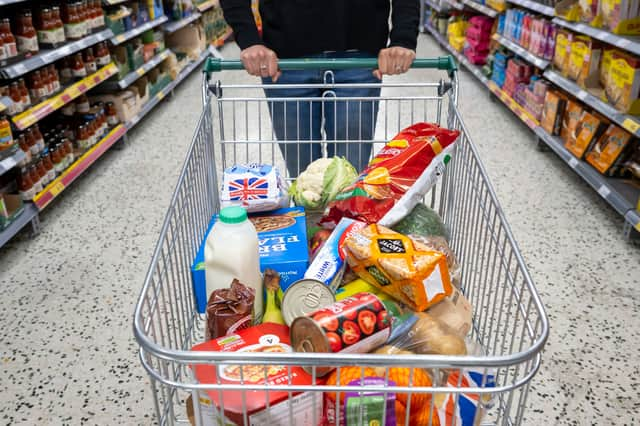
However, the cost of food and non-alcoholic beverages rose by 4.5 per cent in the year to June, above the CPI rate of 3.6 per cent. Now the British Retail Consortium (BRC) is warning, based on a survey of its members, that food price inflation will hit 6 per cent by the end of the year, posing “significant challenges to household budgets, particularly in the run-up to Christmas”.
Eighty-five per cent of chief financial officers told the BRC that the UK Budget, which raised employers’ National Insurance contributions and the national living wage, had forced them to increase prices and 65 per cent predicted there would be more hikes to come.
READ MORE: UK economy unexpectedly shrinks – here’s what it means for the Chancellor and interest rates
David Lonsdale, director of the Scottish Retail Consortium, said the changes had added £190 million a year to Scottish retailers’ outgoings and “this was compounded by the decision in the Scottish Budget to lump an extra £7.6m annually onto retailers’ business rates bills”.
We may be a long way from the dark days of 2022 and 2023, but if food inflation continues to rise, Labour and the SNP may incur voters’ wrath to an even greater degree than the Conservatives. This time, there is no invasion to blame.
Comments
Want to join the conversation? Please or to comment on this article.