
Why even green energy firms can see UK Budget needs to help oil and gas industry
About 1,000 jobs are being lost every month in the oil and gas sector with domestic production having fallen by 40 per cent in five years and predictions it could halve by 2030
Chancellor Rachel Reeves’ Budget is now days away and it is critical for the future of the North Sea and the 90,000 people in Scotland whose livelihoods depend on this sector.
For Scotland, home to much of the UK’s offshore workforce and supply chain, the decisions taken on Wednesday will shape energy security, prosperity and our industrial future for years to come.
Across Aberdeen, Aberdeenshire, the wider north-east, Grangemouth and the Central Belt, the consequences of uncertainty are already being felt. These are communities that have powered the UK for half a century. They’re proud of what they have delivered and want to keep doing so as we build a net-zero future.
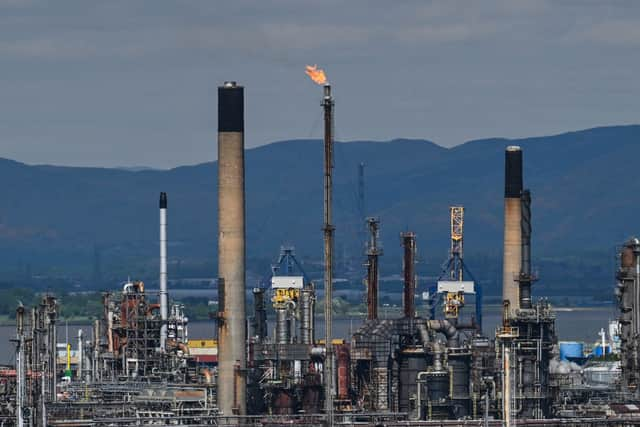

Reform the windfall tax
But the reality is stark: 1,000 jobs are being lost every month across the oil and gas sector. Friends, neighbours and colleagues are being made redundant, despite the Prime Minister stating that North Sea oil and gas will be produced for decades to come.
Words need to be matched by action, which is why reform of the ‘windfall tax’ or Energy Profits Levy from 2026 is essential. It was introduced during a period of exceptional prices. They are long gone, yet the levy remains.
Domestic production has fallen by 40 per cent in five years and could halve again by 2030. The levy is choking off investment, driving job losses and failing to deliver the expected revenues.
Without action, the country will undermine the foundation for homegrown progress in renewables and low-carbon projects. The UK is importing energy at historic levels, with more than 40 per cent of supply now coming from abroad. In a volatile world, that is the wrong place to be. Energy security, affordability and emissions should be national priorities.
More tax revenue, not less
New analysis from Offshore Energies UK shows what is at stake. Reforming the windfall tax from 2026 could unlock £50 billion of investment across 111 projects. It would restart activity in fabrication yards, engineering firms, ports and terminals and ensure the North Sea continues to meet at least half of the UK’s oil and gas demand in the years ahead.
Crucially, it would mean the sector pays more tax, not less, delivering more than £9 billion in additional receipts over the next decade.
This argument is shared well beyond the sector. Gary Smith, of the GMB Union, has said that cutting off investment in oil and gas is bad for national security, bad for jobs and catastrophic for the environment.
Mossmorran provides new wake-up call
Claire Mack, of Scottish Renewables, has warned that unless we slow the pace of decline in North Sea production while accelerating renewables, we face a widening gap in jobs and investment that will weaken the economy. Dale Vince, the green energy industrialist, has urged Labour to put its arms around the North Sea.
What happens offshore does not stay offshore. It affects Scotland’s industrial spine and the entire UK energy system. Last week’s announcement of the closure of the Fife Ethylene Plant in Mossmorran, with the loss of hundreds of jobs, is another wake-up call.
Numbers on a spreadsheet cannot capture the impact on communities and people. The government promised the North Sea would be managed in a way that does not jeopardise jobs. On Wednesday, the Chancellor must act on that promise.
David Whitehouse is chief executive of Offshore Energies UK
Comments
Want to join the conversation? Please or to comment on this article.