
What the next Scottish Parliament needs to learn from Westminster
Westminster’s committees became a force in UK politics after the power to appoint committee chairs was taken away from party whips and given to MPs
Received wisdom is that parliament is an ineffective brake on the power of government, especially where governments have large majorities and MPs are increasingly drawn from the ranks of the professional politicians, so are more susceptible to pressure from the party managers and advisers who will control their progression up or down the greasy poll come the next reshuffle.
That received wisdom is not without some truth but still, in this parliament, a Prime Minister with a working majority of 156 has been forced on several occasions to perform quite major U-turns. On each of these occasions, the power and reach of select committees has been evident.
The most dramatic and expensive of these U-turns came on the subject of welfare reform. There, a cohort of Labour Select Committee chairs served as the rallying point for backbenchers unhappy with the government’s plans. Ultimately, it resulted in a hapless Department for Work and Pensions minister standing at the dispatch box and taking a red pen to the Bill as backbenchers piled on.
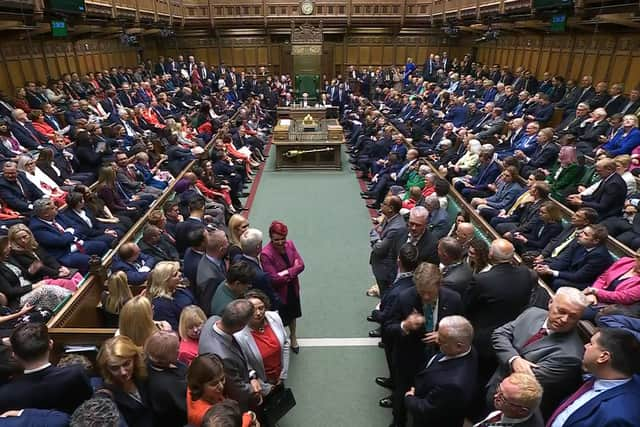

Starmer skewered
There are other examples. The eventual climbdown on inheritance tax changes came after no fewer than three select committees – all with comfortable Labour majorities – published reports calling for change and the Prime Minister himself was skewered on live television by questioning in the Liaison Committee from Cat Smith, one of his own MPs.
The Foreign Affairs Committee has dissected the resignation of Sir Olly Robins while the Intelligence and Security Committee pores over a mountain of documents that the government was forced to release relating to the appointment of Peter Mandelson as ambassador to the US.
The work of parliamentary scrutiny and accountability is alive and well and living in the Commons Committee Corridor. The growth of select committee influence started with changes that were made in 2010. The power to appoint committee chairs was taken away from the party whips and given to the House of Commons as a whole. Committee chairs no longer rely on party patronage for their jobs.
The other change was in the level of resources put into the committees. They are staffed now by an army of clerks to manage them and policy experts and advisers to brief them. There are lessons here for those for whom we are voting as I write this.
Free from party control
In the early days of the Scottish Parliament, its committee system was seen as a jewel in its crown. Over the years, however, that jewel has lost some of its lustre as committees have become as subject to party control as the business in the Holyrood chamber.
A rejuvenated committee system could do a lot to restore the standing of the parliament as a whole. The functions of the Holyrood committees are different from those of their Westminster cousins but the route to strengthening them should be broadly similar – independence from party machinery and proper resourcing to do the job.
The route to reform in Westminster started after an election where no party had a majority. If the results this week produce the same, then this could be the moment for reformers in the parliament to make their move.
Alistair Carmichael is the Liberal Democrat MP for Orkney and Shetland and chair of the Environment Food and Rural Affairs Select Committee
Comments
Want to join the conversation? Please or to comment on this article.