
The shocking ‘baby blind spot’ in Scotland's fight against child abuse
Nearly half the children on the child protection register in 2023-24 were under the age of four
Scotland has long aspired to give all children the best possible start in life. Children can only reach their full potential when they are nurtured and supported by their care-givers within a strong community. Yet too often child protection only becomes a priority in a crisis when we respond to distressing revelations about abuse, neglect and child death.
A recently published NSPCC report shows that Scottish Government policy has not consistently prioritised support for families with young children and babies, including during pregnancy, since devolution over 25 years ago. With the upcoming Scottish Parliament election, the country is at a key moment in its efforts to give every child the opportunity to thrive.
The first five years of life are widely recognised as a critical stage in development. It is when the foundations of learning, behaviour and life-long mental and physical health are established. Children and babies are especially vulnerable during this time because they rely completely on care-givers for their safety and survival, and their brains are developing rapidly.
READ MORE: Amid SNP child poverty drive, government pursues mothers fleeing domestic abuse for their ex’s debts
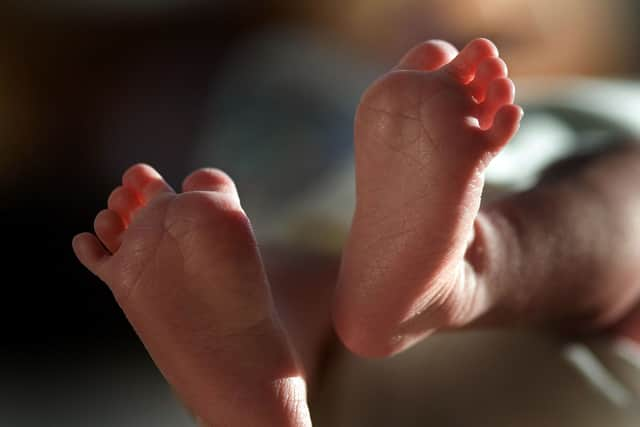

Unborn babies at risk
Very young children and babies cannot verbally communicate when something is wrong at home or when their family needs support, in the way that most older children can. They also cannot pick up a phone to contact a helpline, support service, or emergency services when they are in danger or need immediate help.
The evidence for the need for early help for families with babies and very young children is stark. In 2023-24, nearly half (45 per cent) of the children on Scotland’s child protection register were under the age of four. This included 93 unborn babies and 913 young children, from newborns to four-year-olds.
Despite babies being more likely than other children to experience significant harm, the zero-to-three age group remains one of the most overlooked in policy, service planning, and practice. This oversight is sometimes described as the ‘baby blind spot’.
It is widely accepted that our teenage years are a unique phase of life, and we talk about ‘children and young people’ to include teenagers, but ‘babies’ are still often absent in the language of child protection legislation, frameworks and guidance. This means their unique needs and experiences may not always be included in statutory requirements, policies and laws.
And there is a risk that professional attention focuses on the signs of abuse and neglect in older children, missing the more specific, non-verbal indicators of abuse and neglect for babies, such as behavioural, physical and developmental signs.
READ MORE: Holly Alex's gripping story of life as a child in care is brave, inspirational – and horrifying
Familes in need of help
Many families can meet their baby’s day‑to‑day needs, but others face a range of challenges – from short‑term pressures to more complex, ongoing difficulties. Stigma or fear can stop parents asking for help.
That is why GPs, health visitors, midwives, family nurses and nursery staff are so important. They are often the first to spot when something isn’t right, help families to get support, and step in when a baby or young child may be at risk.
Children who enter the care system in Scotland have often experienced early trauma but there’s a common assumption that babies and very young children are less affected by traumatic experiences than older children. This is not the case.
Infants who experience trauma can have delayed social and emotional development, be wary and watchful, not show their need for comfort and care, and have difficulty with regulating their emotions.
Early identification of difficulties or risk is not optional, it is essential. Children develop quickly, so we need to put strong foundations in place early, or later support will not be as effective.
The right start
If we want to close the educational attainment gap, reduce demand and pressure on crisis services, and tackle rising developmental delay, we must target our resources to give babies and families the right support from the start.
Even though there has long been political agreement on the importance of early childhood and the need for strong family support, Scotland’s policy priorities have not always matched this. As a result, babies and the youngest children often remain overlooked, and without sustained political commitment, their needs and experiences may continue to be missed and under‑protected.
The NSPCC wants the next Scottish Government to re-establish early years as a cross-party priority and create a dedicated early years strategy. The charity would also like to see stronger statutory guidance on children’s services planning and progress in implementing the United Nations Convention on the Rights of the Child to ensure all children in Scotland have a safe and happy childhood.
Investing in early childhood, by supporting families with children under five years old, provides significant long-term benefits. These include improved educational attainment, reduced health inequalities and increased economic returns.
A political issue
As we approach the Scottish Parliament elections, all political parties have an important opportunity – and a responsibility – to place the early years at the heart of future policy and public investment in Scotland.
To this end we joined a coalition of charities to recently launch our Manifesto for Babies in Scotland, which calls for a cross-government strategy for babies with stronger action to protect their rights and wellbeing.
The NSPCC believes there are clear opportunities for improvement in current early years policy, and it is one of the charity’s five priorities for child protection in the run-up to the election.
We are calling on parliamentary candidates to prioritise early support to prevent harm to children and give every child the best possible start in life – ensuring Scotland keeps ‘The Promise’ it made to its youngest children.
Rachel Love is NSPCC Scotland’s senior policy and public affairs officer. The NSPCC is encouraging the public to ask their local candidates to pledge to speak up for babies. Have your candidates joined the campaign? | 1001 Days
Comments
Want to join the conversation? Please or to comment on this article.