
The reason why Scots are paying £1.7bn extra in tax, but get just £616m back in public spending
Failure to grow Scotland’s tax base as quickly as the rest of the UK has real consequences for taxpayers and public spending

In the current financial year, the Scottish Government expects to raise an extra £1.7 billion in tax because of its policies. However, its Budget will only receive an extra £616 million as a result.
The explanation for this apparent conundrum is that, when some taxes were devolved to Scotland, it was agreed the UK Government’s annual block grant would be adjusted to reflect Holyrood’s new source of revenue.
Under the rules of the system, Scotland’s lower earnings and employment growth compared with the rest of the UK means the grant is being substantially reduced. It is a telling example of how the SNP’s management of the overall economy is going badly wrong.
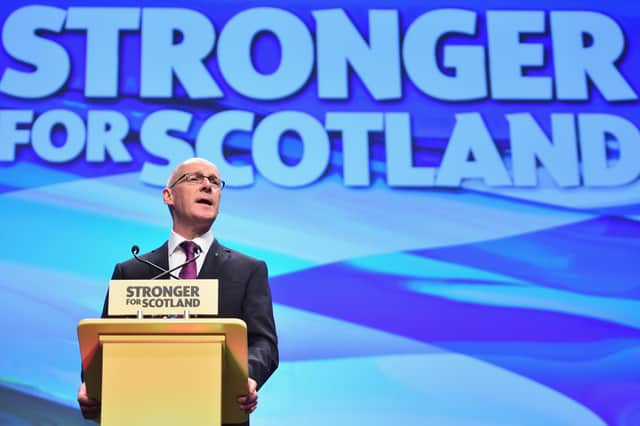

Scottish Conservative finance spokesman Craig Hoy claimed the SNP had trapped the economy in a “depressing doom loop – the slower it grows, the more they tax, and the more they tax, the slower it grows”.
“The SNP are choking earnings and growth, deterring skilled workers and entrepreneurs and, at the same time, expect taxpayers to pay the bill for their reckless financial mismanagement,” he added.
It is a deeply worrying assessment that will ring true with many voters, particularly those involved in the legions of small companies at the sharp end of the economy, where grandstanding political rhetoric does little to alter the cold, hard realities of day-to-day business.
Wanted: an economic strategy that works
In a report on the situation, Audit Scotland said that, as many warned, taxpayers have changed their behaviour in response to tax increases for higher earners brought in by the SNP, contributing to slower growth in Scotland’s tax base.
Auditor General Stephen Boyle said the Scottish Government should “be more transparent” about the overall effects of its tax policies, “better align its tax and economic strategies” and “set out which of its economic interventions are specifically expected to help grow the Scottish tax base”.
This sounds like a diplomatic way of telling the SNP to develop a coherent, well-thought-out economic strategy that actually stands a chance of working. And with a £5 billion black hole expected in the Scottish Government’s finances by 2030, they need to do it quickly.
Comments
Want to join the conversation? Please or to comment on this article.