
Net zero is dying: Wind and solar farms are the great follies of our time – Paul Wilson
New North Sea oil and gas fields look set to be approved as public appetite for green ideology thins



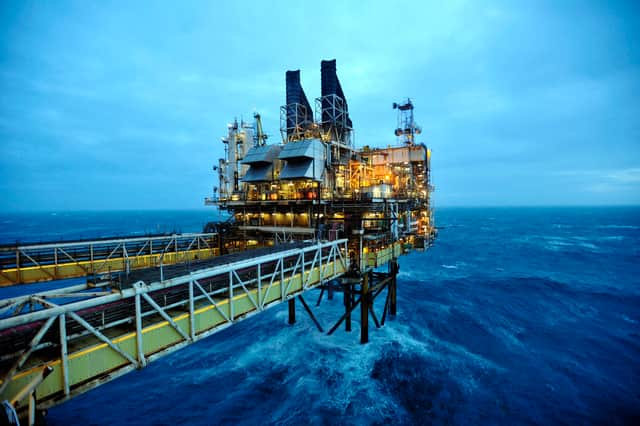
The wind of change is blowing hard through the debate surrounding energy and climate, as the North Sea sector awaits imminent decisions from Whitehall on licence applications for two major new fields.
I am old enough to remember, because I am more than three or four years old, a time when to question the wisdom of net zero was to plough a lonely furrow. Legislation that committed the UK to a legally binding target of achieving net-zero carbon emissions by 2050 sailed through parliament with ease at the fag end of Theresa May’s dismal premiership in 2019.
Meanwhile, at global gatherings of the great and the good, political leaders fell over themselves to bow and scrape before the fanatical green activist Greta Thunberg, even when she really ought to have been in school. The fever was perhaps near its peak around November 2021 when the annual Conference of the Parties (Cop) jamboree rocked up in Glasgow.

Green lobby’s mental gymnastics
Back then, under the Tories, we were not just “transitioning” away from fossil fuels, we were blowing up power stations and filling in with cement the last of our fracking wells. It seemed unthinkable that new North Sea oil and gas fields could be given the green light within just a few short years.
And yet now both Jackdaw east of Aberdeen and Rosebank west of Shetland look set to be approved by Andy Burnham’s Labour administration.
Plainly, the development of these sites is completely at odds with the pursuit of net zero by 2050. But the mental gymnastics performed by many within the green industrial complex to pretend otherwise – as they mouth nostrums about “offsetting” or “downstream emissions” – are truly impressive.
Rather than “just stop oil”, the mantra these days is “we’ll need fossil fuels as part of the energy mix for the foreseeable future”. This is not a subtle shift.

Painfully obvious economic damage
So, what has changed? For a start, even the most myopic politician can no longer claim not to see the economic catastrophe that is unfolding the further we travel on our unhappy and ill-fated journey towards net zero.
In Aberdeen, the impact of decades of government policy aimed at dismantling the oil and gas sector is painfully obvious. This summer, BP announced it was selling its North Sea business after 60 years.
READ MORE: SNP once again show how they're constantly meddling while achieving little – John McLellan
The energy profits levy, or windfall tax – introduced in 2022 by then Conservative Chancellor Rishi Sunak – means the overall tax rate on profits earned by oil and gas companies operating in the UK is 78 per cent.
What is most remarkable about the departure of firms such as BP is not that they are leaving but that they stuck around for as long as they did under such punitive taxation.
Russell Borthwick of Aberdeen and Grampian Chamber of Commerce said: “BP’s announcement should serve as a wake-up call. It is another stark reminder of what prolonged policy uncertainty means in practice. Investment goes elsewhere, businesses lose confidence and the UK’s industrial capability is gradually eroded.”
Famous Denby Pottery no more
Beyond the North Sea sector itself, the wider economic devastation of the attempted switch to unreliable low-density “renewables” is equally apparent.
Britain now rejoices in the highest industrial energy prices in the developed world. Our industrial heartland has been hollowed out. One casualty this summer was Denby Pottery. The famous Derbyshire firm had ridden many economic storms since it was founded in 1809 but net zero proved fatal.
Household energy bills are also cripplingly high and continue to soar, despite Labour’s promise to reduce them by hundreds of pounds after winning power in 2024.
For the benefit of mental gymnastics enthusiasts, sky-high energy costs and the pursuit of net zero are not unrelated. One of the great lies propagated in this debate is that wind and solar power are cheap.
READ MORE: Here's what would finally stop the boats: a National Rally government in France – Brian Monteith
Of course, it does not cost us anything for the wind to blow or for the sun to shine. But this has nothing to do with the cost of wind and solar energy.
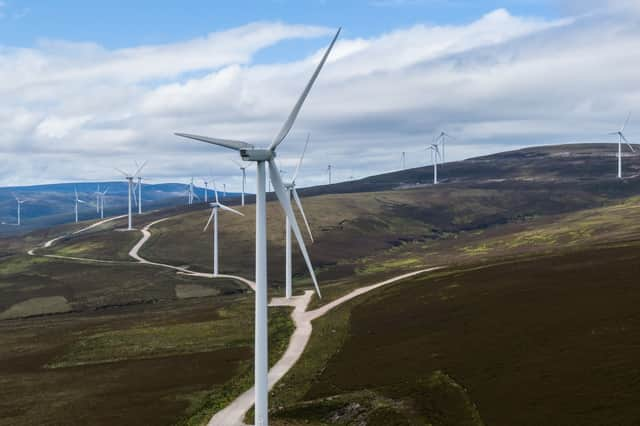
First, there is the cost of connecting numerous far-flung wind or solar farms to the network. Then there is the cost of maintaining reliable alternative back-up supply for the frequent occasions when the wind is not blowing or the sun is not shining.
Then there are the vast subsidies (which would not be necessary if wind and solar were truly economically viable) and the “restraint payments” that go towards operators to turn off turbines when there is too much wind. These costs are enormous and they are paid for by customers.
Only a matter of time
There is a place for wind and solar – at small scale rather than on the National Grid. For example, solar is an excellent and efficient way to power a few garden lights. But excessive unreliable wind and solar is making the grid less stable, putting us at growing risk of blackouts.
While the net-zero faithful dissemble, the public at large can see the link with economic ruin. And there is not space here to go into the considerable environmental damage caused by wind and solar farms, or the ethical and national security implications of handing production of a large chunk of Britain’s offshore wind capacity to sites linked to companies based in the People’s Republic of China.
It is only a matter of time before net zero is consigned to history as a strange and unscientific act of national self-harm. Two of the three parties polling highest at Westminster, the Tories and Reform, are opposed to net zero and there are growing signs of discontent within Labour too.
The massive wind turbines that litter the countryside are our great follies of the 21st century so far, hulking ugly monuments to ideology over reality.
As we enter the data-driven age of artificial intelligence, they should serve as reminders to future generations of how prosperity and higher living standards are inextricably linked to cheap, abundant and reliable energy.
Comments
Want to join the conversation? Please or to comment on this article.