
MSPs must consider psychological effects of assisted dying law on doctors
John Swinney’s reasons for voting against the assisted dying Bill are compelling

Amid the debate over a law allowing ‘assisted dying’ – or ‘assisted suicide’ – the effect on the doctors who would be asked to provide that lethal assistance is sometimes overlooked.
According to Liam McArthur, the MSP behind the proposed legislation, doctors could be allowed to cap the number of people they help to die and there is also a “conscientious objection” clause in the Bill, which parliament will vote on this week.
However, doctors union BMA Scotland, which is neutral about the idea of an assisted dying law itself, has said that there should be an ‘opt-in system’ for doctors “so that only those who positively choose to provide assisted dying are able to do so”. “We believe that doctors should be given the choice of whether and, if so, to what extent they were willing to participate,” a spokesperson said.
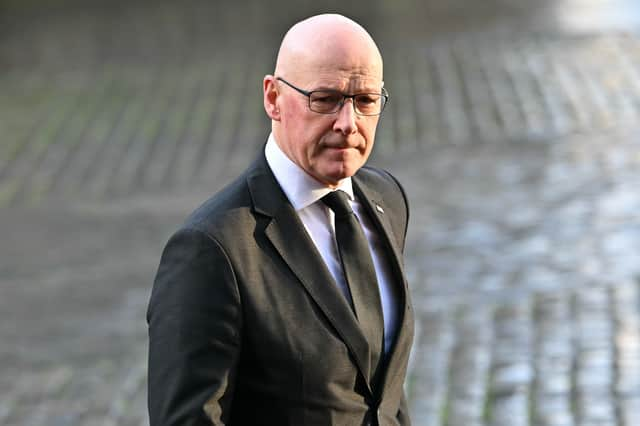

Swinney’s ‘incredibly difficult’ decision
This seems entirely reasonable, if such a law is to be passed. It is no small thing to participate in the ending of a life, particularly for those whose careers, whose lives, are dedicated to saving them.
Last week, John Swinney, whose wife Elizabeth has MS, a terminal illness, revealed he would vote against the Bill because of concerns about its implications, but he added that it had been an “incredibly difficult” decision. The First Minister also said he was "full of admiration" for McArthur.
It is clear that all involved are trying to make the right decision and only have the best of intentions. This is an issue that needs to be debated and discussed with all due seriousness.
READ MORE: Legalising assisted dying would have prevented my father 'brutally' taking his own life - former MP
However, Swinney’s main reasons for voting against – that the Bill could undermine the role of medical professionals in saving lives; that vulnerable people could feel “undue pressure” to end their lives prematurely; and that the legislation could be extended by legal challenges, as has happened in other countries – are compelling.
No one wants people who are in pain and dying to suffer unnecessarily. But failing to take into account the wider effects of legalising assisted dying – such as the psychological effects on doctors and vulnerable people – would only invite serious and unintended consequences that many might live to regret.
Comments
Want to join the conversation? Please or to comment on this article.