
How stunning comeback of Scotland's red squirrels is proving that conservation efforts can work

A ten-year reintroduction project as seen red squirrels expand their range in the Highlands by 25 per cent
In the late 1800s, the first grey squirrels were brought to the UK from North America to be ‘ornamental’ animals on country estates.
However – in what could be considered an early and misguided attempt at ‘rewilding’ – the 11th Duke of Bedford, Herbrand Russell, decided to actively disperse them from his estate, Woburn Park. Other greys escaped from other parks of their own accord.
The results were devastating. By 1945, the reds had disappeared from much of southern England and by 2010, they were gone from England almost entirely – apart from a few holdouts like the Isle of Wight – while Scotland’s Central Belt became another red-free zone. To many, it seemed only a matter of time before these native inhabitants of the UK of some 10,000 years’ standing disappeared.
READ MORE: More good news for the reds in Aberdeen

Not the greys’ fault
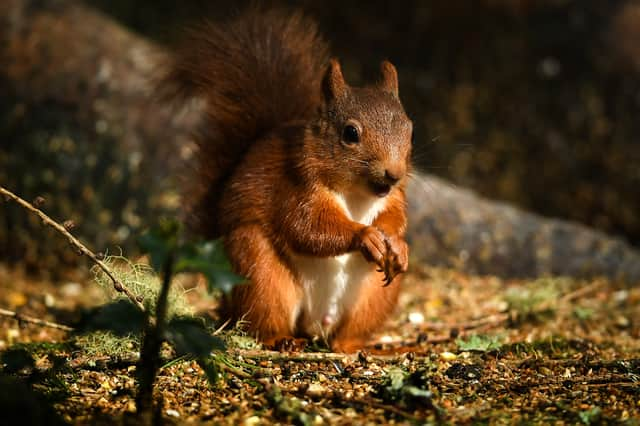
However, a new survey of red squirrels in the Highlands has found they have increased their range by more than 25 per cent following a reintroduction project started ten years ago by the charity Trees for Life.
It has been taking reds from healthy populations in Inverness-shire, Moray and Strathspey and moving them to the north-west Highlands, with 259 relocated to 13 new sites this year.
The survey found newly established groups were breeding successfully in parts of the Highlands where the species had previously died out, such as Plockton, Arisaig, Lochaline and Golspie.
It should always be stressed that the reds’ problems are not the ‘fault’ of the greys. After all, they didn’t ask to be introduced to this country and one of the main problems is that they carry squirrel pox virus, which is fatal to reds but not usually to them.
At a time when nature seems to be in retreat on most fronts, success stories can be hard to find. However, after decades of decline, this expansion of red territory shows what can be done when humans lend a helping hand to undo some of the damage that we have, often inadvertently, caused.
Conservation efforts are not just about managing decline, they can make a real difference, they can work. Scotland’s red squirrels are making a comeback, and that really is something to celebrate.
Comments
Want to join the conversation? Please or to comment on this article.