
Iniquitous property tax is putting our market at risk
It has been yet another bumper month in property revenues in Scotland. Between April 2025 and March 2026 the Scottish Government raised £757 million from Land and Buildings Transaction Tax (LBTT), which was a 15.2 per cent annual increase on the same period the previous year.
It has been yet another bumper month in property revenues in Scotland. Between April 2025 and March 2026 the Scottish government raised £757 million from Land and Buildings Transaction Tax (LBTT), which was a 15.2 per cent annual increase on the same period the previous year.
This is £2,073,972 collected from homebuyers for every day of the year and is £100.1m higher than the figure for the previous 12 months.
Of the £757m taxes raised £232m were from the Additional Dwelling Supplement (ADS) which is charged to property investors, landlords, and second home buyers. This is 34.6 per cent of the total raised and is £59.6m higher than the previous year.
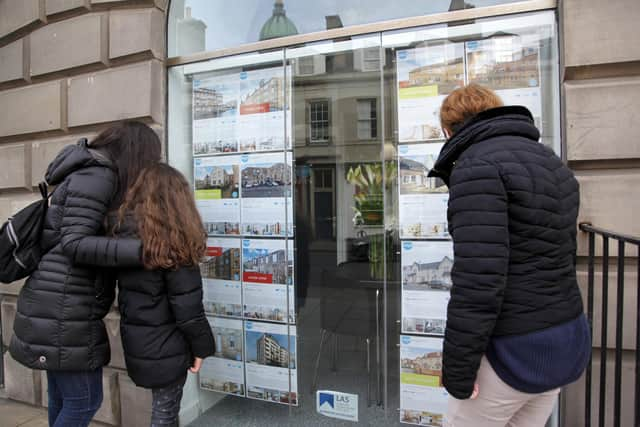

Almost all the residential taxes raised arose from properties sold for more than £325,001 when a 10 per cent levy is imposed. The 21,010 transactions above this threshold collected £437.0m which is 83 per cent of the total £525m raised in LBTT (this is the figure for residential sales with the ADS figures removed). This means that the average tax levied per transaction was £20,799.
What this tells us is that the long-suffering Scottish property buyer is paying much greater amounts of tax than their counterparts south of the Border simply for living in Scotland. To put this into perspective, Scottish homebuyers are now paying more money every year than was raised through the sale and lease of ocean seabed rights four years ago and which was hailed by the then First Minister Nicola Sturgeon as being “truly historic.”
For those purchasing second homes or investment properties it must be galling to contribute a quarter of a million per year in tax yet be given little to no thanks for their enormous financial contribution.
What is forgotten is that this £232m – equivalent to 34.6 per cent of all revenues – comes from a group of buyers that are not encouraged to buy here and who can quite easily go elsewhere with their money.

While it is remarkable that such levels of revenue are being raised annually from house sales there is growing concern that this will not continue forever and that the cost of buying a home is diverging too much from the rest of the UK with the result that buyers, investors, and second home owners will be tempted to move elsewhere to avoid this iniquitous tax.
There is also concern that this is simply another three-quarters of a billion pounds being thrown into the pot without any clear idea of where it is spent or for what it is being used. Many homebuyers would perhaps be more forgiving if there was some clear strategy for using these inflated levels of property tax to alleviate the current housing emergency.
This level of funding annually would go some way to support more housebuilding, greater investment in the private rented sector and building more social housing. Despite the high taxation, Scotland undoubtedly remains a key location for property investors who see the buoyancy of the market, the high demand, and the potential for growth in the future as an incentive to invest. But if the tax position were relaxed and equivalent to the rest of the UK then who knows how much greater growth would be possible?
David J Alexander is CEO of DJ Alexander Scotland Ltd
Comments
Want to join the conversation? Please or to comment on this article.