
Climateflation is creeping into Scotland's food chain
Scotland must make strategic investments in climate resilience, support agricultural innovation, and recalibrate how we value our food, says Simon McKeating
Scotland’s food and drink industry stands as a pillar of national pride, from our world-famous whisky to wild-caught seafood and summer strawberries. Yet these culinary icons now face a growing, quiet threat: climateflation – the economic ripple effects of our changing climate that are already hitting consumers’ wallets.
The term may be unfamiliar, but its symptoms aren’t. Rising temperatures, erratic rainfall and shifting seasons are driving up food prices while diminishing quality and straining supply chains. This isn't some distant problem affecting faraway producers – the evidence is growing in Scottish fields and fishing grounds.
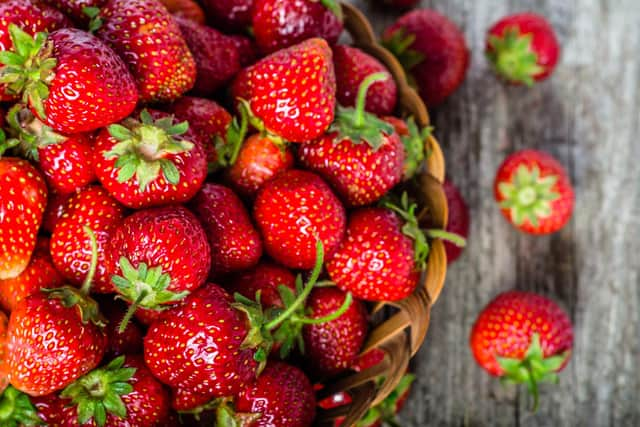
Consider our beloved strawberries. This year’s bumper crop follows several years of unpredictable growing seasons that have left growers nervously watching the weather. Prolonged volatility could shorten harvest windows and affect flavour profiles. What might seem like minor quality changes carry serious economic consequences for growers and could tarnish Scotland's reputation for premium produce.

Barley, the backbone of our whisky industry, is equally exposed. A single extreme weather event like Storm Floris can flatten entire fields, reducing yields and risking grain being downgraded. For an industry built on consistency and quality, such losses strike at the heart of Scotland's whisky heritage.
These aren't isolated cases but part of a worrying pattern. Climate shocks are disrupting agricultural systems worldwide, and Scotland's food sector remains exposed despite our strong local food culture.
Our seafood industry illustrates this paradox perfectly. While Scotland exports over 70 per cent of its catch, domestic consumption remains stubbornly low. As warming waters alter marine ecosystems, this export dependency leaves us vulnerable to global market fluctuations.
Beef producers walk the same tightrope – torn between lucrative exports and domestic needs, a balance growing harder to maintain as climate pressures mount. Export markets can be profitable, leaving producers cautious about oversupplying local markets with a risk of depressing prices.

This volatility extends to dairy, where farmers linked to the same supply chain, are sounding alarms about declining grass yields for hay and silage stocks. With winter feed reserves at risk, both sectors face the same climate-driven squeeze on opposite ends of the production cycle.
The financial impacts cascade through the supply chain, ultimately landing on consumers’ grocery bills. From weather-related crop damage to increased refrigeration and irrigation costs, these climateflation pressures make nutritious food less affordable, pushing many toward cheaper processed alternatives with consequential health implications.
Yet solutions are emerging. Research institutions like the James Hutton Institute are developing more climate-resilient barley varieties, while food innovators explore local alternatives to vulnerable imports like chocolate and palm oil. Some producers are shortening supply chains to improve freshness and flexibility. However, these adaptations require significant investment and crucially, consumer support to reach scale.
The political dimension cannot be ignored. There’s real danger that rising food prices could be misattributed to climate policies rather than climate change itself, potentially undermining public support for essential environmental measures. In this way, climateflation threatens not just what's on our plates but our collective ability to respond effectively to the climate crisis.
The parable of the boiling frog serves as an apt warning. Like the amphibian unaware of the slowly heating water, we risk failing to recognise these incremental changes until it's too late. Picture Scotland as that proverbial frog - whisky glass in one hand, strawberry in the other - oblivious to how both are being compromised by climate pressures.
The time for action is now. To protect Scotland's food and drink legacy, we must make strategic investments in climate resilience, support agricultural innovation, and recalibrate how we value our food – looking beyond price alone to consider provenance and sustainability. The alternative is waking up to find our culinary heritage irrevocably diminished, with the economic and cultural costs that entails.
Simon McKeating, Programme Manager at the Scotland Food & Drink Partnership’s Net Zero Commitment
Comments
Want to join the conversation? Please or to comment on this article.