
An 'increasingly uncertain future' - the impact of business rates and revaluation on Scotland's pubs

Calls for Scottish government to help business owners run ‘sustainable’ trade
For nearly three centuries, the Clachan Inn in Drymen has been slaking the thirst of its patrons, from hikers in search of a some respite from the rigours of the West Highland Way, to tourists eager to taste a little of its storied history.
Its first licensee was a weaver known as Mistress Gow, who was reputedly the youngest sister of Rob Roy, but these days, that duty has fallen to Gordon Strang who, together with his wife, Elaine, are proud custodians of the innumerable charms and quirks of the Clachan, a licensed establishment since 1734.
But the long history of one of Scotland’s oldest pubs, Mr Strang fears, is now under threat. As part of a looming revaluation of Scottish business rates, the Clachan’s rateable value is set to more than double from £37,000 to £87,000, a prospect that the pub’s owner described as “deeply worrying.”
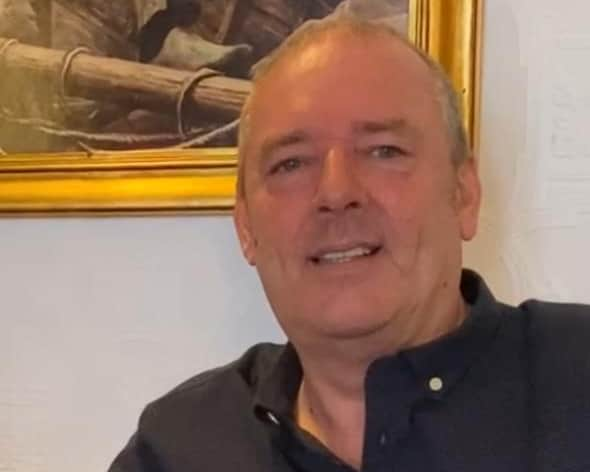

“An increase of that scale will inevitably translate into significantly higher business rates at a time when we are already facing intense pressure from rising energy costs, staffing, pension and National Insurance contributions, food and drink prices, as well as general inflation,” he explained. “Margins in hospitality are extremely tight, and further fixed costs like this leave businesses with very little room to manoeuvre."
Mr Strang, a business owner in the hospitality sector for 30 years, said that given such conditions, it was becoming "increasingly difficult" for people to maintain "passion" in the pub and restaurant trade.
"Many operators are at breaking point, and it is no longer a career path that people see as viable or sustainable because of how difficult it has become to run a business in these conditions," he explained. "I know my own children used to speak of their plans to take over our family business when my wife and I retire. That is no longer an ambition of theirs which is really sad."
Mr Strang stressed he was not looking for "hand outs," simply the chance to run his businesses on the "basic principles of buying and selling in a sustainable way."

Warning that without "swift" action, many long-established businesses would face an "increasingly uncertain future," he added: "We would like to see the Scottish government urgently reconsider how business rates are being applied to the hospitality industry, including meaningful targeted relief for licensed premises, a fairer approach to revaluation, and recognition of the cumulative impact of multiple rising costs."
The Clachan is not the only well-known pub to face a sharp jump in its rateable value. According to new draft revaluation data published by the Scottish Assessors Association, another popular tourist hotspot, the Drovers Inn, located at the northern end of Loch Lomond, will see its rateable value increase from £78,000 to £155,000.
In Glasgow, the Scotia Bar, a revered howff that is inextricably linked with the city's folk music scene, the rateable value will nearly double from £32,250 to £62,500. According to Belhaven, which runs the pub, the transitional relief announced in the Scottish Budget does not go far enough to mitigate the cost pressures facing pubs.
“With all pubs facing significant cost rises, the Scottish government missed an opportunity to provide meaningful relief on business rates at the Budget,” said David McBride, Belhaven’s business unit director. “It is therefore vital that it replicates the UK Government’s package and introduces the same level of support with rates that every pub in England is seeing.”
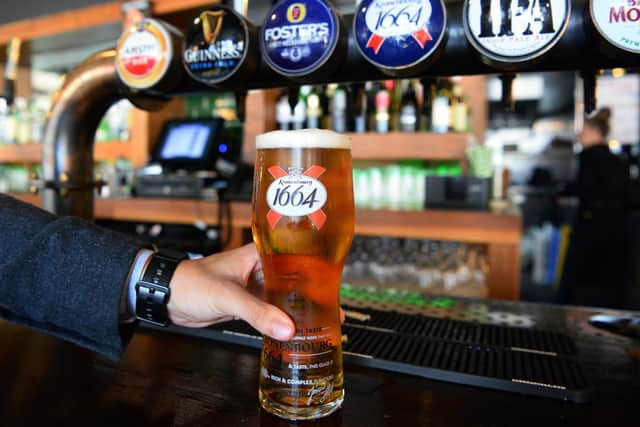
Indeed, UK Hospitality has warned that the average Scottish pub paying business rates will see an increase of £36,523 in business rates bills between now and 2028/29, while others have pointed out that the jump in rateable values will also bring about increased costs elsewhere at a time when businesses are already having to contend with significant outgoings.
The Scottish Hospitality Group (SHG) said that the cost for premises to show live sport in their venues is “directly linked” to rateable value, as are their water bills. It has called on the Scottish government to follow the leadership example shown by Northern Ireland, which has paused its own revaluation process amid mounting concerns surrounding the impact on the hospitality sector.
Stephen Montgomery, SHG’s director, said there were wider concerns around the revaluation process, compounded by other cost pressures businesses are facing.
He said: “I am deeply concerned, not just frustrated, but genuinely alarmed at the lack of support, understanding, and urgency being shown towards Scotland’s licensed hospitality sector.
“A clear example is one of our members in Glasgow, who has seen his rateable value go from £56,000 to £380,000 a year, making his approximate rates payable go from £31,000 a year to £177,000, an increase of over 570 per cent. Where is that even fair or affordable?”
Mr Montgomery criticised the turnout among MSPs at a debate on Scottish hospitality that took place at Holyrood last week, and said the level of government support offered to the sector in Scotland was starkly different to England, where he said businesses had “Three full years of meaningful support” via a 75 per cent discount on business rates, with similar businesses in Scotland not receiving a “single penny” of an estimated £650m given to Scotland via Barnett consequentials as a result.
He added: “I am deeply concerned that unless governments on both sides of the border start listening properly, understanding the reality on the ground, and acting with urgency, the damage being done right now will last for years to come. Hospitality deserves more than just sympathy or warm words and nodding heads, it deserves leadership, like in Northern Ireland.”
A Scottish government spokesperson said: “Our draft Budget for 2026/27 sets out a competitive non-domestic rates relief package worth an estimated £864 million – including the most generous small business rates relief in the UK - that could benefit 96 per cent of retail, hospitality and leisure businesses. The Budget offers more than £320m of support through transitional relief schemes and retail hospitality and leisure relief over the next three years.
“An independent review of the valuation methodology for licenced hospitality properties is being commissioned and will report by the end of this year with recommendations considered for 2029 revaluations. The Scottish government is considering the announcement made by the Chancellor offering additional support on business rates for pubs in England and the finance secretary has written to the chief secretary to the Treasury seeking urgent engagement.
“We are committed to passing on any consequentials in further support to business and continue to engage with the non-domestic rates consultative group.”
Comments
Want to join the conversation? Please or to comment on this article.