
When is it too cold to walk the dog? Essential expert winter advice all dog owners need to know
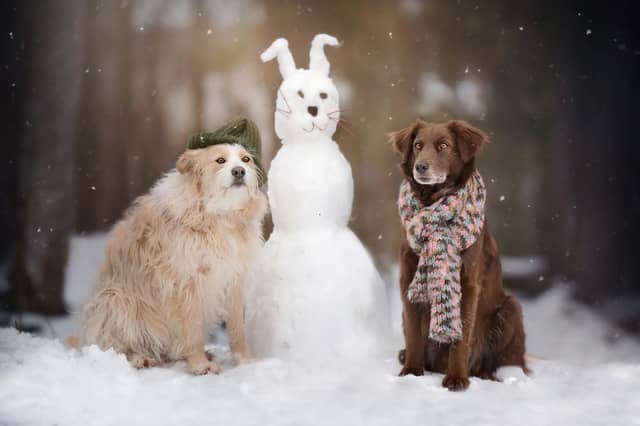

With temperatures dropping across Scotland this week it’s time to take a little extra care of our four-legged friends.
Have you ever looked out the window to snow, ice and frost and had second thoughts about taking the dog out for a walk?
If so, you’re are right to worry, as winter walks can present a range of hazards for our beloved pups.
To help you make the right decision - and mitigate any issues - Lorna Winter, dog expert and co-founder of leading dog training app, Zigzag, has shared a few expert tips.
Here’s what all dog owners need to know.
How long should I walk your dog in winter?
The best way to ensure your pup maintains a regular walking routine in freezing temperatures is by keeping walks shorter. Going for several mini walks throughout the day is safer than one long one, especially once the sun has gone down.
Always watch your dog’s body language and cut the walk short if they seem uncomfortable in the weather conditions. It’s always best to avoid long periods of standing still outdoors as well, always keep them moving!
When is it too cold to walk your dog?
Most healthy adult dogs are fine to walk normally until around 0°C; below this, if your pup still needs to go on walks, make sure you shorten them considerably.
However, owners that have smaller breeds, puppies, seniors, or lean dogs, should be aware that their pup is going to feel the cold a lot sooner.
Rule of thumb is: if you feel cold quickly, your dog most likely will too.
How can I tell if my dog is too cold?
There are several clear signs when your dog is getting too cold. Mainly, if their ears feel cold to the touch, it’s a strong sign your pup is already feeling the chill.
However, you might also notice if they’re shivering or holding themselves stiffly, curling their body up or having their tail tucked, or lifting their paws off the ground, hopping from foot to foot.
They also may start to slow down, whine, or try to head home, which is a good sign that you should cut your walk short.
Do dogs feel the cold on their feet?
Yes - just like human feet, dogs can get cold paws! They can also go numb, so it’s essential owners know how to judge when their puppy’s paws might be getting too cold.
It’s best to look for paw lifting, licking or refusing to walk on certain surfaces they usually wouldn’t have an issue with. If you know your dog is specifically sensitive to the cold, you might want to consider paw balm or boots. Same as before, if your dog is showing signs of paw irritation or chill, it’s always best to cut the walk short and go home.
Should I buy my dog a coat?
Dog coats are ideal for smaller breeds, short-coated dogs, seniors or puppies! They’re a great way to make sure your pup still gets the necessary exercise they need, despite challenging winter weather conditions.
The best dog coats for this winter season are ones that are waterproof (especially for living in the UK!), fleece-lined or insulated. When putting on the dog coat, make sure that there is good chest coverage, with a snug but comfy fit, that doesn’t restrict any movement.
What is the quickest ways to warm up your pup after a wet or cold walk?
Once you’ve brought your dog back inside after a winter walk, you should do what you can to help warm them up, particularly if it’s been raining. Towel dry them thoroughly, especially on their paws, belly and armpits as these would have been most exposed to the weather.
Then offer a cosy bed with lots of blankets, away from any drafts. You could pop on a warm, dry fleece or jumper if needed and if your pup is especially cold, a warm (not hot) water bottle, wrapped in a towel works well to get them back to a comfortable temperature.
Winter hazards to watch for
Winter walks aren’t just hazardous because of the freezing temperatures - there are a few serious dangers owners should know and look out for on walks this time of year.
A day or two before temperatures drop to freezing, grit or salt might be spread on roads and pavements - this can easily irritate paws, so it’s essential to rinse your pups' paws after walks just in case. Antifreeze is also often used this time of year, and it is highly toxic, so avoid puddles where you can and always wipe your pups paws after a walk to avoid any risks.
Once the weather is freezing, it’s good to keep in mind that ice can cause slips or muscle strains to dogs too, so keep dogs on leads near roads and rivers. Freezing rain and snowballs can also matt fur, especially in long-coated dogs, so be sure to pay extra attention to their grooming after walks where you may encounter this.
Make sure you don't miss a moment of breaking news from across Scotland by signing up to our free newsletter here.
Comments
Want to join the conversation? Please or to comment on this article.