
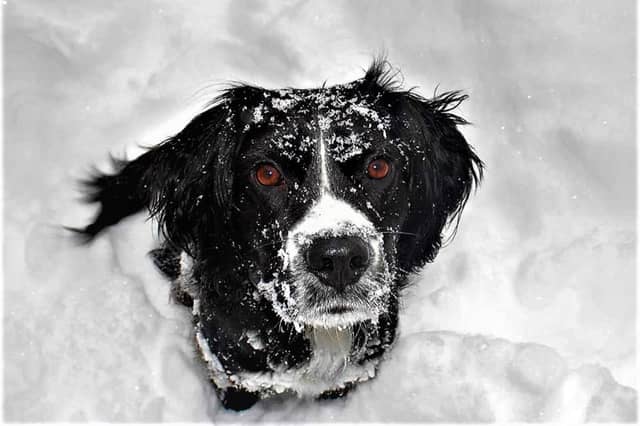

There’s more bad weather on the way, including snow, ice and temperatures dropping to -8 in parts of Scotland.
With numerous winer warnings in place for the weekend and beyond an animal welfare expert has urged pet parents to be cautious about taking their dogs for a walk in the cold weather.
While winter days tend to be dark and cold (and we’d all rather stay indoors), dogs still need regular exercise regardless of the weather.
Winter conditions can often make the daily walks an unpleasant and challenging experience for owners and their canine companions, so it’s important to consider how you can best keep your dogs happy and safe during these months.
Catrin George, animal wellbeing specialist at Animal Friends Pet Insurance has shared seven top tips for walking and exercising your dog during the winter months, including explaining that temperatures below 0 are too cold for many dogs, while -5 is the exact temperature where you should avoid walking your dog.
Catrin has also shared additional advice for walking dogs in the cold, including how to keep you and your dog safe in the snow, and the fur and paw checks you will need to do after a walk to prevent potential harm to your dog.
Here’s what she had to say.
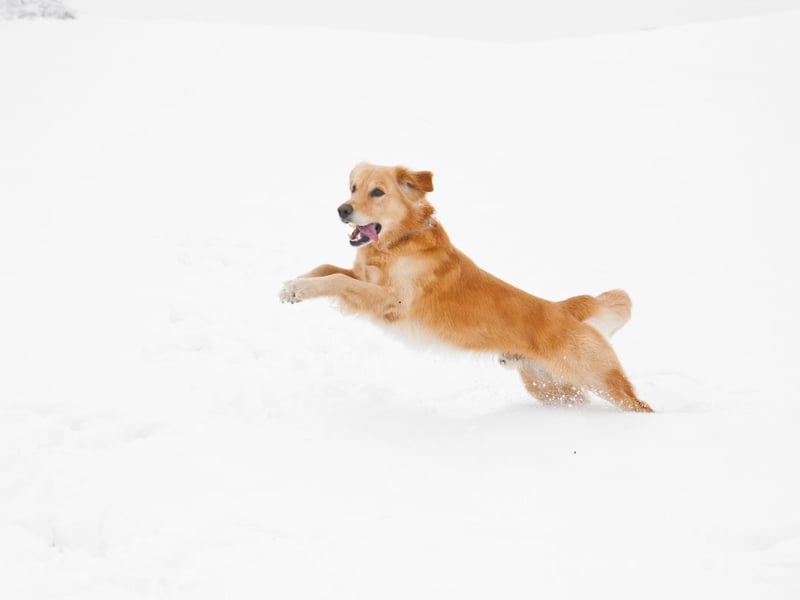
5. Check their fur and paws
Catrin says: “The grit and salt from the roads, the dampness from rain or snow and any spills your dog might stumble across while walking can irritate their skin, so you should always wipe their legs, feet and stomach once you’re back home. As a preventative measure, sensitive dogs could benefit from dog-friendly booties to keep their pads protected in the cold weather. This is especially important for dogs whose paws are chapped or sore.” | Canva/Getty Images
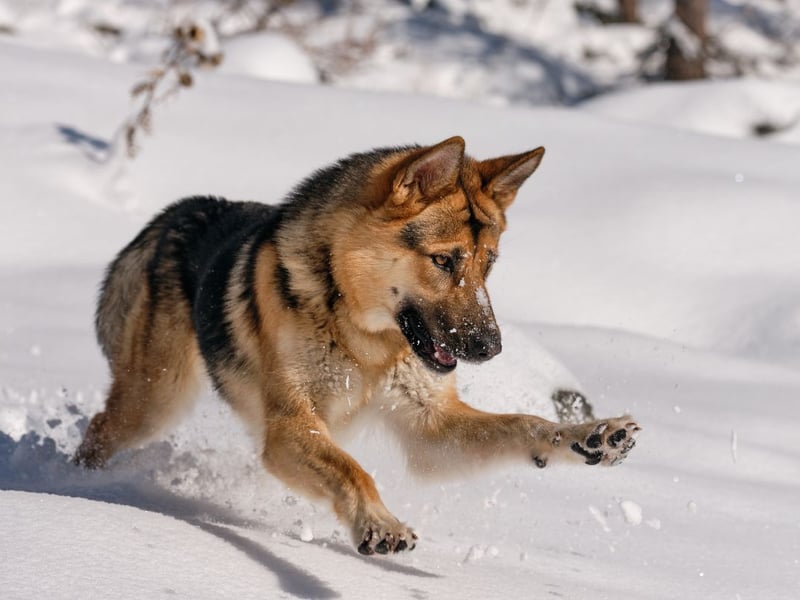
6. Ensure they’re not too cold
Catrin advises: “Even when we think that the weather is bearable, the same may not be true for your pet. When out and about in the winter months, it’s vital to keep an eye on your dog’s comfort. Important signs that your dog may be too cold include shivering, whining, reluctance to move, holding paws up, seeking warmth, or acting disoriented. If you see any of these, head home immediately and warm up. If symptoms continue, contact a vet for guidance to help prevent any cold-related illnesses.” | Canva/Getty Images
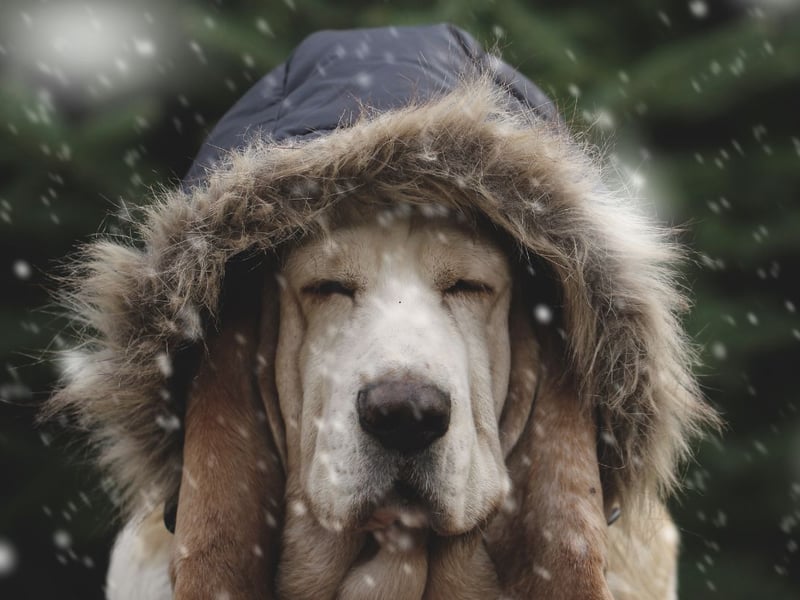
7. Avoid walks during storms
Catrin says: “Winter storms with heavy rain and strong winds are unpleasant for everyone - but they can be especially challenging for our pets. Some dogs can sense when the pressure in the air changes before a storm or heavy downpour and may show signs of distress and anxiety as their natural ‘fight or flight’ senses kick in. Being outdoors during extreme stormy weather is a risk for humans, let alone pets. Not only should you not walk your pooch during storms but you should also avoid letting them into the garden unsupervised as distress caused by storms may increase the risk of some pets trying to flee in an attempt to find safety. Try to provide a safe area in which your furry friend can retreat if the wind is bothering them. A comfy, enclosed bed or a crate draped with a blanket can help your pet feel safe and secure. Playing soothing sounds, such as reggae or classical music, is known to help dogs relax in times of stress.” | Canva/Getty Images