


We’re lucky in Scotland to be home to some of Europe’s most magnificent animals – playful otters, cute red squirrels, elusive wildcats, regal red deer and majestic golden eagles.
Unfortunately it’s also home to an estimated 180,750 trillion Highland Mid ges, each one capable of giving a painful and itchy bite.
As if that isn’t bad enough, they tend to hunt in packs, with thousands descending from seemingly nowhere to feast on your skin.
There are numerous hints and tips to stop becoming their next victim, but there are plenty of other interesting things about the flying menace.
Here are 10 midge facts you might not know.
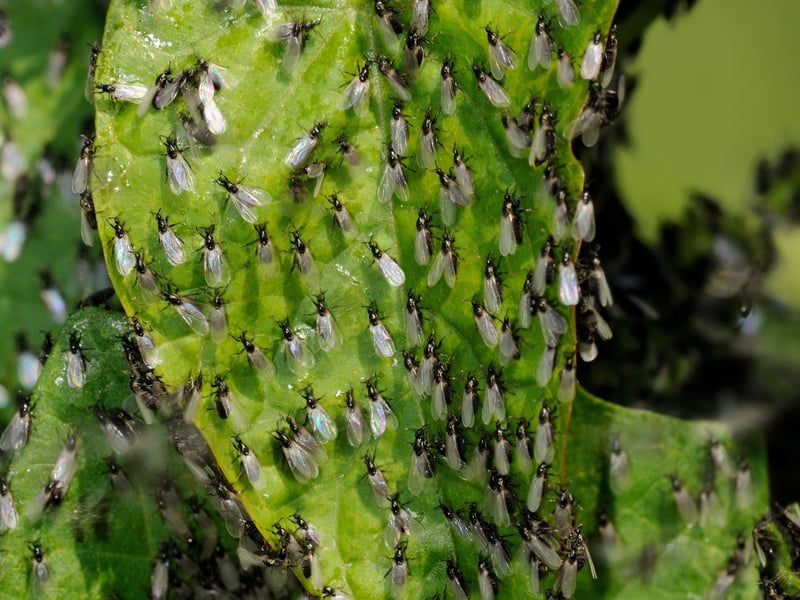
5. Death by midge
There is a legend on the Isle of Rum that a gravedigger was punished for not burying a body correctly by being tied to a post and left to the midges. According to the story, the man eventually died after receiving thousands of bites. Photo: Canva/Getty Images
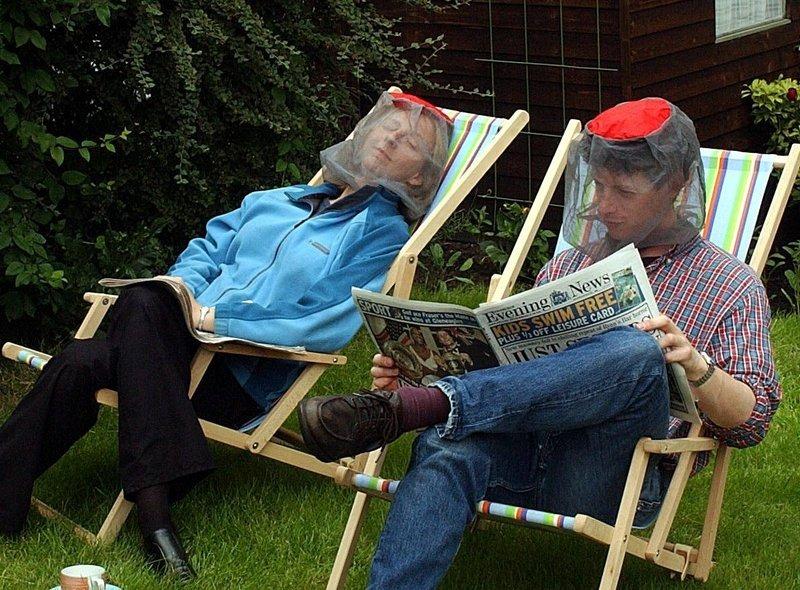
6. No fans of wind
One of the few things to guarantee to deter the midge is a breezy day - they are much less active when there are wind speeds of over 6mph. They also tend to stay away when the humidity is below 60 per cent. Photo: Contributed
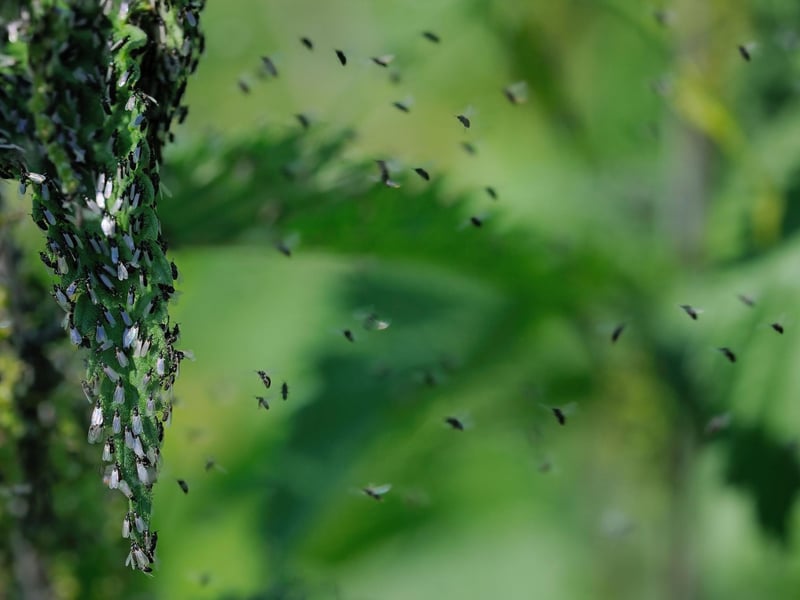
7. A nasty bite
The midge bite is a fairly unpleasant process - with the insect using its mouth parts like two saws to cut through the skin. It then uses its saliva to stop the blood from coagulating, creating a pool from which to feed. Photo: Canva/Getty Images
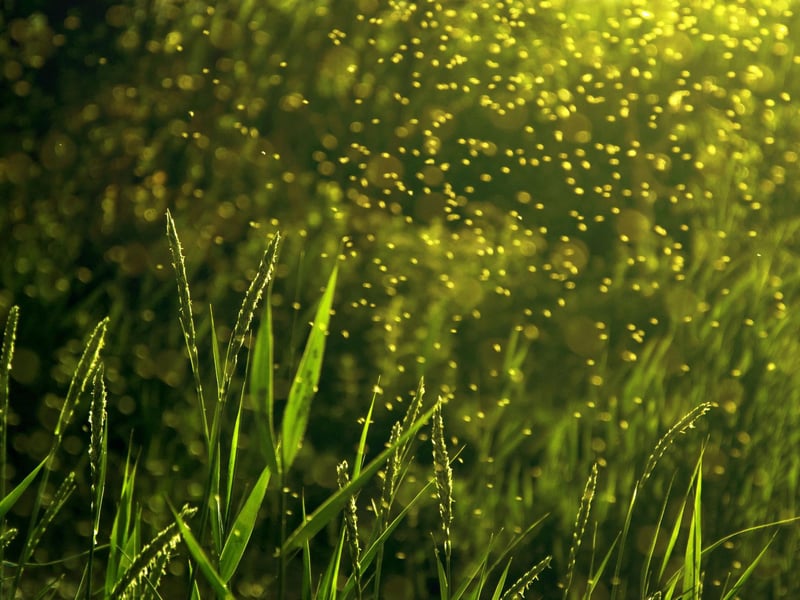
8. The lucky few
Experts believe the reason that some people get bitten more than others is that the latter group have a particular chemical - called ketone - contained in their natural body odour that midges seem to hate. It's thought to be hereditary so isolating the gene could result in the world's best midge repellent. Photo: Canva/Getty Images