
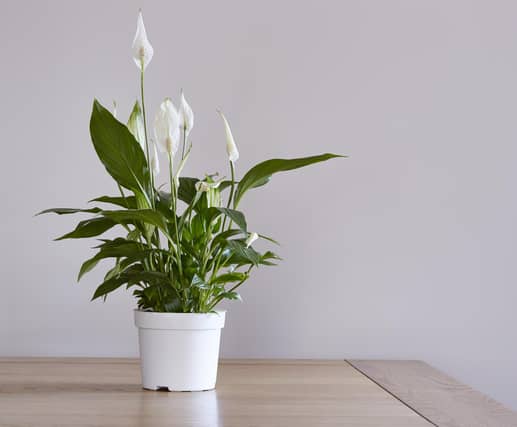

The coronavirus pandemic has sparked a major surge in indoor gardening.
Hordes of people have been turning to houseplants to bring the outdoors inside during lockdown to help them feel connected to nature while confined to their homes.
Not only do they brighten up living spaces, they also improve air quality and bring mental well-being benefits for those caring for them.
But some of our best-loved green companions are actually poisonous to people or pets, including devil's ivy, peace lilies, mother-in-law's tongue and cheese plants.
Rubbish disposal firm Clear it Waste Collection has collated a top ten list of the the most popular houseplants with toxic properties.
A message from the Editor:
Thank you for reading this article. We’re more reliant on your support than ever as the shift in consumer habits brought about by coronavirus impacts our advertisers.
If you haven’t already, please consider supporting our trusted, fact-checked journalism by taking out a digital subscription. Visit https://www.scotsman.com/subscriptions now to sign up.
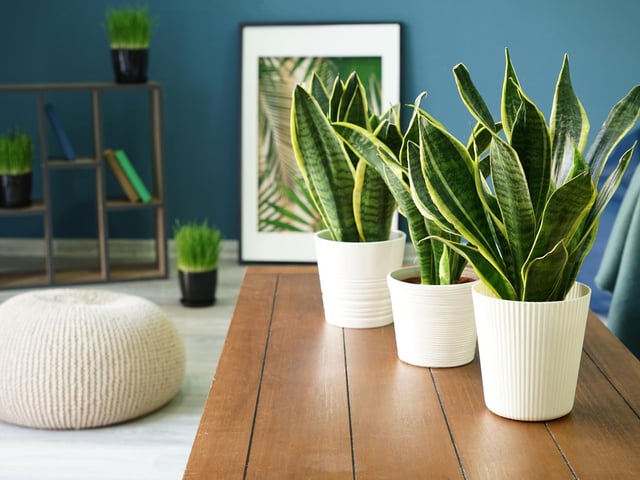
5. Mother-in-law's tongue or Snake Plant
Whilst it may be among the top plants identified by NASA as particularly useful for its air purifying qualities, it is also moderately harmful to humans and pets Photo: Aquarius Studio
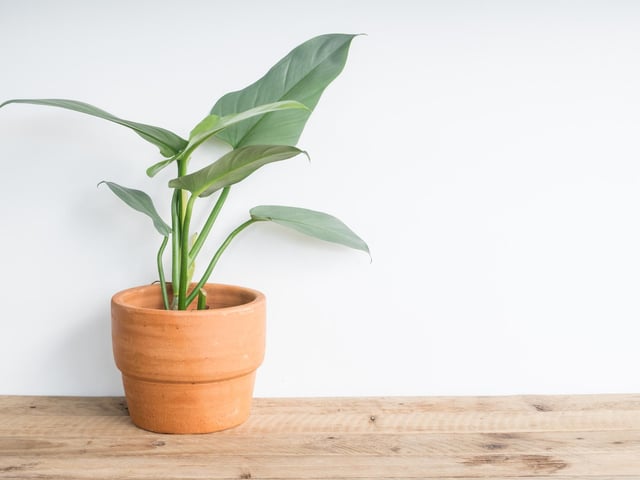
6. Philodendron
The Greek name for this popular plat means ‘loving tree’, but be wary - it’s potentially harmful Photo: Rattiya Lamrod
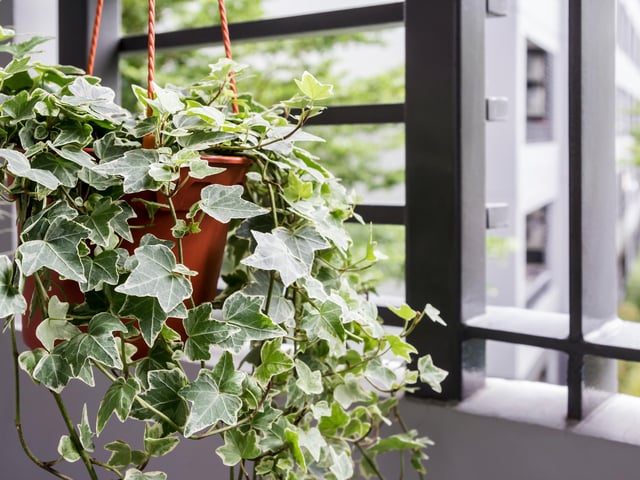
7. English Ivy
Known for its pointed leaves and delicate tree-climbing abilities, this is one of the nation's best-loved houseplants - it is also known to cause weakness, vomiting, throat swelling, dermatitis, rash and ataxia Photo: Myimagine
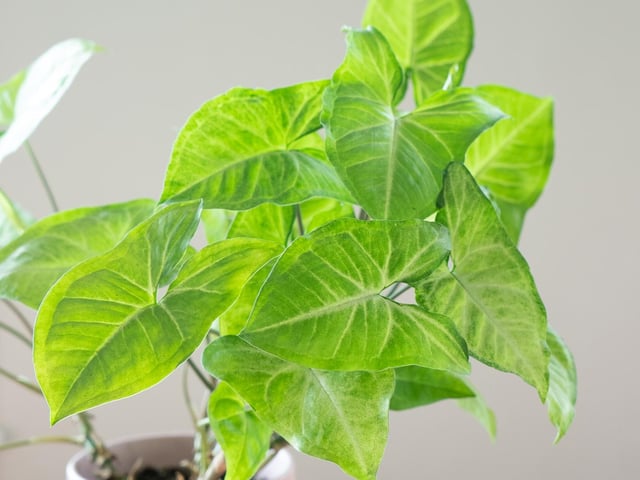
8. Arrowhead
Despite it attractive heart-shaped leaves, this philodendron relative is mildly toxic Photo: Ida Taing