
The ancient Japanese spirit that's made a comeback in cocktails - and where to try in Edinburgh
Sake has been around for years, but it’s becoming a main ingredient in cocktails. Rosalind Erskine finds out more about this drink and where to try it in Edinburgh
This month has already marked World Sake Day, falling on October 1. And while this may have passed most of us by, the versatile Japanese drink is becoming more and more popular in place of wine and in cocktails.
Recent figures from Fortune Business Insights forecasts the global sake market will reach £8.71 billion by 2026, with an annual growth of 4.84 per cent. This is already being translated across the restaurant scene in the UK, with a visibly sharp increase in sake listings among its drinks offering.
Sake is more than just a drink - it reflects Japan’s rich heritage and craftsmanship. The process of creating sake involves precision at every step, from selecting the finest rice to the delicate fermentation process. The result is a versatile and premium beverage that pairs beautifully with a wide range of cuisines, from traditional Japanese sushi to contemporary European seafood dishes.
But what is sake? Jess Wong, the co-owner of Yamato in Edinburgh, which has the biggest Sake and Shochus in the city, explained what the drink is and how to serve it.
She said: “Sake is a Japanese rice wine, with a similar alcohol percentage as grape wine. It is made with fermented polished rice, water and koji. If you are serving sake hot, the traditional way is to use a Tokkurri [sake carafe] and then put it in a hot water bath.
“If you are serving it cold, you would serve it in a short clear glass in a square wooden box, called a masu.”
Ms Wong and her staff have had special training from World Sake to ensure they can confidently recommend the drink to guests. Of this, Ms Wong said: “It’s very important to have sake training if you are serving it, so that staff are knowledgeable about the flavour profiles and how it pairs with our menu, very similar to traditional wine training.”
Sarah Stewart, a WSET-certified sake educator and sommelier, heading up sake education at West London Wine School, said training in restaurants was important. She said: “Premium sake is a hand-crafted product with deep cultural roots, yet many remain unfamiliar with it. Sake education is vital for restaurants to dispel misconceptions and guide consumers in appreciating its craftsmanship, diversity and versatility. With the right knowledge, diners can explore how different sake styles, particularly with umami-rich seafood, elevate their dining experience.”
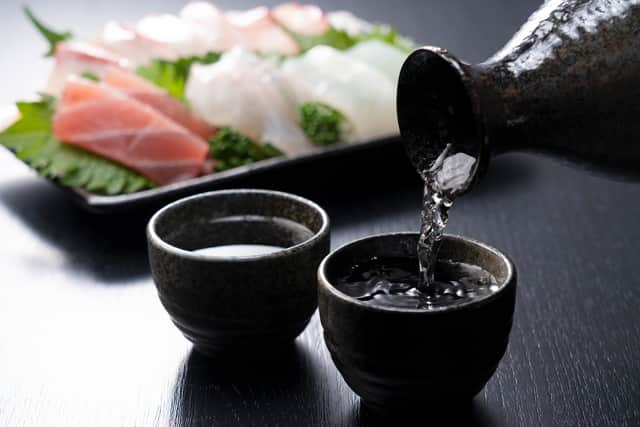

Sake, known as "the drink of the gods" in Japan, is crafted from just four natural ingredients: polished white rice, water, yeast and koji. Sake is renowned in Japan for its ability to accompany a wide range of dishes - there is a common saying that ‘sake and food do not fight’. Its versatile flavour profiles make it perfect for enhancing the umami of seafood, without overpowering. And sake can be enjoyed at a wider range of temperatures than any other beverage - chilled like white wine, cellar or ambient temperature as for red wines, but also gently warmed or even hot.
Unlike wine, sake is the only beverage category that is naturally high in umami: the fifth taste, characterised by savoury and complex notes. This means sake can pair with a huge range of foods, including seafood, cheese, pizza, Italian meats and even a traditional British roast.
Essentially sake should be treated like wine - and not a spirit such as whisky - and should be sipped. Ms Stewart said: “Sake is brewed more like a beer, but shares more tasting similarities with wine, and can express an equally vast range of different aromas and flavours: fruits and flowers in daiginjo styles; earthy, cereal and lactic notes in junmai and honjozo styles; and even complex notes of caramel and nuts in aged styles. There is a sake category out there just waiting for fans of different wine styles to discover, from light crisp whites to full-bodied intense reds and even rich ports.”
If you are keen to try the drink, but have no idea where to start, Ms Wong suggested something gentle like Akitabare Daiginjo, or some of the Daiginjo sake. One of the biggest brands is Akashi-Tai and its artisan sake is hand-made in small batches by Toji (Sake Master) Kimio Yonezawa, fourth generation of sake makers since 1856.
Named after its home city, Akashi-Tai’s Sake is produced by an independent family-run brewery. The beverage is made by fermenting rice that has been polished to remove the bran. Their Junmai Daiginjo Genshu, or ‘grand cru’, showcases the most intense flavours of Yamadanishiki rice, considered the most premium of grains of rice. The drink’s suggested food pairing is shellfish and the suggested serving is a chilled wine glass.
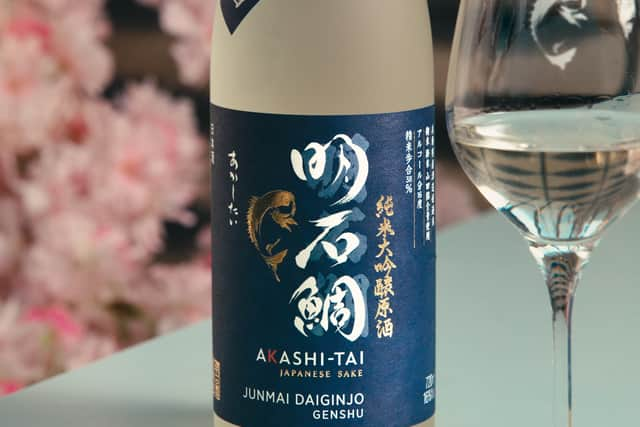
Most premium sake is made from specific sake rice strains, similar to grape varietals, which influence the aroma, flavour and texture. The rice is polished to remove outer layers, with more polishing yielding refined, fruity, floral notes, and less polishing retaining cereal and savoury character. The percentage on the label, such as 50 per cent or 60 per cent, indicates the rice polishing ratio, showing how much of the grain remains after polishing - not the alcohol content. For example, a 60 per cent ratio means 60 per cent of the rice grain remains.
Sake is also starting to appear as part of the Scotch whisky making process, with Chivas Regal introducing Regal Takumi Reserve - a unique new expression selectively finished in premium sake casks. Created in collaboration with ‘Masuizumi’, the internationally renowned sake brewery, Chivas Regal Takumi Reserve brings to life the essence and unique flavours of both sake and Scotch whisky, fusing Japanese craftsmanship and Scotch whisky expertise.
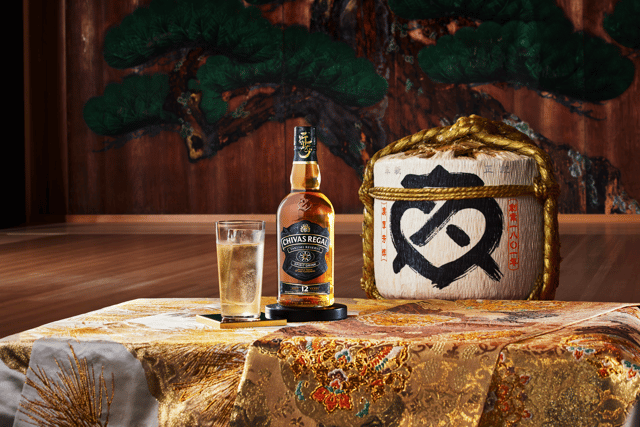
Although interest in sake in the UK is growing exponentially, nearly three in four (71 per cent) Brits are yet to try it. But Ms Wong said she believed the drink was the next big thing in the UK due to its versatility.
She said: “As we can see, not only Japanese restaurants serve sake, other Western cuisines or Michelin-starred restaurants serve it. I believe sake’s umami unique flavour can be paired with not only Japanese food, but also any other cuisine.”
While it may not be gracing the fridges or wine racks of a lot of homes, diners will start to see sake on restaurant menus, behind bars and in cocktails. So next year on October 1, it will be a lot easier to say cheers to World Sake Day.
Comments
Want to join the conversation? Please or to comment on this article.