
When do I need to take my dog to the vet with a tick? Vet explains everything you need to know - including tick removal
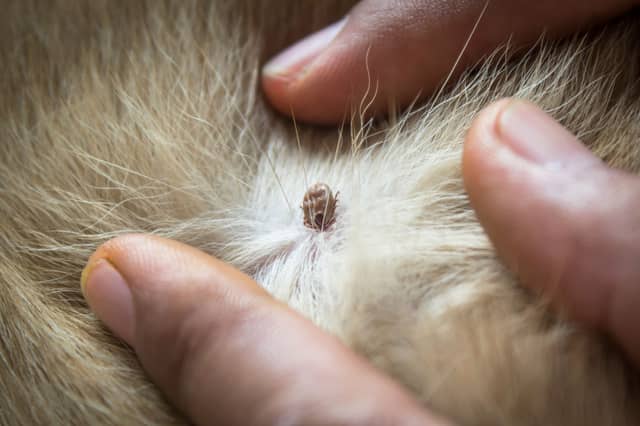

Ticks can be a real issue for our four-legged friends at the moment.
Whilst summer brings plenty of opportunities for pet owners to enjoy the great outdoors with the benefit of nice weather, there are also environmental risks that pet parents will need to be aware of - one of the most common being ticks.
Whilst the cost of having ticks removed from your dog is generally small, insurance claims for the treatment of tick-related conditions, such as Lyme diseases or infections, average over £600, and the cost can exceed £7,000 for complex and serious cases.
Given the potential for disease following tick bites, and the cost these cases can reach, pet owners will be keen to do what they can to reduce their pet's exposure to ticks.
To help, Jen Wormleighton, in house vet at cat and dog insurance provider Animal Friends Pet Insurance has explained everything you need to know to reduce the chance of needing treatment for tick related diseases and conditions.
She explained: “Ticks are a nasty parasite which can be found throughout the UK. They are small, spider-like creatures that can be difficult to spot when unfed, as they can be as small as 1mm across. Once fed however, they become much more noticeable. They can swell up to the size of an apple seed, with a light or dark brown colouring.
“Ticks can be found year round, but are most active in spring, summer and autumn. The main threat of ticks is the risk of potentially serious diseases, including Lyme disease. As such, it’s important to know how to avoid ticks, and what to do if you spot one on your pet.
“It’s also important to remember that ticks and the diseases they carry can pose a risk to humans. So, if you’re visiting an area where ticks are likely to be present, wear clothing that protects your lower legs, and try to steer clear of areas of long grass and bushes.”
Here’s her key tips to keep your beloved dog safe this summer.
Know how to recognise high risk areas
The first thing to consider is whether you live in, or will be visiting a high risk area. Ticks can be found all over the country and in a variety of habitats, but there are certain places where you’re more likely to find them.
Ticks feed on mammals and birds, so can be found anywhere you are likely to encounter these animals. In particular, grassy or wooded areas are the most likely places you might encounter a tick, especially if there is livestock or wild animals in the area.
There are certain places with an increased prominence of tick-borne diseases, of which Lyme disease is the most common. These areas include parts of southern England and the Scottish highlands, so if you live in these areas or will be visiting, you should be extra vigilant when you spend time in the great outdoors.
However, Lyme disease and other tick-borne diseases can be found in all parts of the country, so regardless of where you are it’s important to be tick aware to reduce the chances of exposure.
Correct tick removal is vital
When you get in from a walk, it’s important to give your pet a check over for signs of ticks. Ticks can be found anywhere on the body, but the most likely areas are the head, ears, neck, armpits, groin or between the toes.
Ticks will naturally drop off after a period of time, but removing them quickly can help to reduce the chance of disease transmission, not to mention preventing them from dropping off inside your house.
If you find a tick, it’s important to remove them properly to prevent infection. Do not attempt to burn the tick and avoid rubbing the tick with alcohol whilst it is attached, as this can cause the tick to vomit and may increase the risk of disease transmission.
Instead, take some tick tweezers or a tick removal device, and place it as close to the pet’s skin as possible, approaching from the side for hooks. Taking care not to squeeze the tick, lift the tick very slightly and twist the device round. The tick will detach in 2-3 rotations in general. Make sure that you have removed the head, as this can be left in the skin, which can cause infection. If the head has not been removed, you should consider visiting your vet. Dispose of the removed tick by wrapping it in tissue and flushing it down the toilet before thoroughly washing your hands.
Reduce the risk
There are a few ways pet parents can keep their animals safe. The easiest of which is to stick to paths and avoid long grass. You can also choose to put a tick repellent collar on your dog when you go for walks. These collars help to repel ticks and reduce the likelihood of them attaching to your pet by releasing low doses of the repellant onto your pet’s coat, killing and deterring ticks. If you own an outdoor cat, it’s also advisable to give them a tick collar if you live near fields or woodland.
You can opt for a flea treatment which also treats ticks. This reduces the need for a tick collar and provides more long lasting, whole body protection, but may not be suitable for your pet. Before changing your pet’s flea treatment, it’s advisable to discuss your options with your vet.
When to see a vet about a tick?
Ticks can carry various diseases which can be fatal if left untreated. In the UK, the most common of these diseases is Lyme disease. Symptoms of Lyme disease include; loss of appetite, depression, fever, swollen lymph nodes and swollen or painful joints. Lyme disease is a serious disease and needs urgent attention. Your vet will be able to diagnose and treat cases of Lyme disease.
Ticks can also cause infection, especially if the tick has been removed incorrectly. Keep an eye out for swelling, redness and/or puss around the bite, and contact your vet if you notice anything that doesn’t seem right.
Other tick-borne conditions, such as babesiosis and tick-borne encephalitis (TBE) are much rarer in the UK. Symptoms of babesiosis include; fever, loss of appetite, yellowish skin, pale gums and depression. For TBE, signs include; a high temperature, seizures, fatigue and loss of appetite.
If you spot any of these symptoms, make sure to visit your vet and tell them that your pet has, or may have, been bitten by a tick. Vets will be able to use this information to run appropriate tests to screen for tick-borne conditions.
Comments
Want to join the conversation? Please or to comment on this article.