
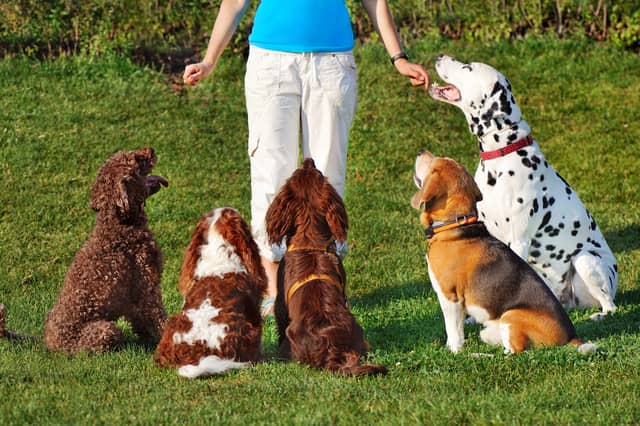

We’re a nation of dog lovers, with around one-in-three households including at least one four-legged friend.
By far the most popular pet in the UK, they make for wonderful companions, all the while improving both our mental and physical health - and that’s a scientific fact.
The army of dog owners continues to grow, with 221 different breeds of pedigree dog to choose from, alongside numerous crossbreeds.
Choosing the right breed is absolutely essential – for example opting for a small dog if you don’t have much room at home, or a hypoallergenic dog if you suffer from allergies.
There’s also always the option of adopting a dog from a dog shelter for a minimal fee - for example from the Dogs Trust.
There’s even academic guidance to seek out, with Psychologist Stanley Coren’s book ‘The Intelligence of Dogs’ ranking breeds by instincts, obedience, and the ability to adapt.
A dog’s IQ has a bearing on how easy it is to train - although a brainy pup still has to want to do what it’s told to be considered highly trainable, so it’s not all about intelligence.
Some breeds tend to have a range of attributes that mean it’s pretty easy to get them heading outside for the toilet, sitting, staying and walking to heel. Others, however, tend to be a little trickier.
It should be noted that every dog is an individual so there is no guarantee that any particular animal will have the traits common to its breed.
Having said that, here are the 26 breeds that tend to be the easiest - and hardest - to train.
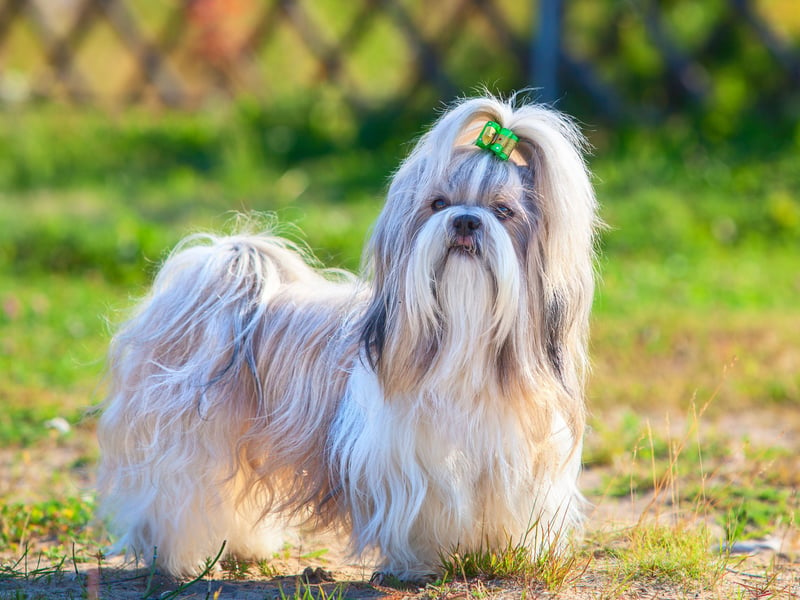
25. Shih Tzu
The hugely affectionate Shih Tzus was bred as a companion dog, not for any specific task - a classic lapdog. They’re known for ignoring commands they don’t feel like following (all of them). They requiring lots of repetition and patience if you want them to do anything other than curl on top of you on the couch (which they'll happily do without any training at all). | Canva/Getty Images
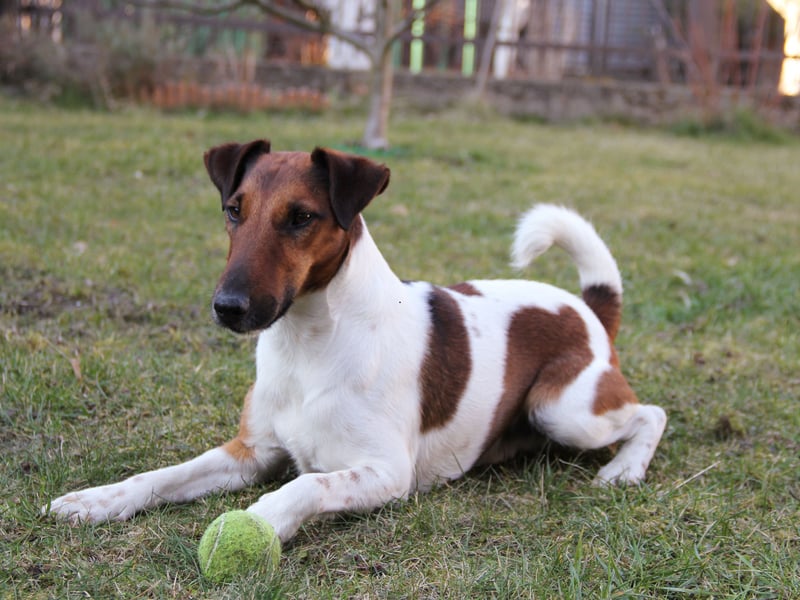
26. Fox Terrier
These feisty terriers are alert and independent, often ignoring commands when something more interesting catches their attention. Their energy and tenacity require firm, consistent training methods - otherwise they'll just run rings around their owner (and the park, the garden, the living room...) | Canva/Getty Images