
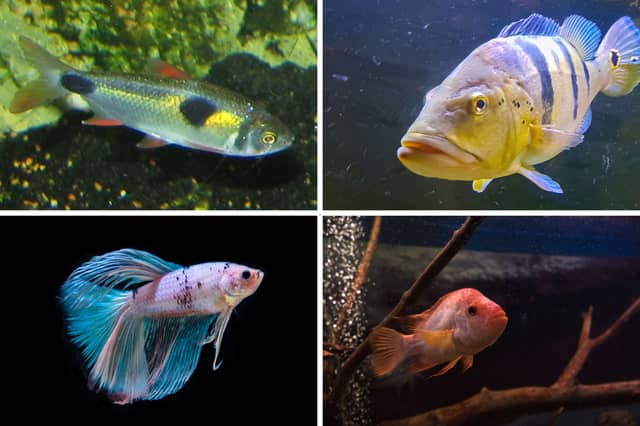

From garden ponds filled with Koi Carp to the humble goldfish bowl (although goldfish really need more space to be happy and healthy) – the UK is a nation of fish lovers.
According to the Pet Food Manufacturers’ Association there are an incredible five million indoor fish tanks in Britain - that makes them the third most popular animal to welcome into our homes after cats and dogs.
There’s plenty of choice when it comes to adding fish to (well prepared and correctly set up) home aquariums, with pet shops offering a bewildering range of colourful and interesting finned friends.
But you should be aware that while some fish are placid and happy to live in a ‘community tank’ with a mixture of other species, others are predators that can cause serious issues for other fish.
They can still make great - and fascinating pets - but just need their own space away from potential prey.
Here are 13 of the most aggressive to watch out for.
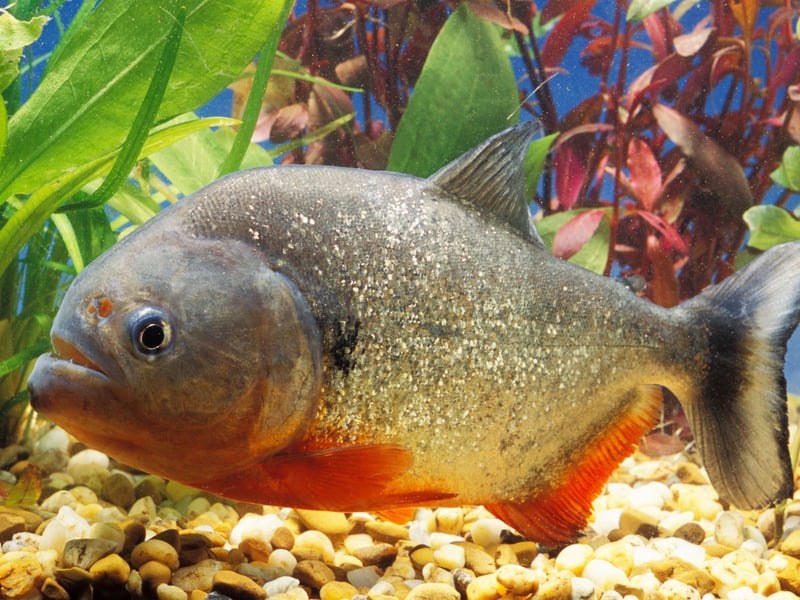
1. Pirahana
In news that will surprise nobody, the notorious Piranha isn't the sort of fish that mixes well with others. There are a number of different species which grow to different sizes, but all of them have razor-sharp teeth meaning you should also be careful where you put your fingers. | Canva/Getty Images
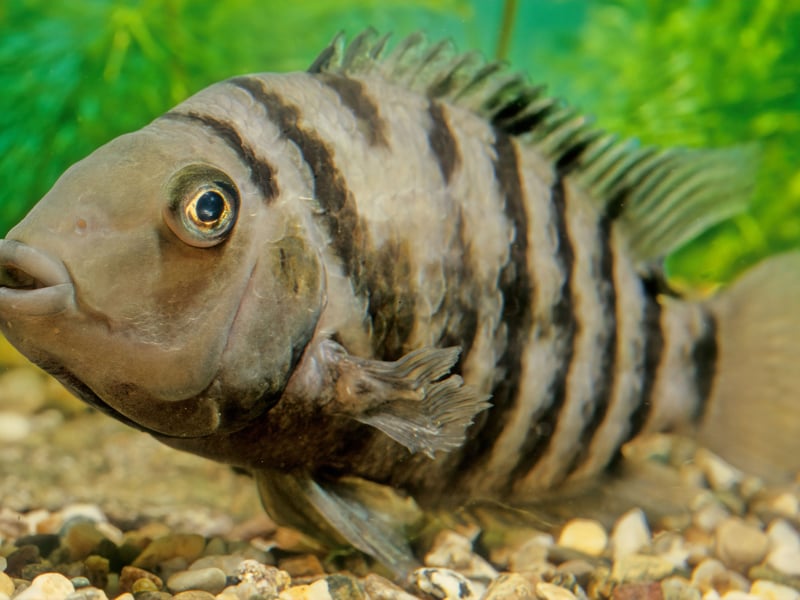
2. Convict Cichlid
Despite their (relatively) small size, Convict Cichlids are fierce fighters wheo become super-aggressive during breeding - often attacking much larger fish. Their relentless territorial defense mechanism makes them unsuitable for peaceful community tanks. | Canva/Getty Images
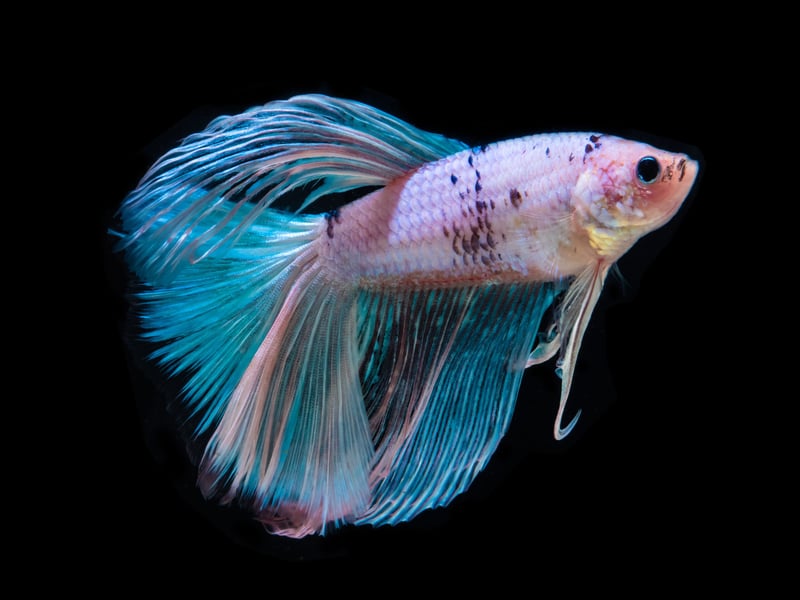
3. Betta Fish
Like humans, the majority of aggression in beautiful Betta Fish is confined to the males - giving them their alternative name of Siamese Fighting Fish. Males can become aggressive even if they are able to see a competing Betta Fish in another tank. | Canva/Getty Images
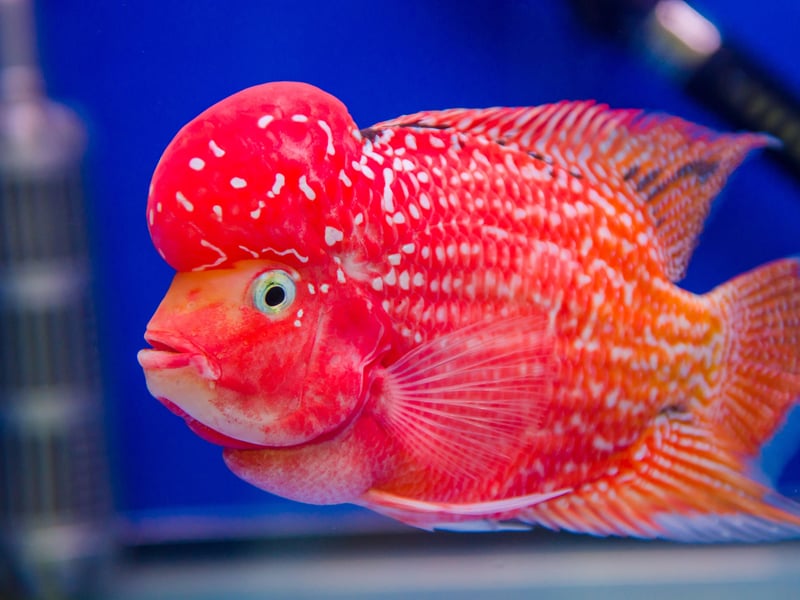
4. Flowerhorn Cichlid
Originally from Southeast Asia, the Flowerhorn Cichlid is a stunning fish but its aggressive and territorial nature means they aren't suitable for community tanks. These are fish best kept on their own or with perhaps one other similarly-sized fish of the same species. Luckily they are so beautiful you might not want any other fish. | Canva/Getty Images