
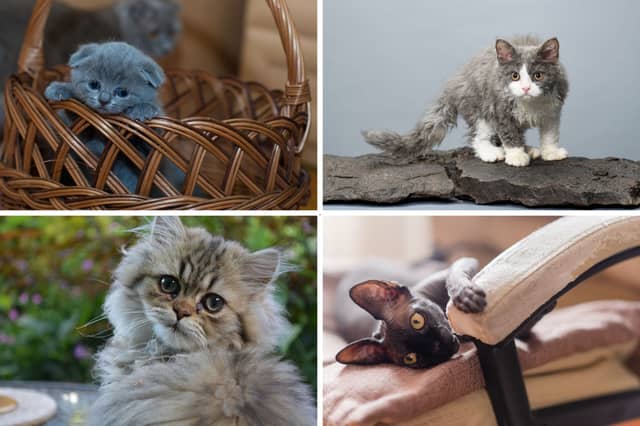

We’re a nation of cat lovers - with more than 10 million feline friends belonging to households across the UK.
It means they are the second most popular household pet after dogs, with a whole range of different breeds to choose from.
According to The International Cat Association there are 73 ‘standardised breeds’, along with a bewildering number of crosses.
There are also many pets available for adoption from one of the many cat rescue and rehoming centres across the UK.
One thing to consider when choosing a specific breed is whether any of your household suffer from allergies - as cat hair and the protein ‘fel s 1’ that felines secrete can cause sniffles and sneezes.
While no cat breed is 100 per cent hypoallergenic, these are the 13 likely to cause minimal issues.
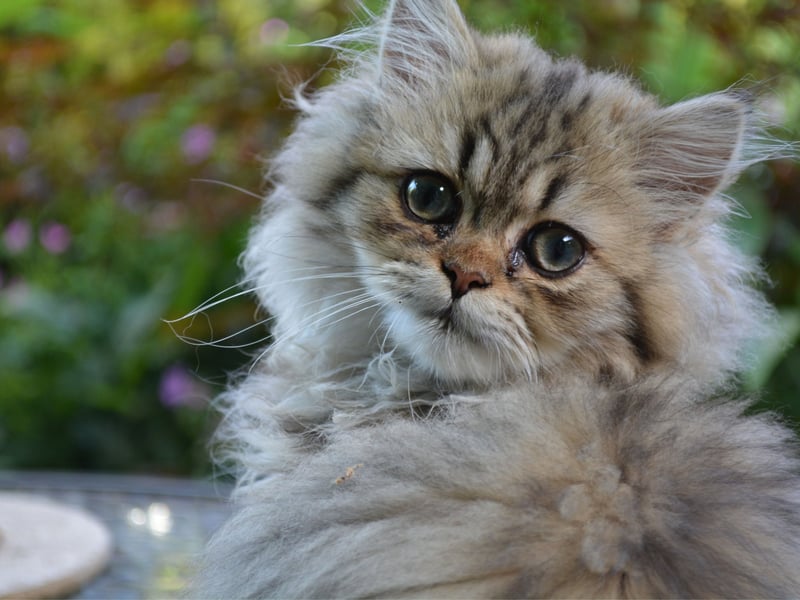
9. Siamese
The king of the flat-faced cats, the Siamese suffers the predisposition to a variety of health issues - the general rule being the flatter the face, the more serious the risk of illness. They have short, low-shedding coats and require little in the way of grooming. | Canva/Getty Images
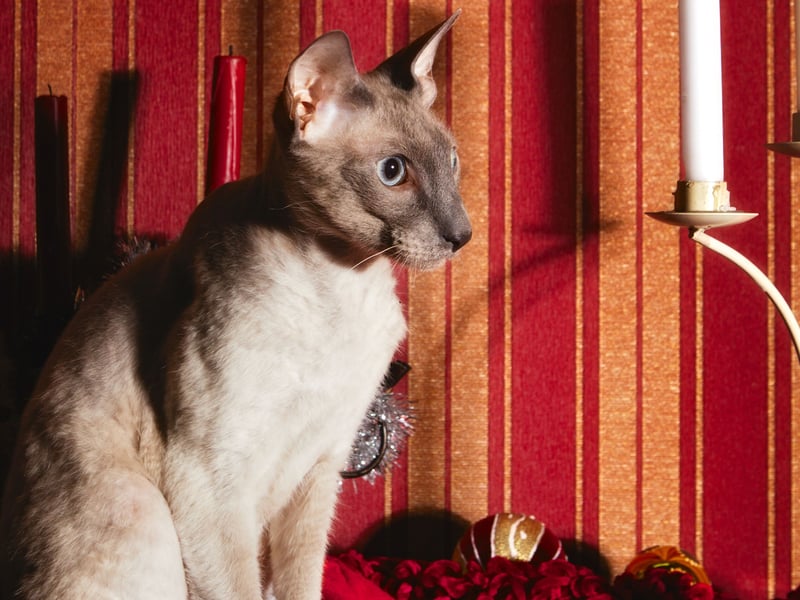
10. Peterbald
The Peterbald is a breed that is often hairless - or at the most has a very fine coat - making them an excellent option for those with allergies. Originally from Russia, they are known for their affectionate, dog-like nature and enjoy being around people and other pets. In common with other hairless breeds they can be prone to skin problems, sunburn and have reduced insulation. | Canva/Getty Images
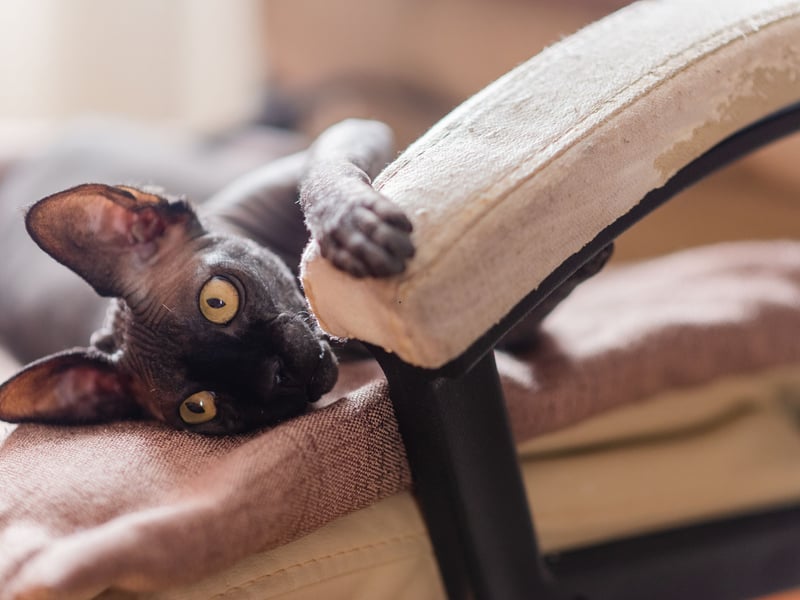
11. Sphynx
If it's hair that's the problem, then the Sphynx is a good choice because it doesn't have any. Despite their lack of hair, these cats require regular bathing to remove skin oils but produce minimal allergens. They suffer from the same health problems as the Peterbald, only more so. | Canva/Getty Images
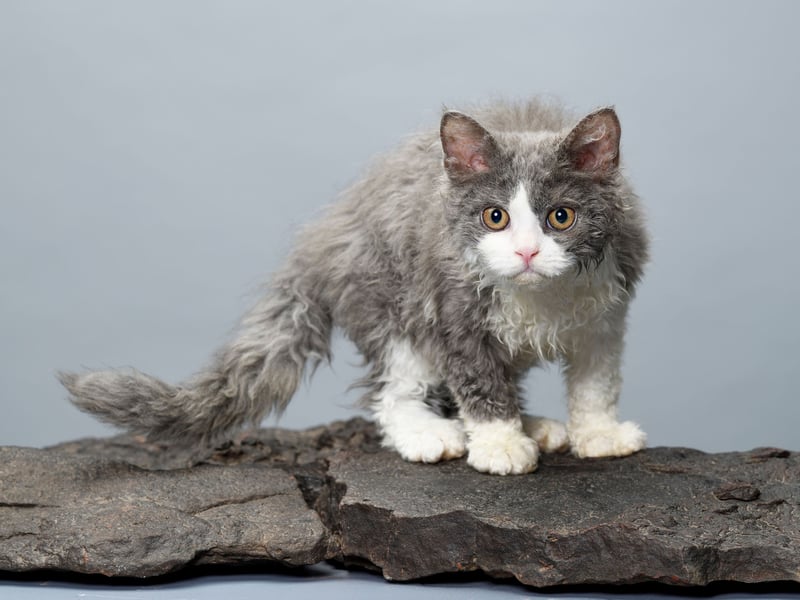
12. Selkirk Rex
With their adorably curly coat, Selkirk Rex cats shed less and produce less dander than other breeds. They are relaxed, affectionate, and enjoy human interaction. While the name may suggest they come from the Scottish town of Selkirk, they were actually first bred in the American state of Montana. They were named after the first breeders stepfather, who was called Selkirk. | Canva/Getty Images