


We’re a nation of dog lovers, with around one-in-three households including at least one four-legged friend.
By far the most popular pet in the UK, they make for wonderful companions, all the while improving both our mental and physical health - and that’s a scientific fact.
The army of dog owners continues to grow, with 221 different breeds of pedigree dog to choose from, alongside numerous crossbreeds.
Choosing the right breed is absolutely essential – for example opting for a small dog if you don’t have much room at home, or a hypoallergenic dog if you suffer from allergies.
There’s also always the option of adopting a dog from a dog shelter for a minimal fee - for example from the Dogs Trust.
There’s even academic guidance to seek out, with Psychologist Stanley Coren’s book ‘The Intelligence of Dogs’ ranking breeds by instincts, obedience, and the ability to adapt.
Meanwhile, certain breeds have particular attributes or temperaments which mean that they are more or less suitable for households with small children.
Here are the 26 best and worst breeds of dog for owners with young families,
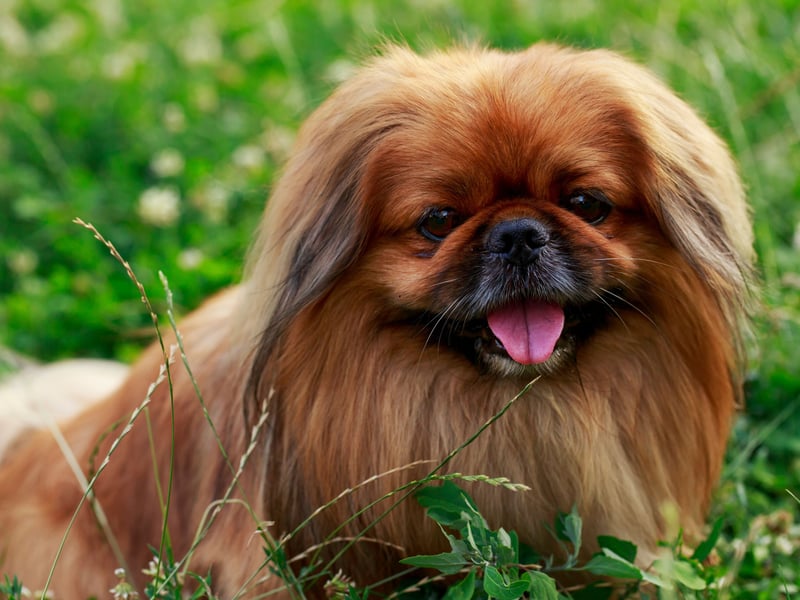
17. Pekingese
Another small dog that makes up for its tiny size by yapping and nipping, the Pekingese will not respond well to children interfering with its toys or manhandling them. | Canva/Getty Images
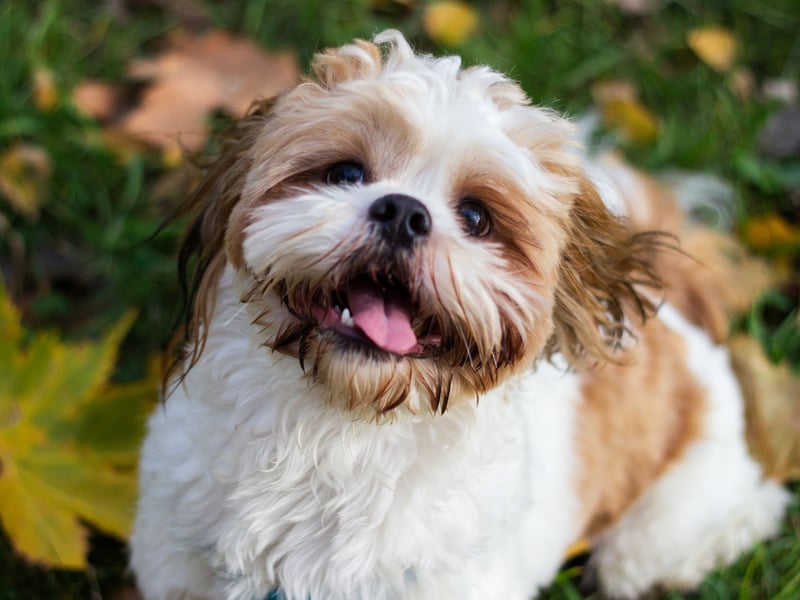
18. Shih Tzu
The Shih Tzu is a delicate breed that requires fairly gentle handling. They also tend to get under your feet, meaning that a slightly careless child can easily cause an accidental injury. | Canva/Getty Images
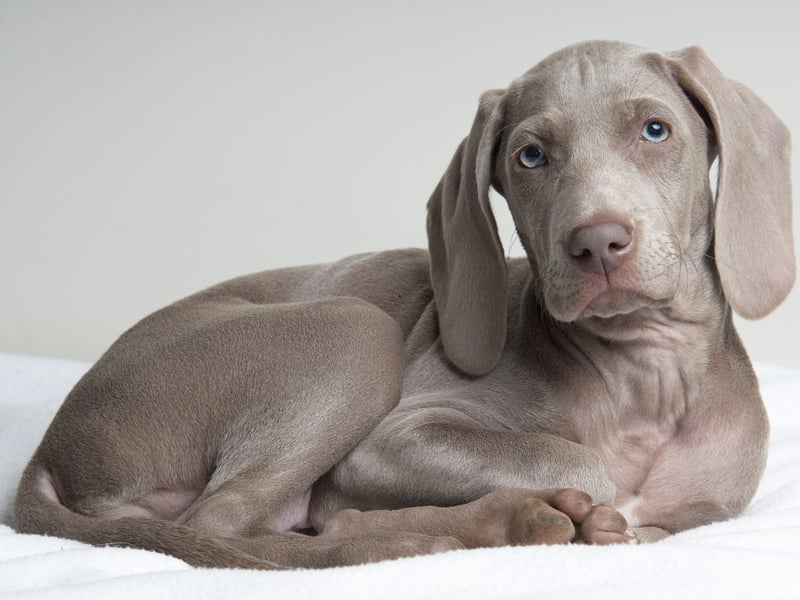
19. Weimaraner
A large and beautiful dog bred to hunt big game, the Weimaraner sometimes doesn't know its own strength and can enjoy playing rough with its human family. This is no problem when it comes to adults, but can be a problem with youngsters. | Canva/Getty Images
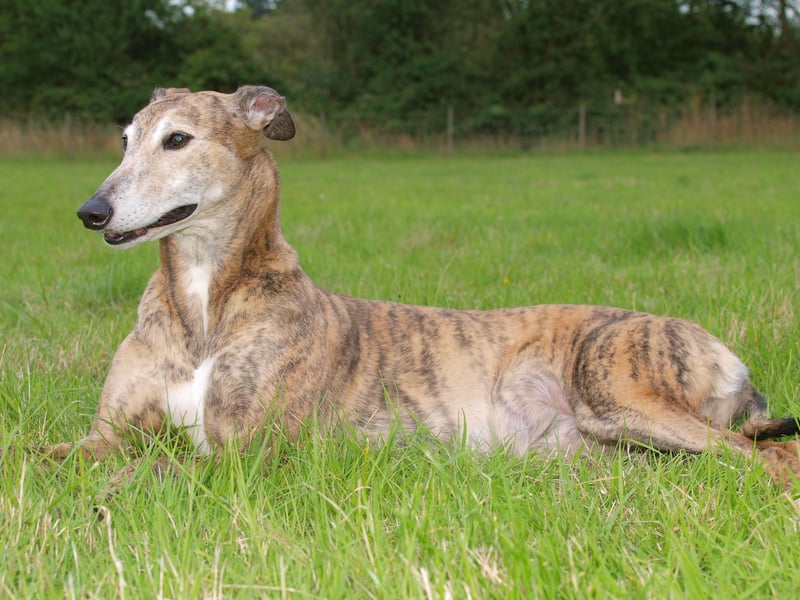
20. Greyhound
Greyhounds are a breed that like plenty of peace and quiet. The constant noise and activity of children can cause them to become anxious. | Canva/Getty Images