

Dogs come in all shapes and sizes - the UK Kennel Club recognises 221 different pedigree dogs, from Affenpinscher to Yorkshire Terrier (there are sadly no dog breeds starting with the letter ‘z’!).
Then there are all manner of crossbreeds, from so-called ‘designer dogs’ to lovable mongrels.
Each has its own list of positive and negative attributes, and it’s important to take plenty of time to think about what breed will fit into your lifestyle the best - for instance a smaller dog if you live in a flat, or a hypoallergenic dog if the mere mention of dog hair makes you think about sneezing.
There is even scientific research to guide you, in particular psychologist Stanley Coren’s groundbreaking book The Intelligence of Dogs.
Another thing to take into consideration is that some breeds are prone to particular health issues.
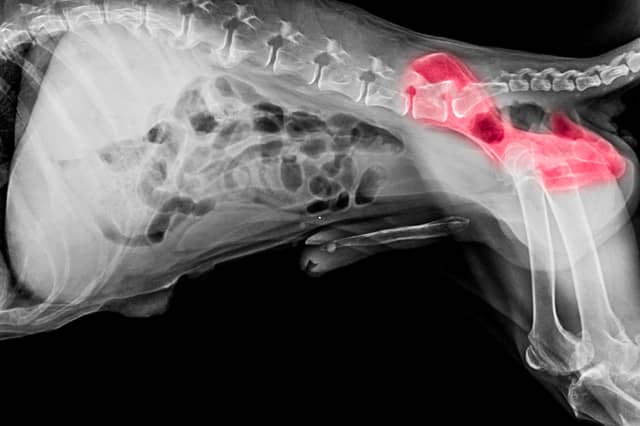
One common canine disorder is hip dysplasia – when the dog’s hip ball and socket joint doesn’t fit or develop properly, causing it to rub and grind instead of sliding smoothly.
The condition results in the deterioration of the hip over time, causing pain and drastically reduce a dog’s quality of life.
Here are 12 of the breeds of dog most prone to developing hip dysplasia.
Make sure you don't miss a moment of breaking news from across Scotland by signing up to our free newsletter here.
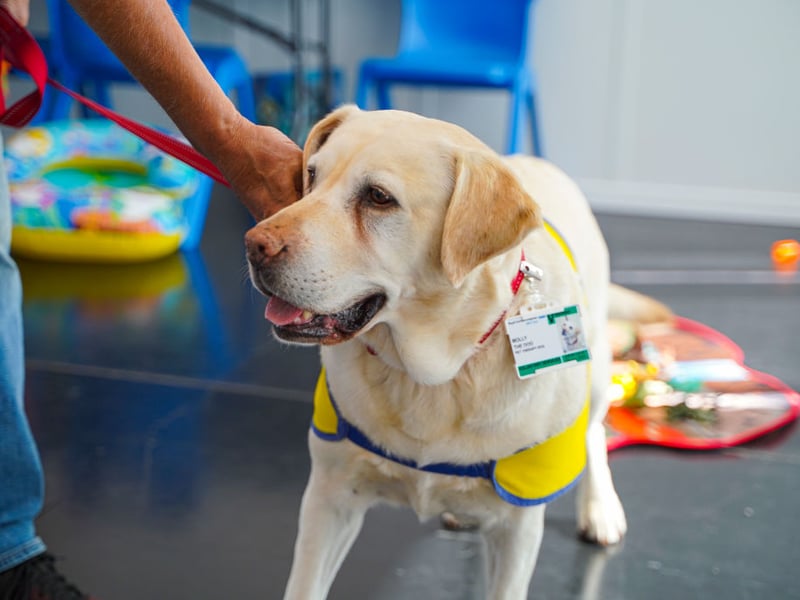
1. Labrador Retriever
A combination of a large frame, genetic predisposition and weight distribution mean that lovable Labrador Retrievers commonly develop hip dysplasia. Symptoms of the condition include walking with a limp, lack of interest in exercise, reluctance to climb stairs, and a clicking sound when walking. It's not stopped them being the UK's - and the world's - favourite breed of dog. | Getty Images

2. Golden Retriever
What is true of the Labrador Retriever tends to also be the case for their close counsin the Golden Retriever. This includes the Lab's many positive attributes, but also the tendency to have hip problems. Some dogs show signs of the issue as early as just a few months old, while others show no problems until they are much older. | AFP via Getty Images
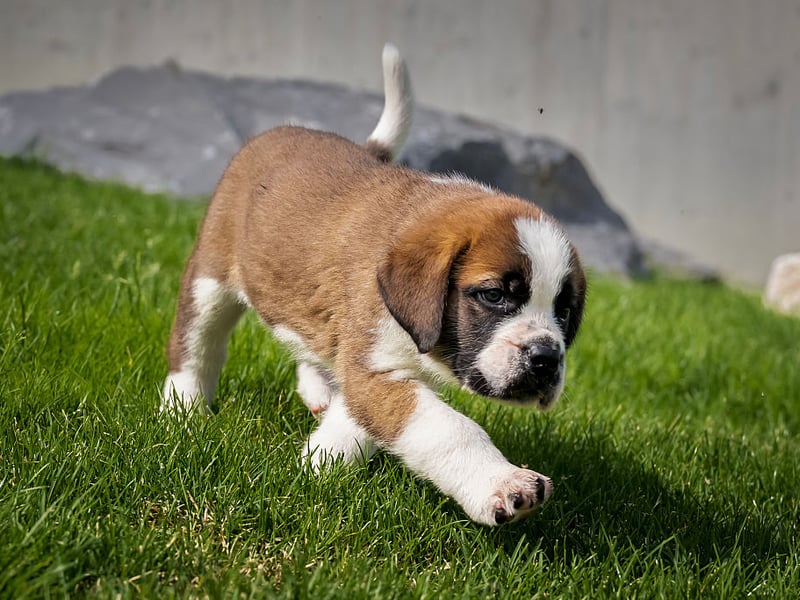
3. Saint Bernard
The Saint Bernard is prone to a range of joint degenerative disorders due to its huge size - being that heavy is guaranteed to put strain on the doggy joints. Keeping a dog at a healthy weight is one of the best ways to minimise the risk of developing such issues. | AFP via Getty Images
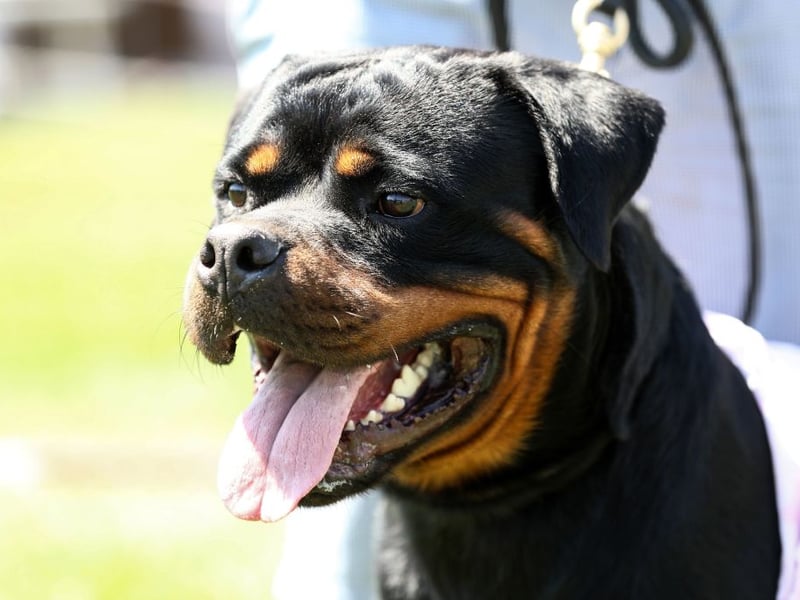
4. Rottweiler
Rottweilers are another breed of large dog that commonly suffer from hip dysplasia. Another early indication of the condition is if your pet is leaning in one direction while walking, in an attempt to protect the troublesome hip. | AFP via Getty Images